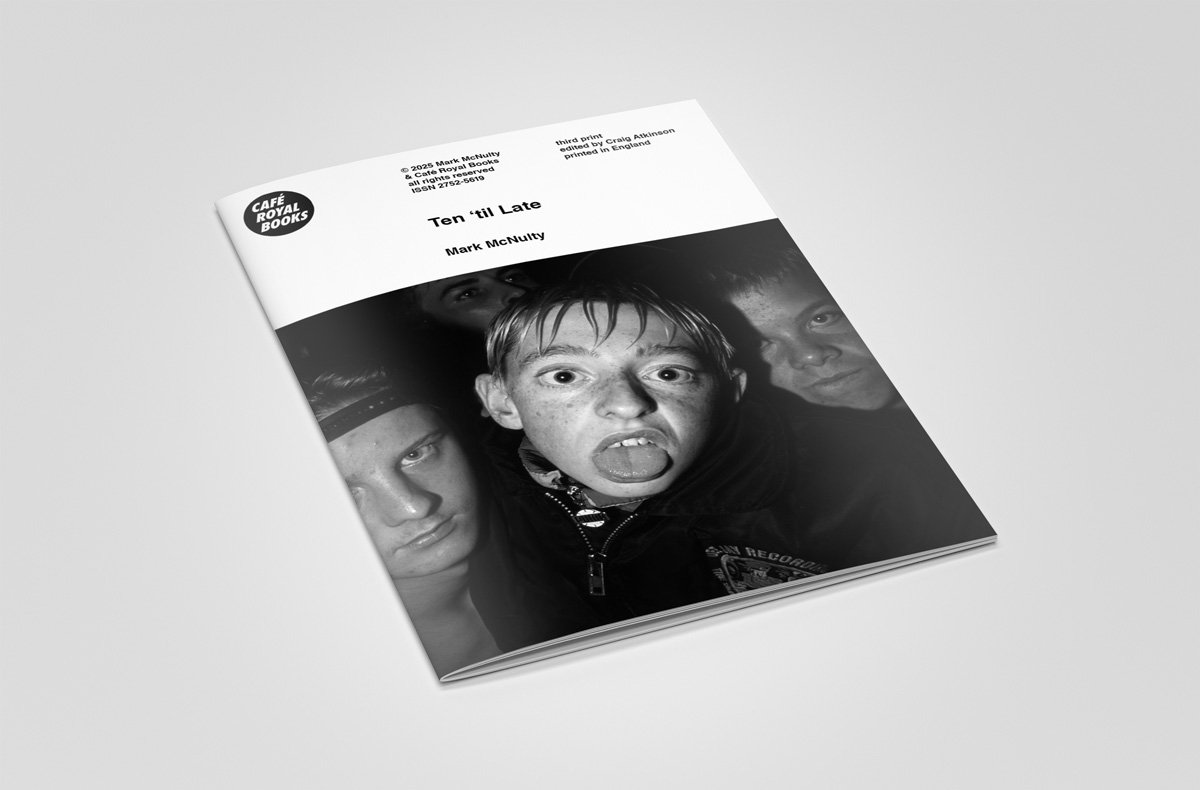
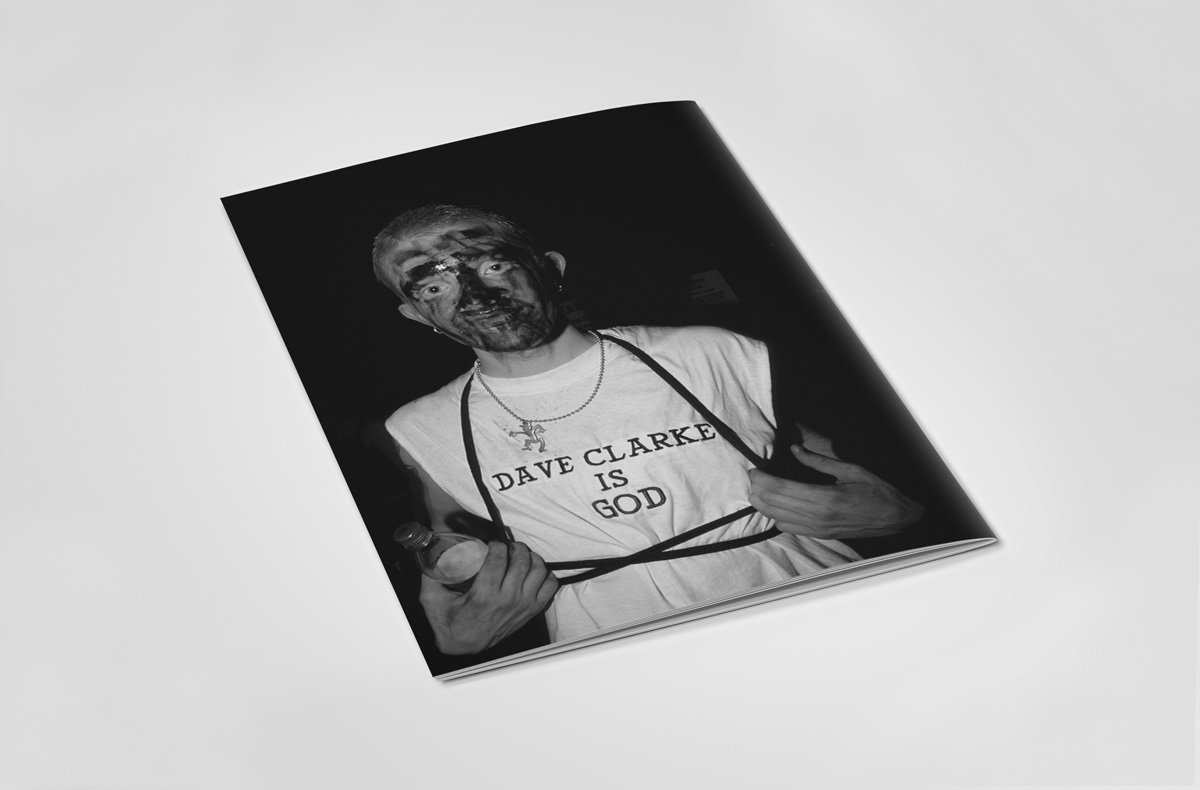
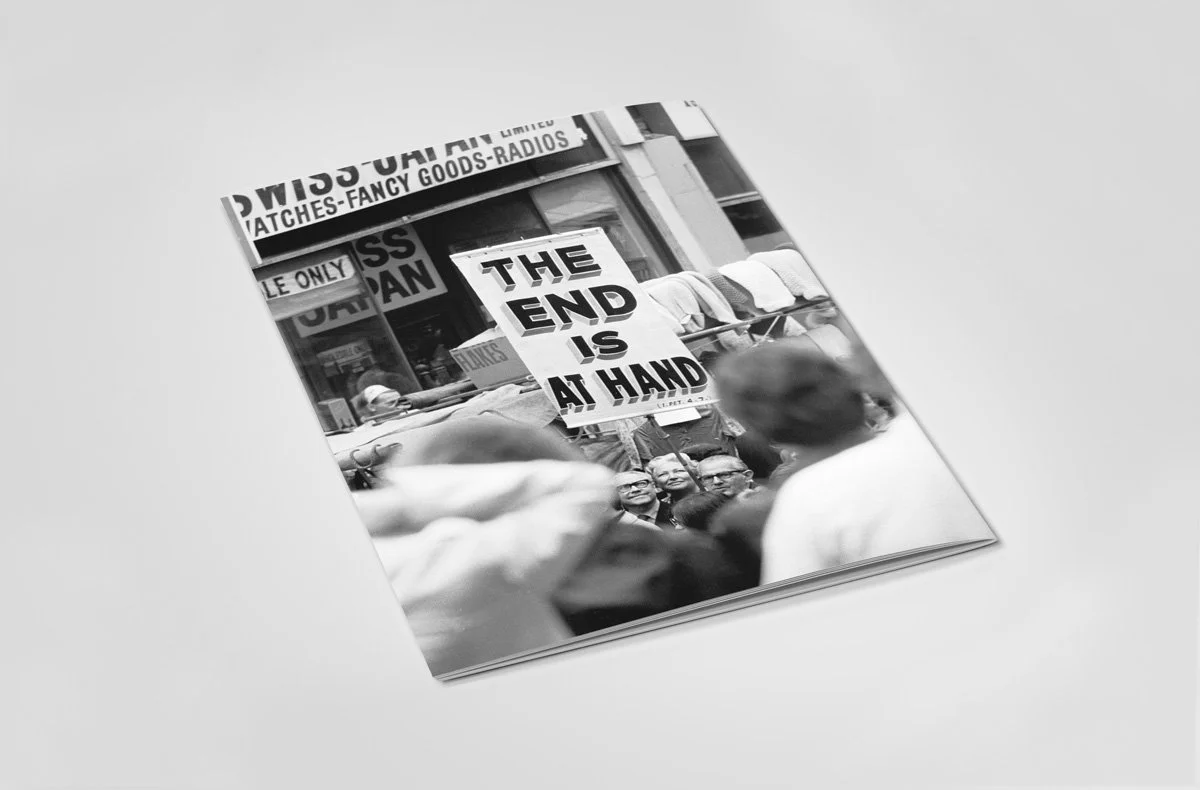
36 pages
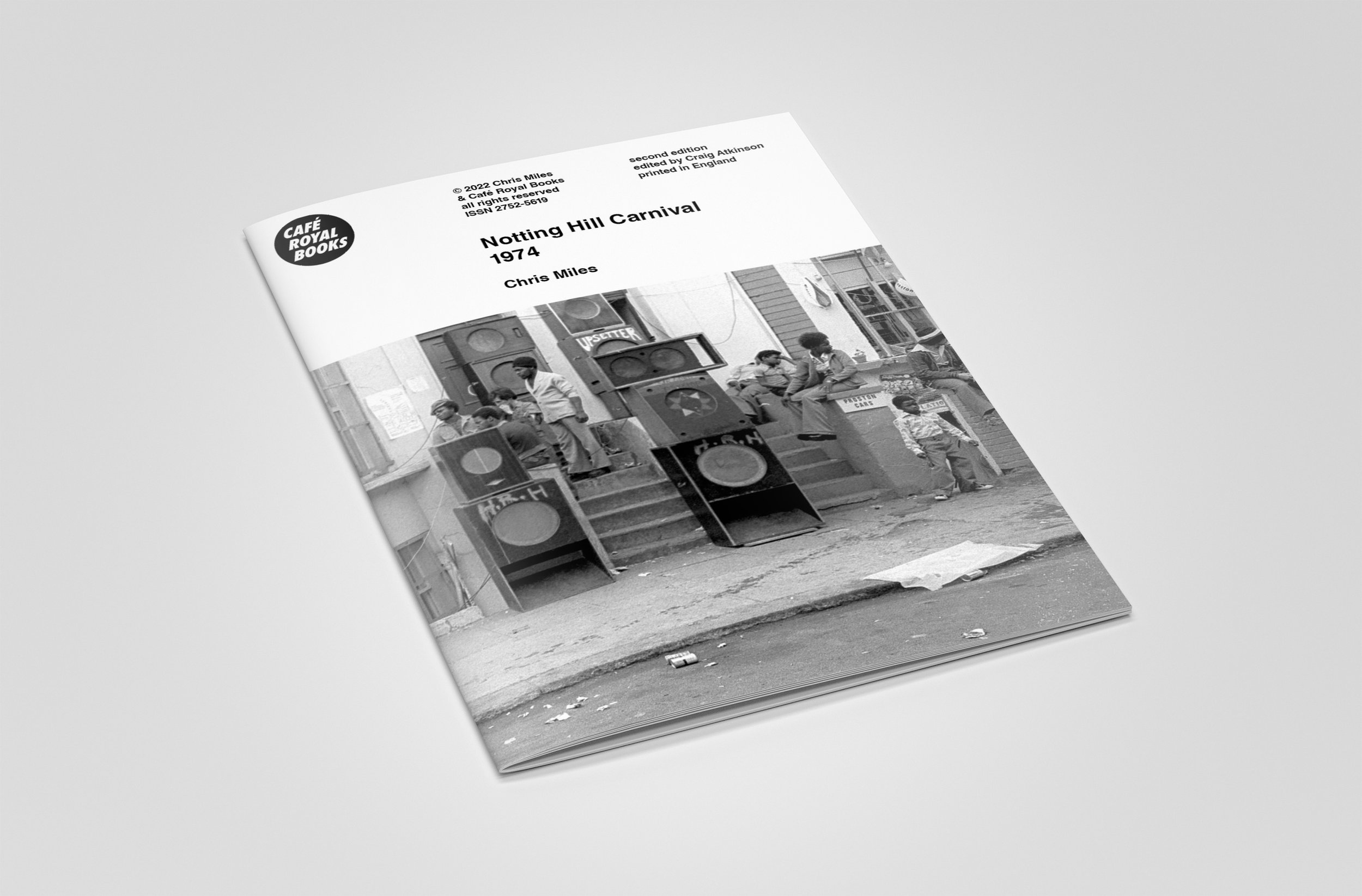
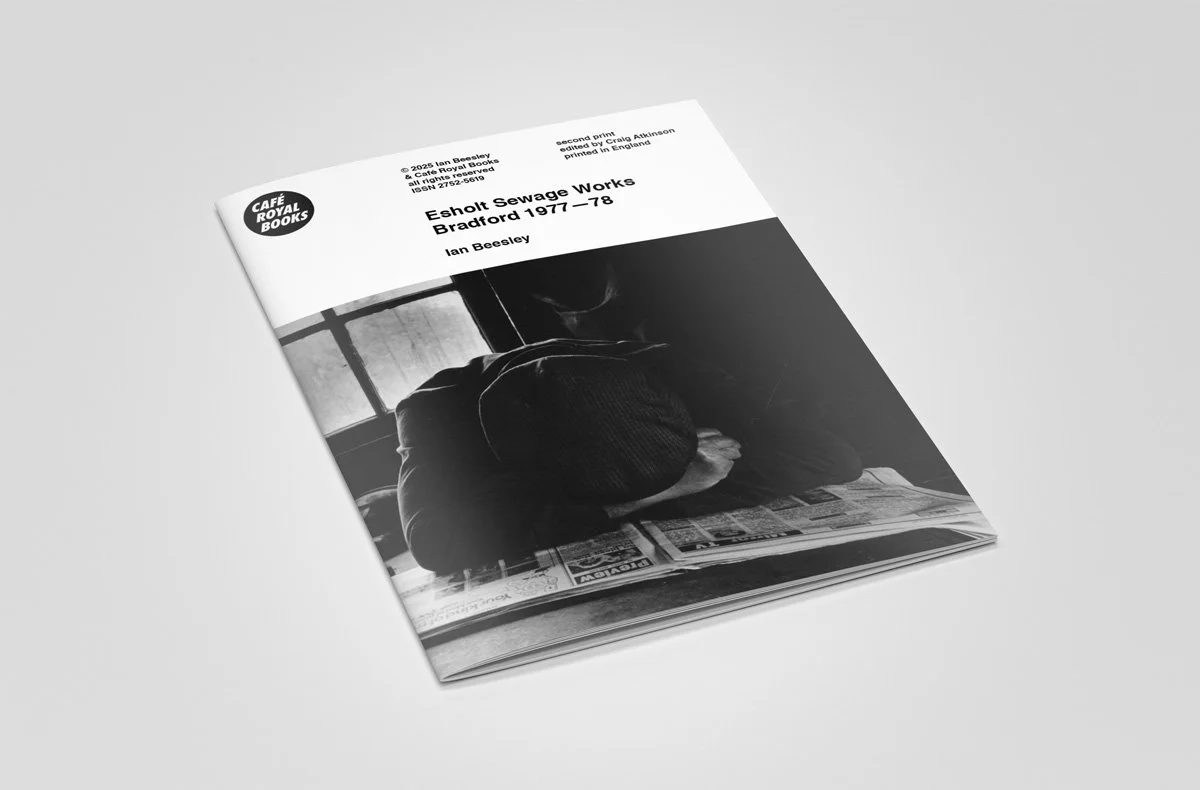
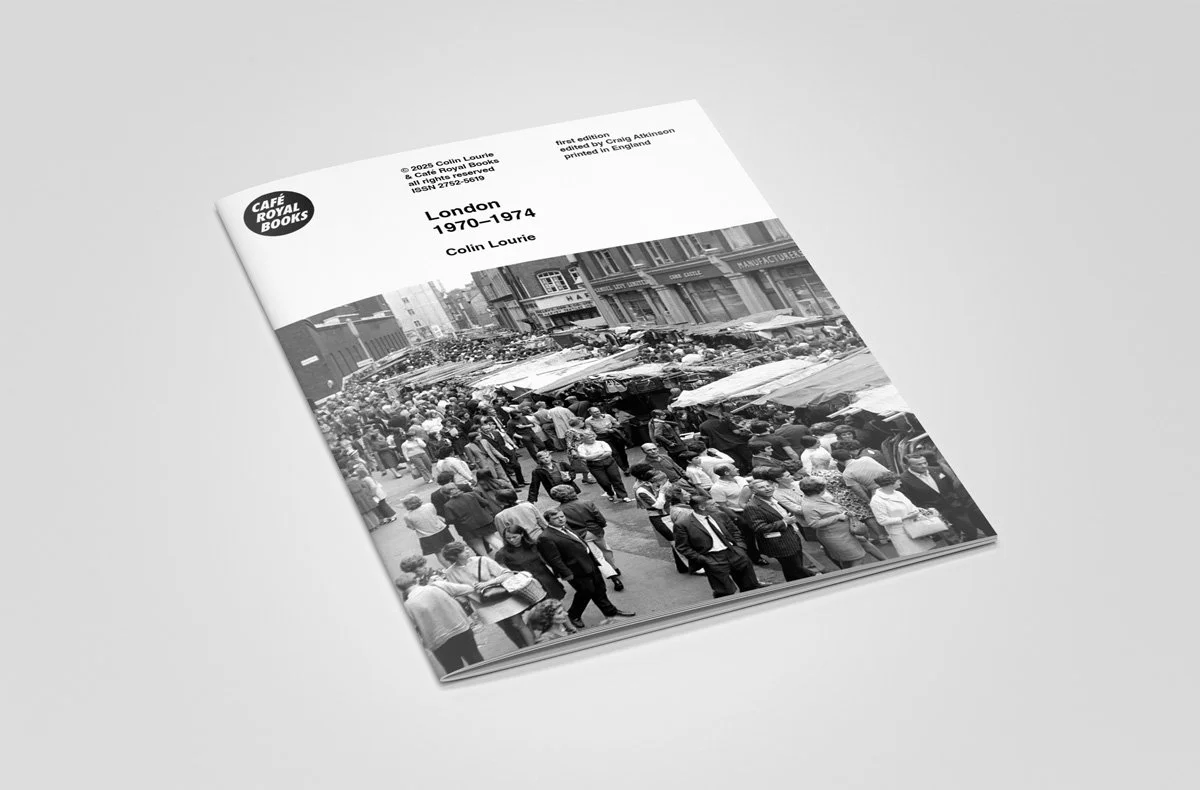
printed in England
staple bound
14cm x 20cm
Dorothy Bohm’s links with Sussex go back to her very earliest days in this country, when in June 1939 and on the cusp of turning fifteen, she followed in the footsteps of her older brother in being sent to the safety of England by her Lithuanian-Jewish parents. By then, her brother was studying at Brighton College and it was decided that she should attend a small school called North End House in the nearby, picture book pretty and quintessentially English village of Ditchling. Cut off from her parents and baby sister, and deeply uncertain — especially once war was declared in September — as to whether she would see them again (this would, in the end, have to wait for over two decades), Dorothy did her best to adapt to her new life in rural England.
Against all the odds, she managed to matriculate from school in just one year, and by late 1940 was enrolled on a photography course at Manchester College of Technology. She would soon set up her own successful portrait studio in that city, and in the immediate post-war years, discover the excitement of working outside the studio, at first mainly in Europe, marking the start of her career as a major British proponent of so-called “street” photography.
Fast forward to the mid-1960s, marriage to fellow refugee Louis Bohm and two children later, when her husband’s decision to buy a working farm at Coneyhurst, near Billingshurst in West Sussex meant that for the next twenty years and more the family would escape from London life almost every weekend. Armed with her Rolleiflex camera and a wryly affectionate outsider’s eye, Dorothy proceeded to capture both the low-key but lyrical beauty of the Sussex countryside and moments in the lives of local people, at work and more often at leisure.
In 2018, a selection of these black and white images was exhibited at Pallant House Gallery, Chichester, under the title “Sussex Days.” This, however, is the first time that any have them have been gathered together in a book. Although this engaging and often amusing body of work remains quite distinct within Dorothy’s larger output, it shares with all her photographs an unerring ability to distil the spirit of a time and place in an aesthetically sophisticated fashion.
Monica Bohm-Duchen
36 pages
printed in England
staple bound
14cm x 20cm
Dorothy Bohm’s links with Sussex go back to her very earliest days in this country, when in June 1939 and on the cusp of turning fifteen, she followed in the footsteps of her older brother in being sent to the safety of England by her Lithuanian-Jewish parents. By then, her brother was studying at Brighton College and it was decided that she should attend a small school called North End House in the nearby, picture book pretty and quintessentially English village of Ditchling. Cut off from her parents and baby sister, and deeply uncertain — especially once war was declared in September — as to whether she would see them again (this would, in the end, have to wait for over two decades), Dorothy did her best to adapt to her new life in rural England.
Against all the odds, she managed to matriculate from school in just one year, and by late 1940 was enrolled on a photography course at Manchester College of Technology. She would soon set up her own successful portrait studio in that city, and in the immediate post-war years, discover the excitement of working outside the studio, at first mainly in Europe, marking the start of her career as a major British proponent of so-called “street” photography.
Fast forward to the mid-1960s, marriage to fellow refugee Louis Bohm and two children later, when her husband’s decision to buy a working farm at Coneyhurst, near Billingshurst in West Sussex meant that for the next twenty years and more the family would escape from London life almost every weekend. Armed with her Rolleiflex camera and a wryly affectionate outsider’s eye, Dorothy proceeded to capture both the low-key but lyrical beauty of the Sussex countryside and moments in the lives of local people, at work and more often at leisure.
In 2018, a selection of these black and white images was exhibited at Pallant House Gallery, Chichester, under the title “Sussex Days.” This, however, is the first time that any have them have been gathered together in a book. Although this engaging and often amusing body of work remains quite distinct within Dorothy’s larger output, it shares with all her photographs an unerring ability to distil the spirit of a time and place in an aesthetically sophisticated fashion.
Monica Bohm-Duchen


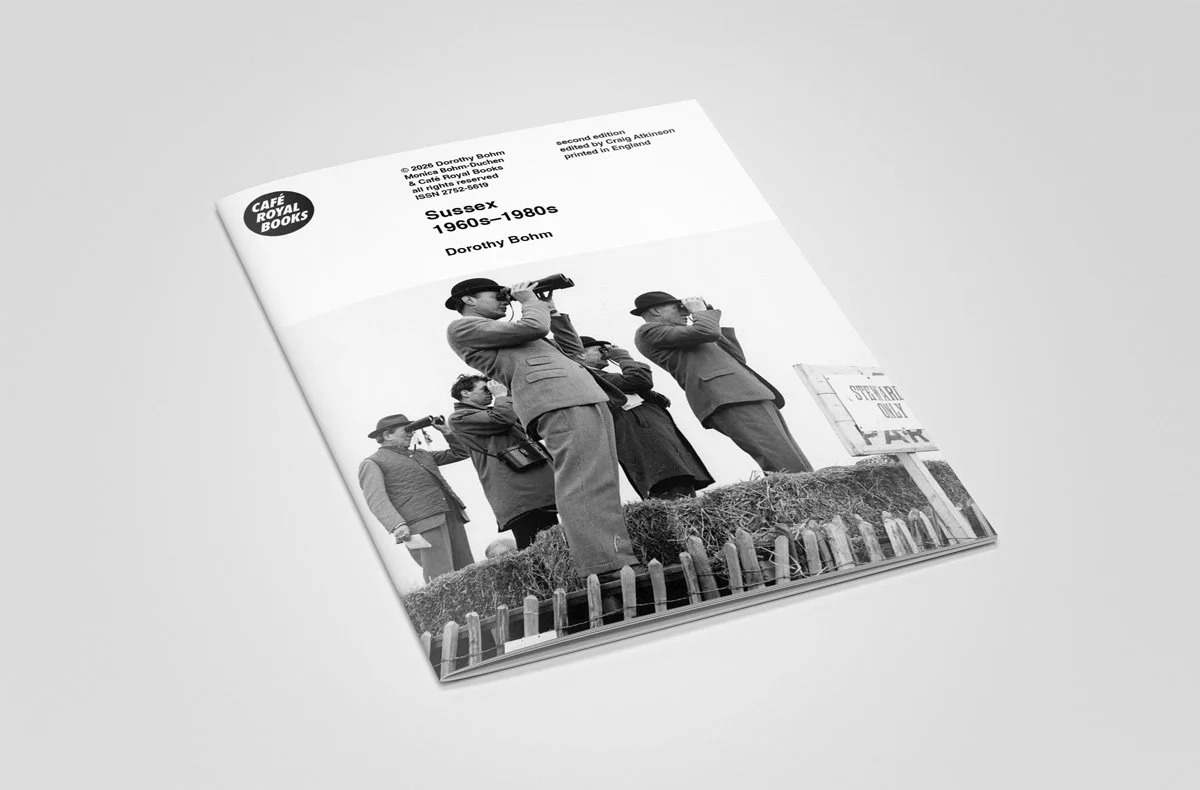 Image 1 of 19
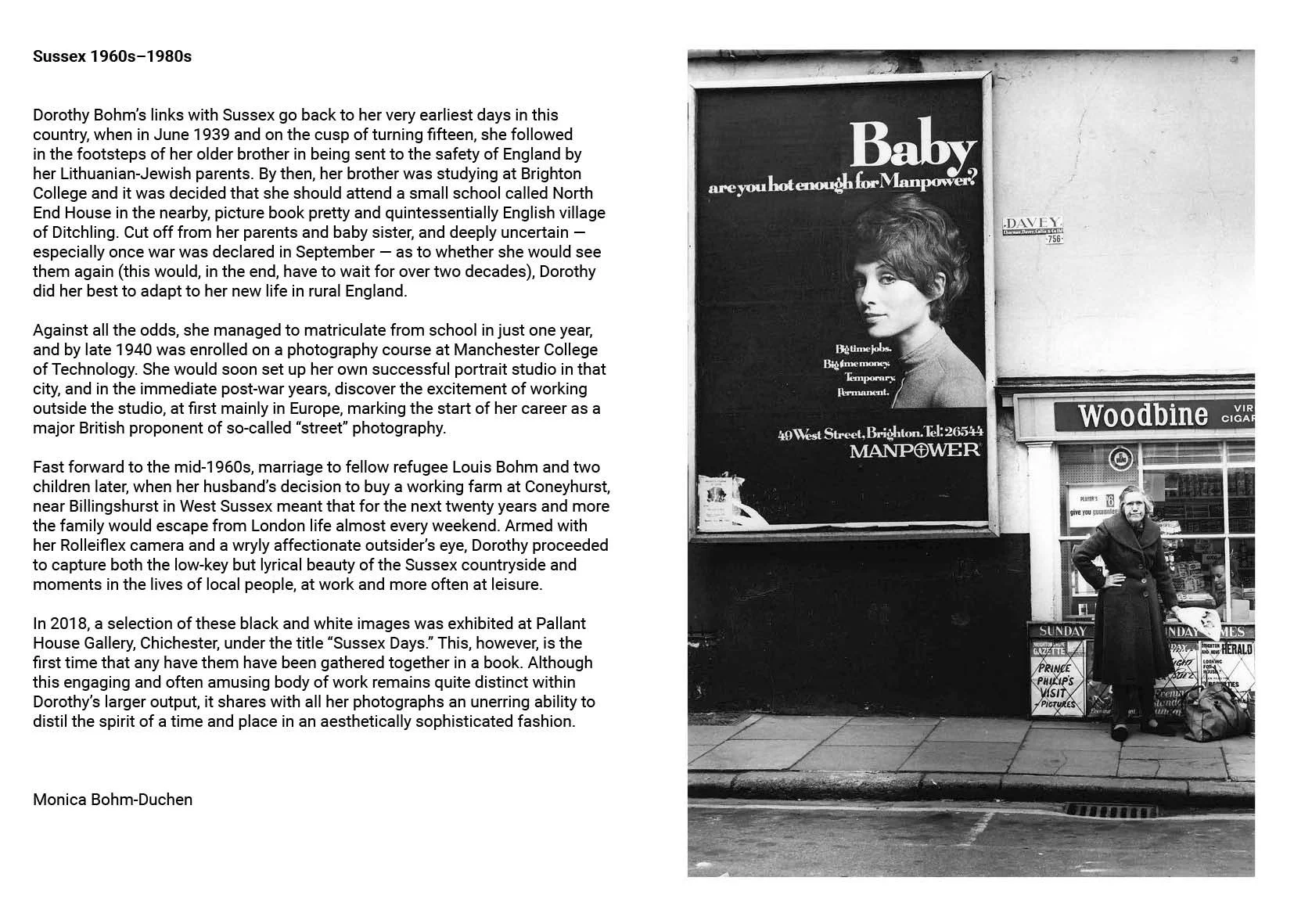 Image 2 of 19
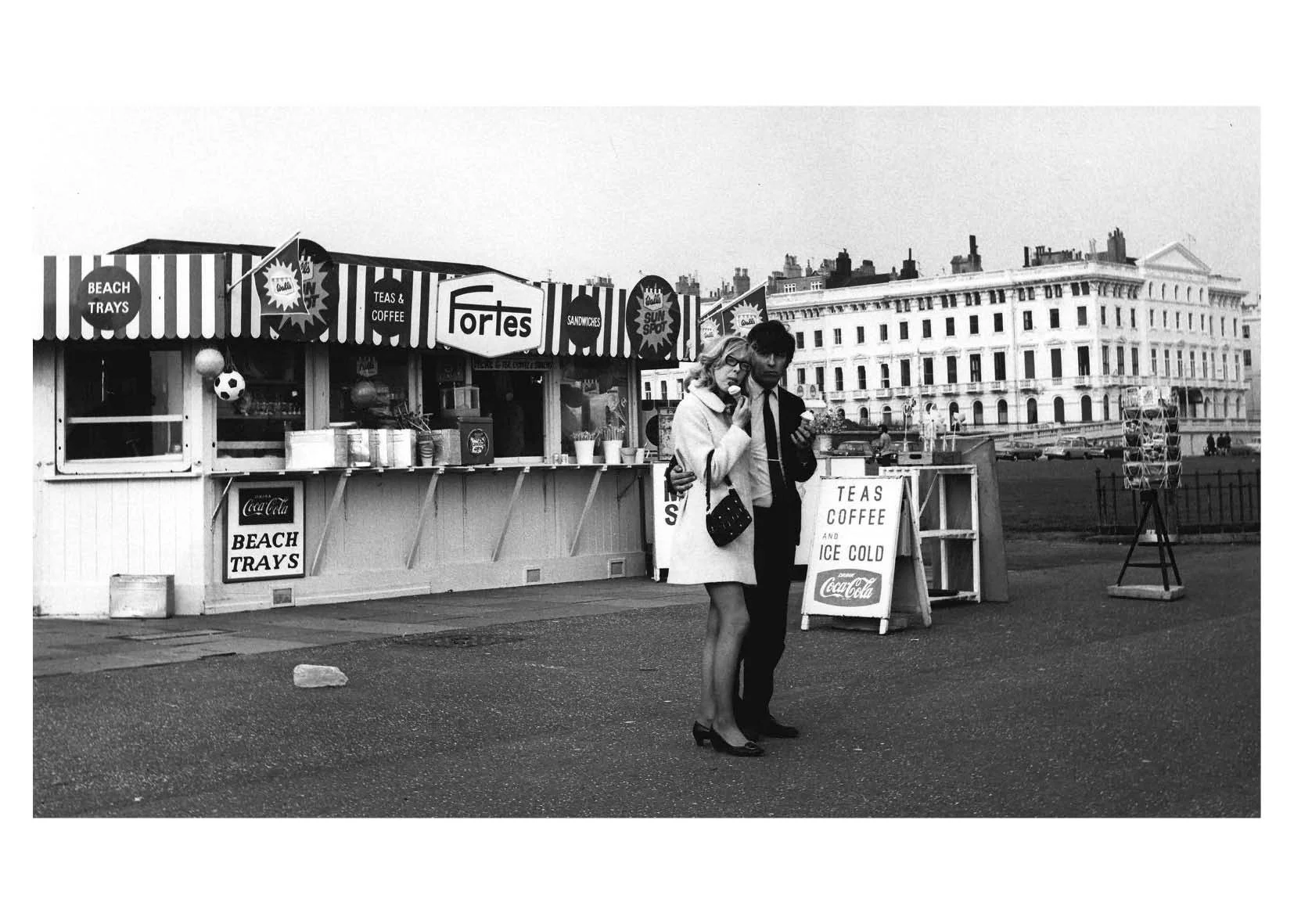 Image 3 of 19
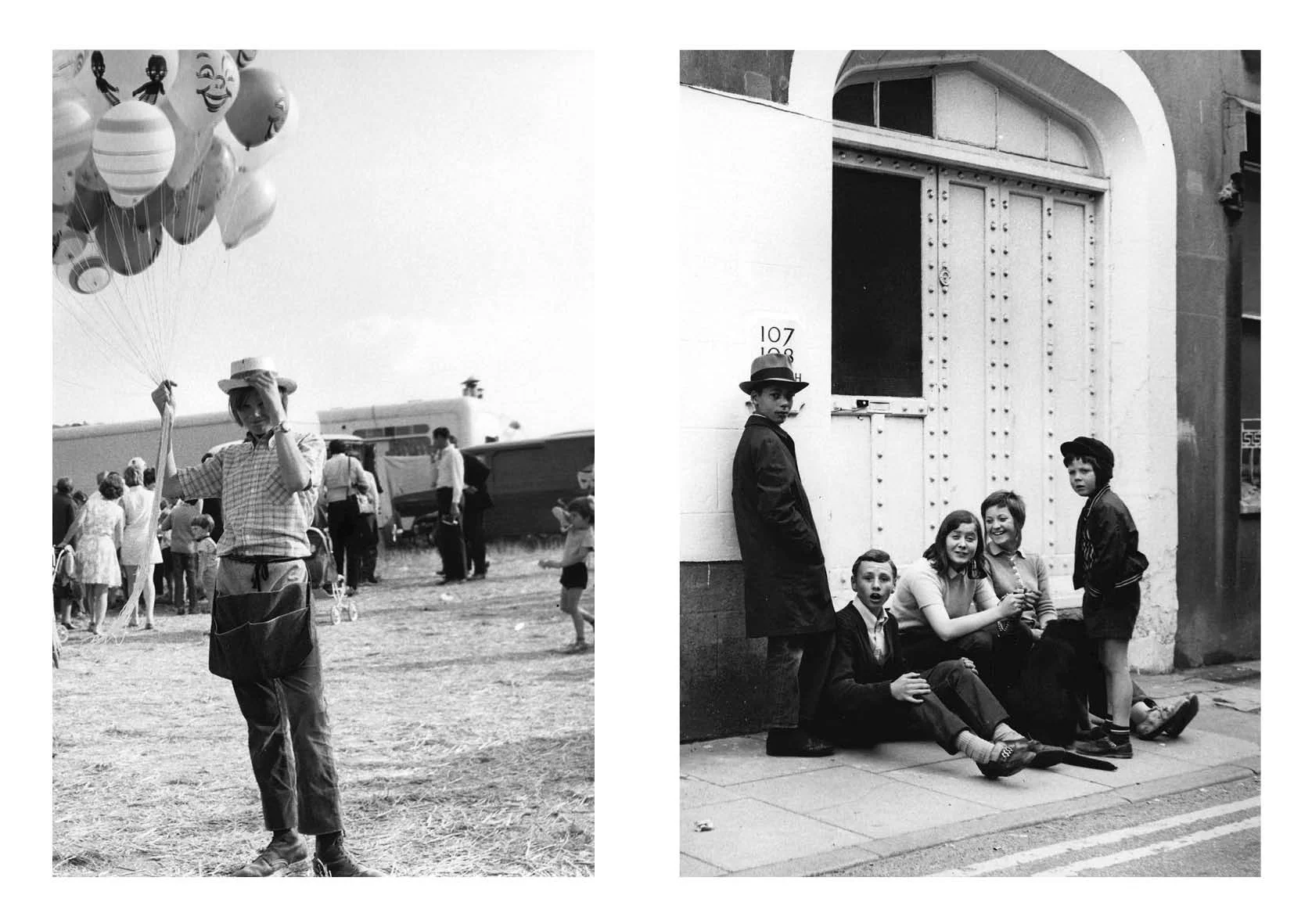 Image 4 of 19
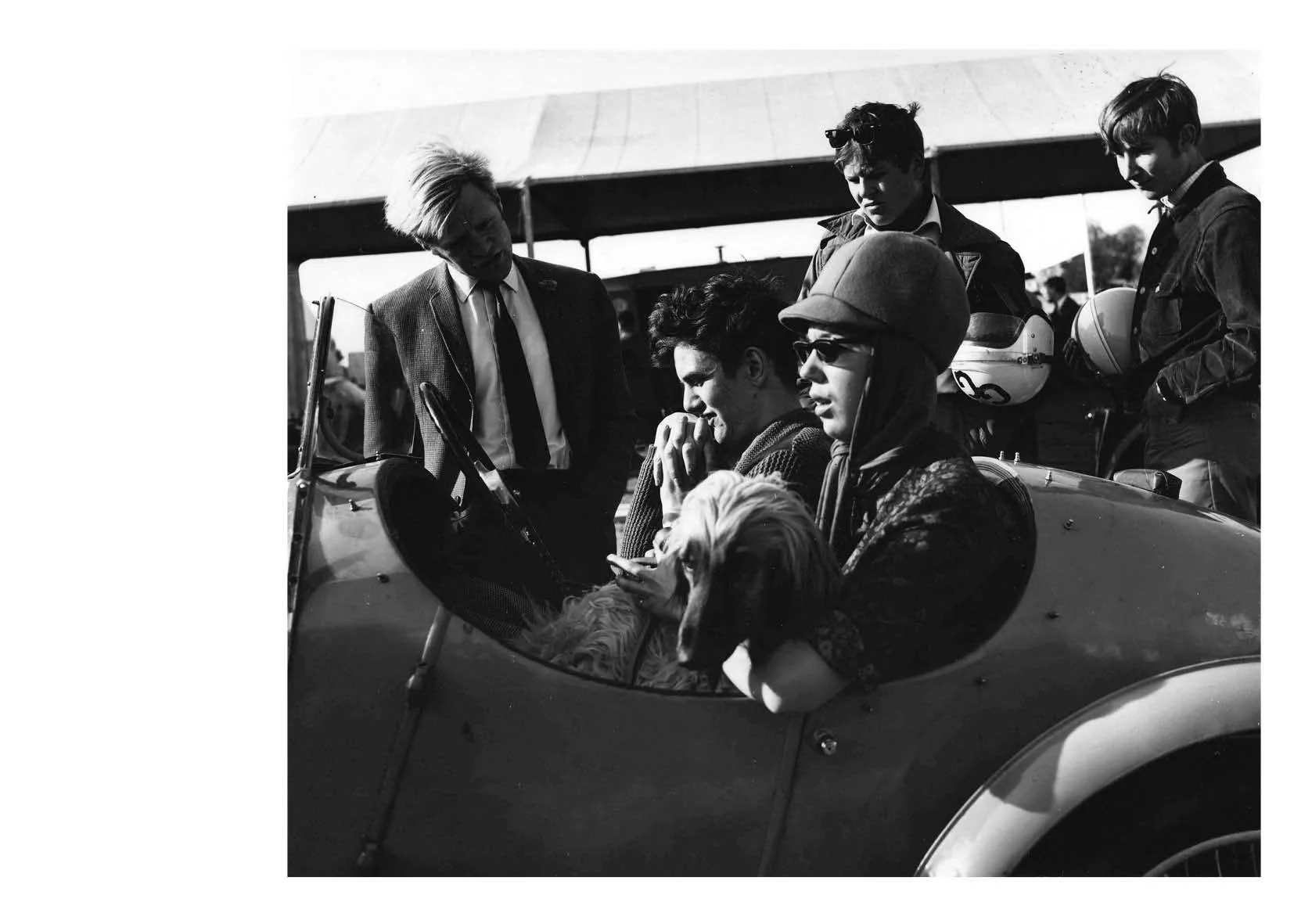 Image 5 of 19
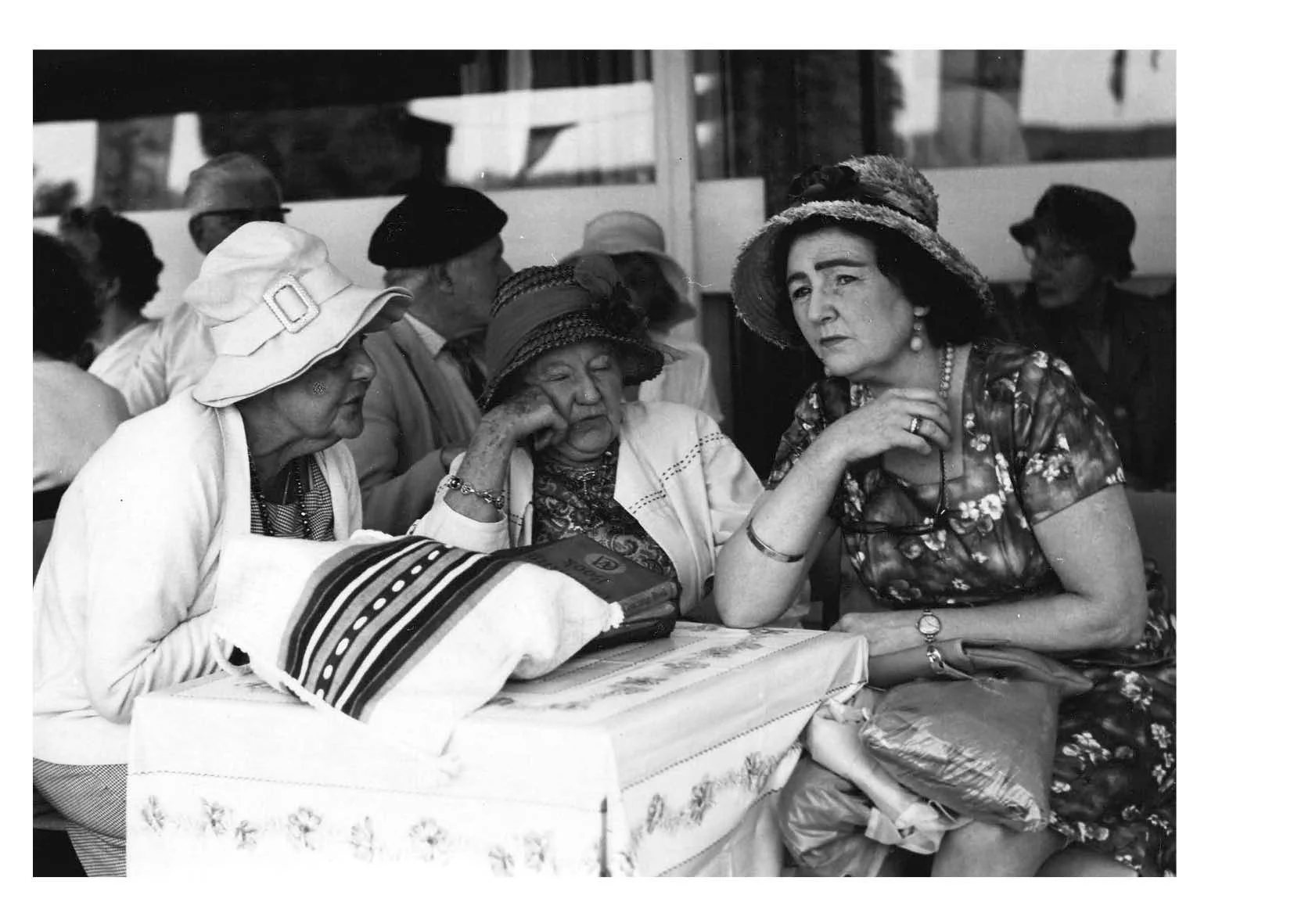 Image 6 of 19
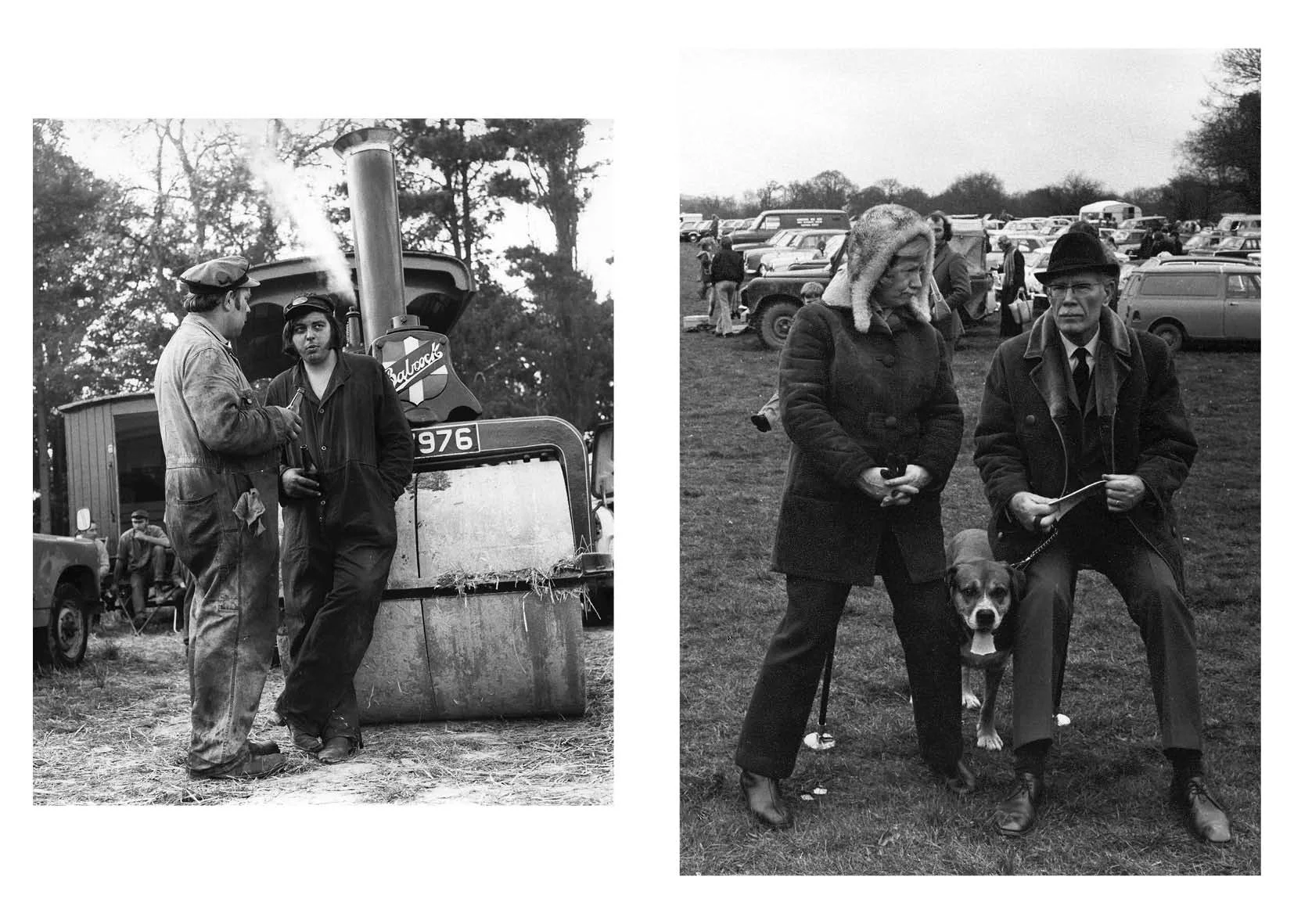 Image 7 of 19
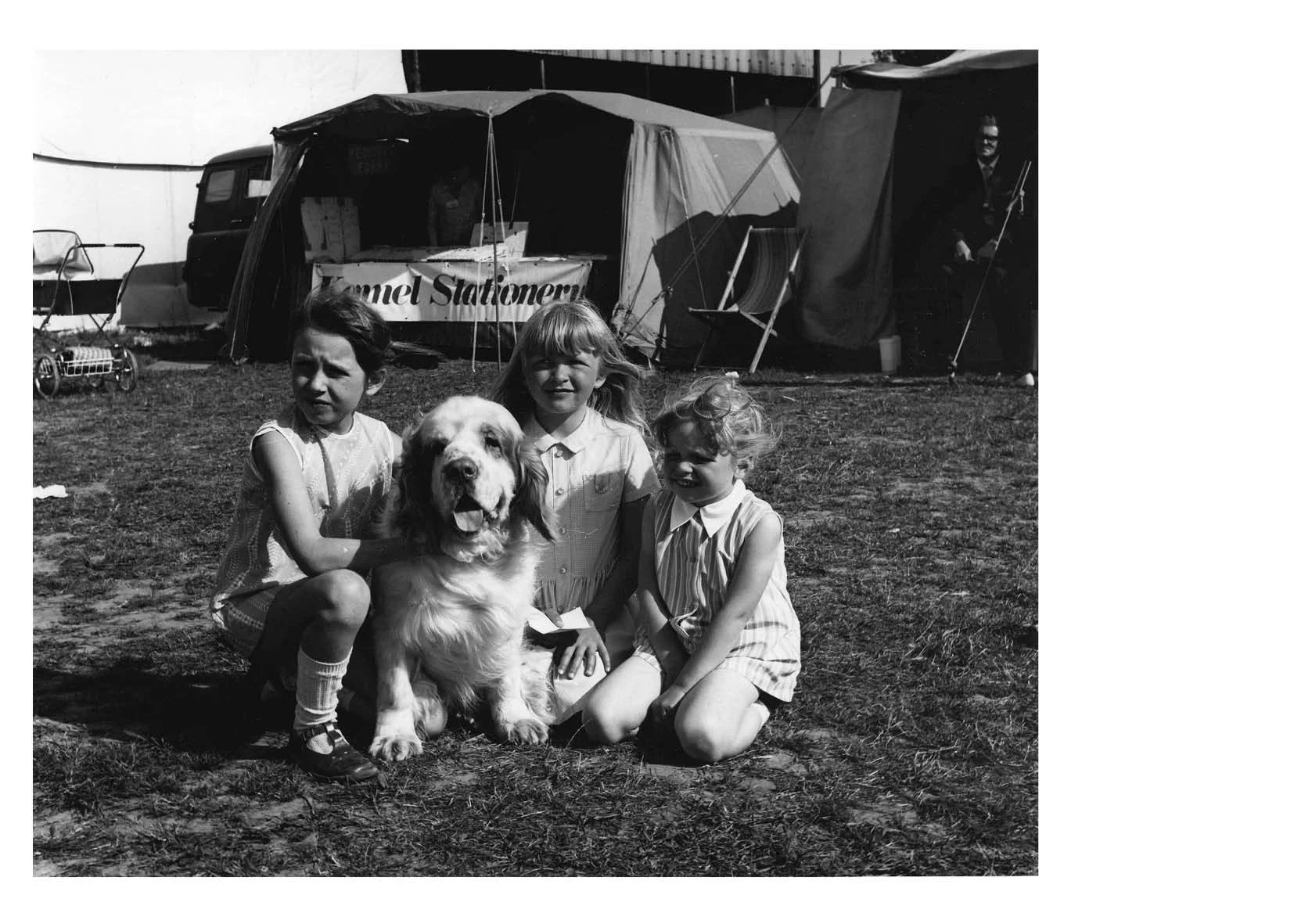 Image 8 of 19
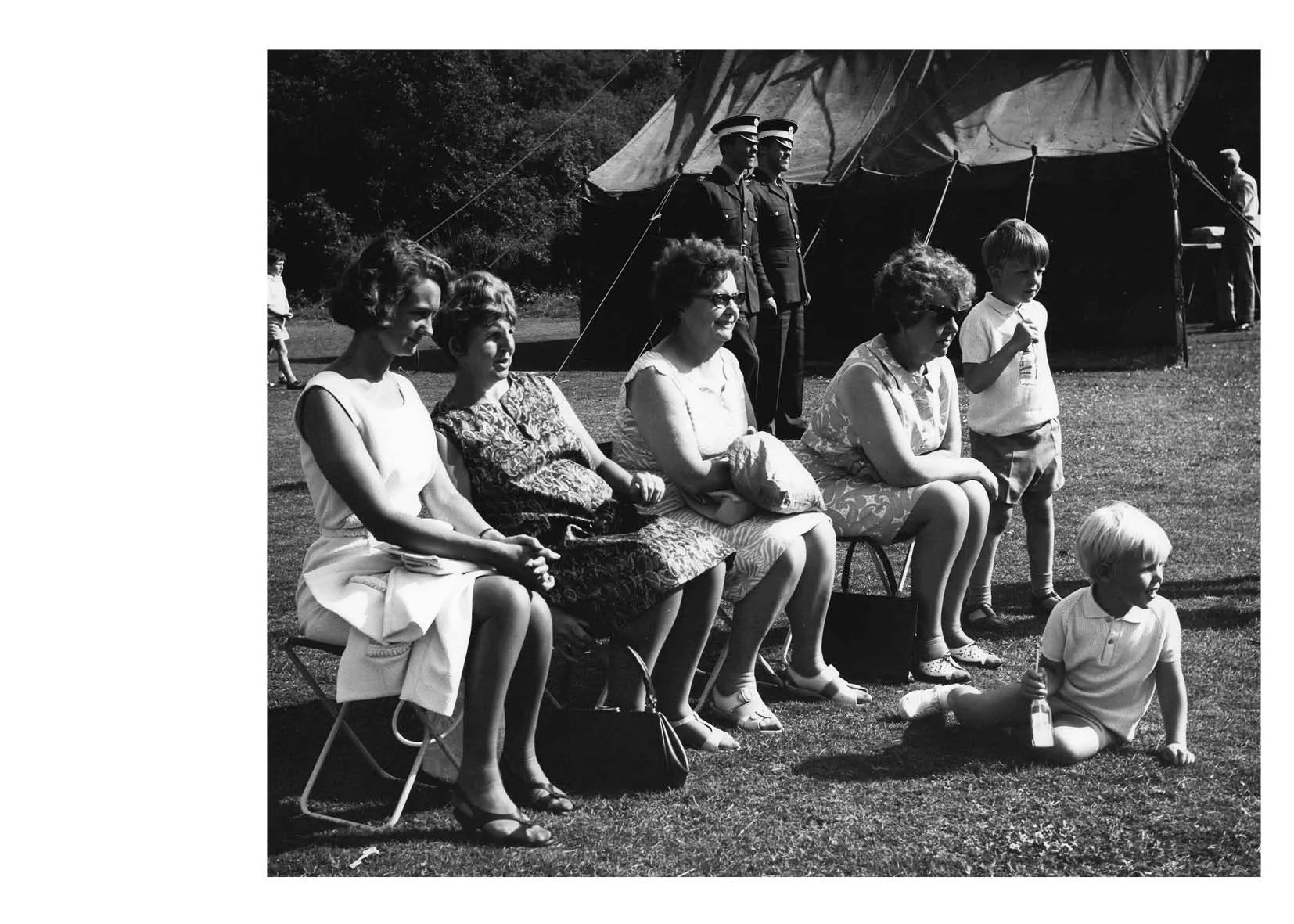 Image 9 of 19
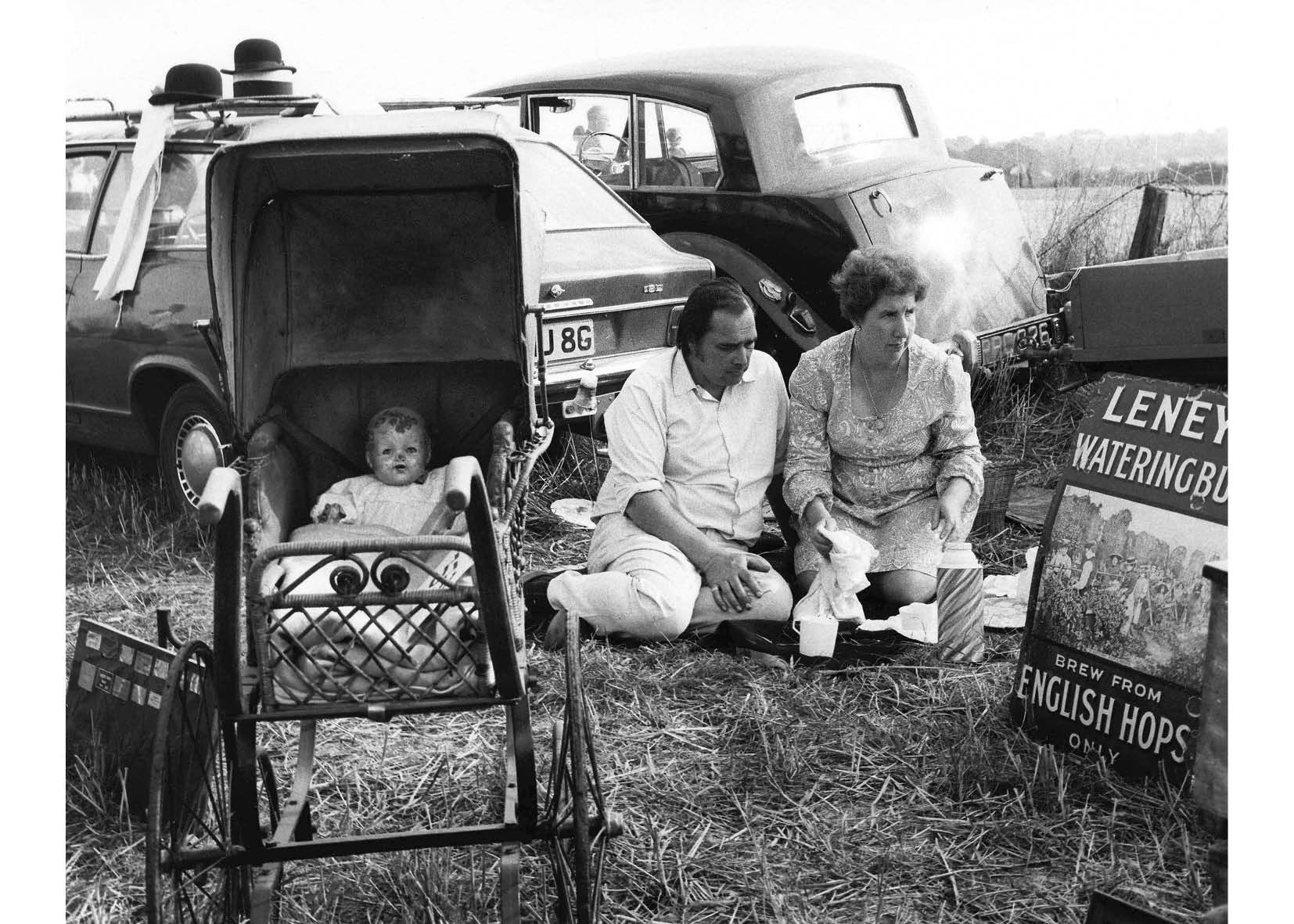 Image 10 of 19
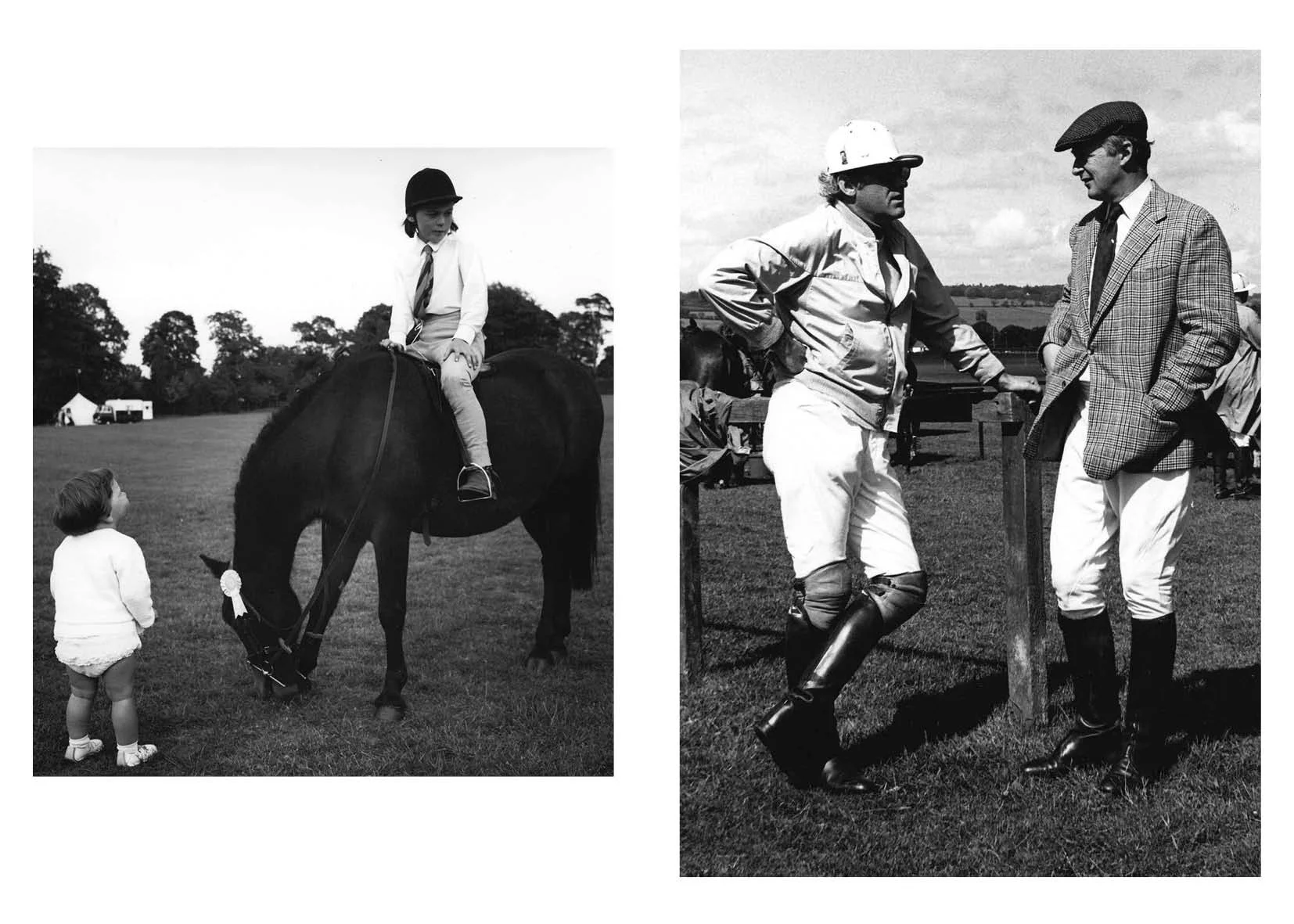 Image 11 of 19
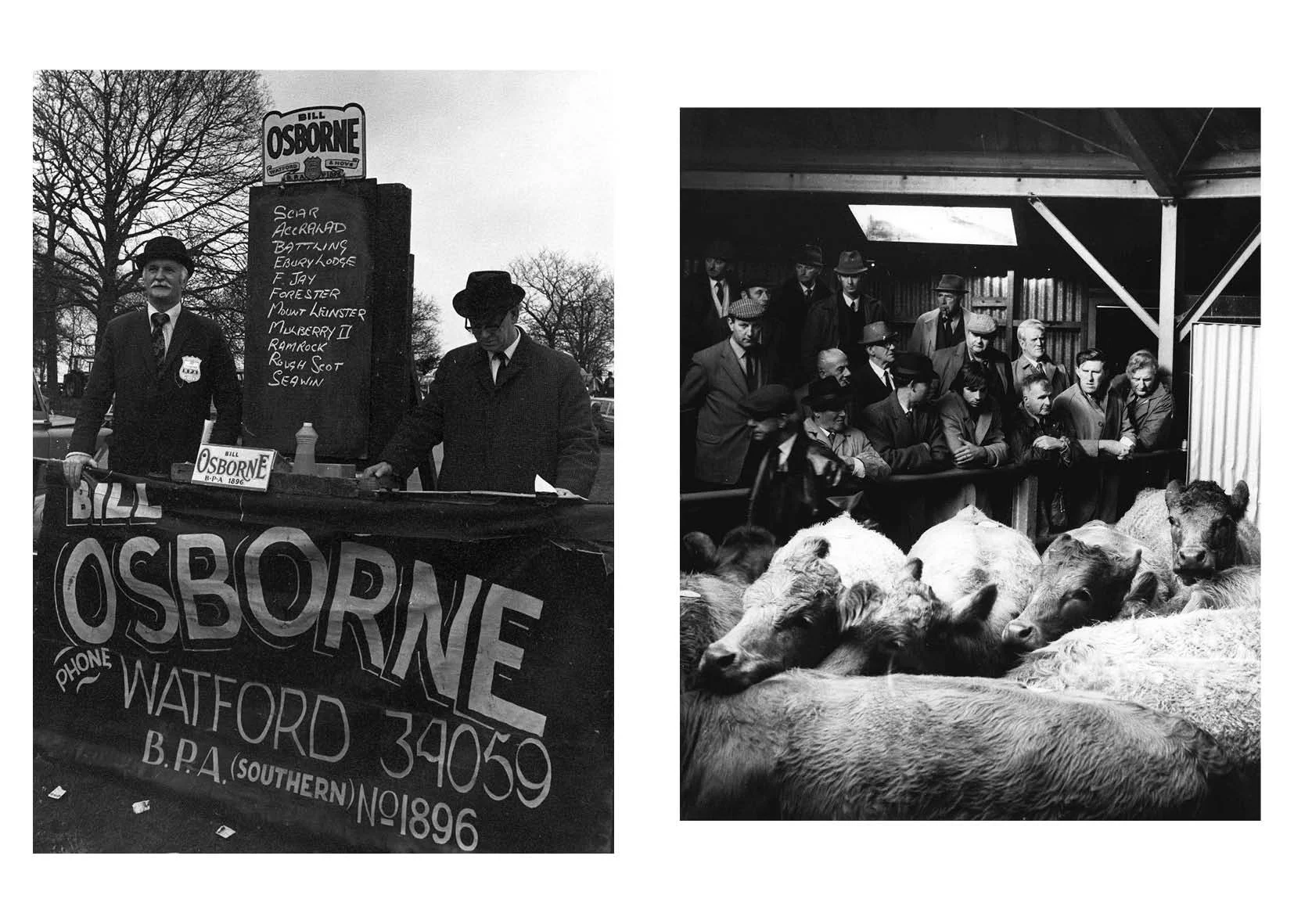 Image 12 of 19
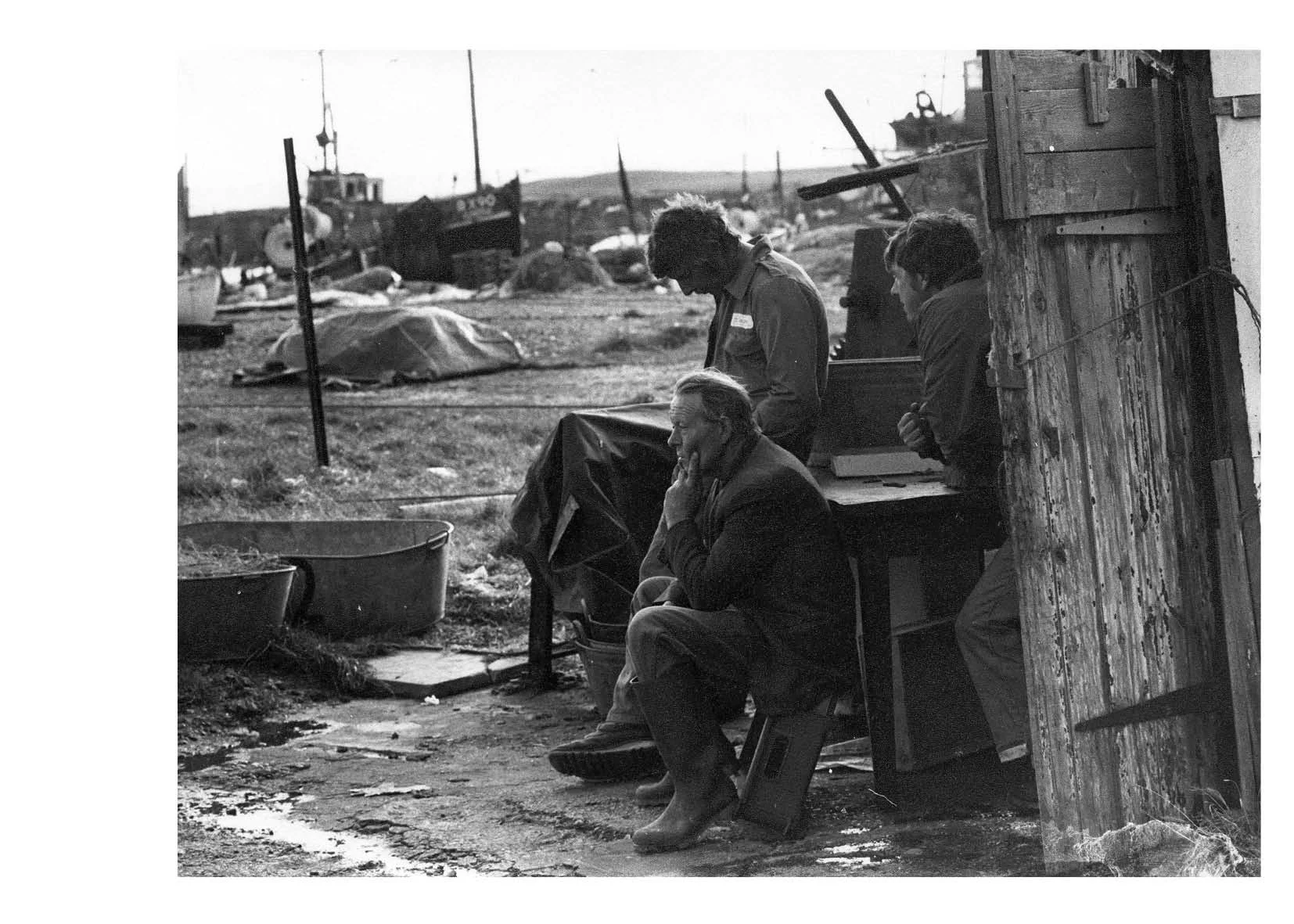 Image 13 of 19
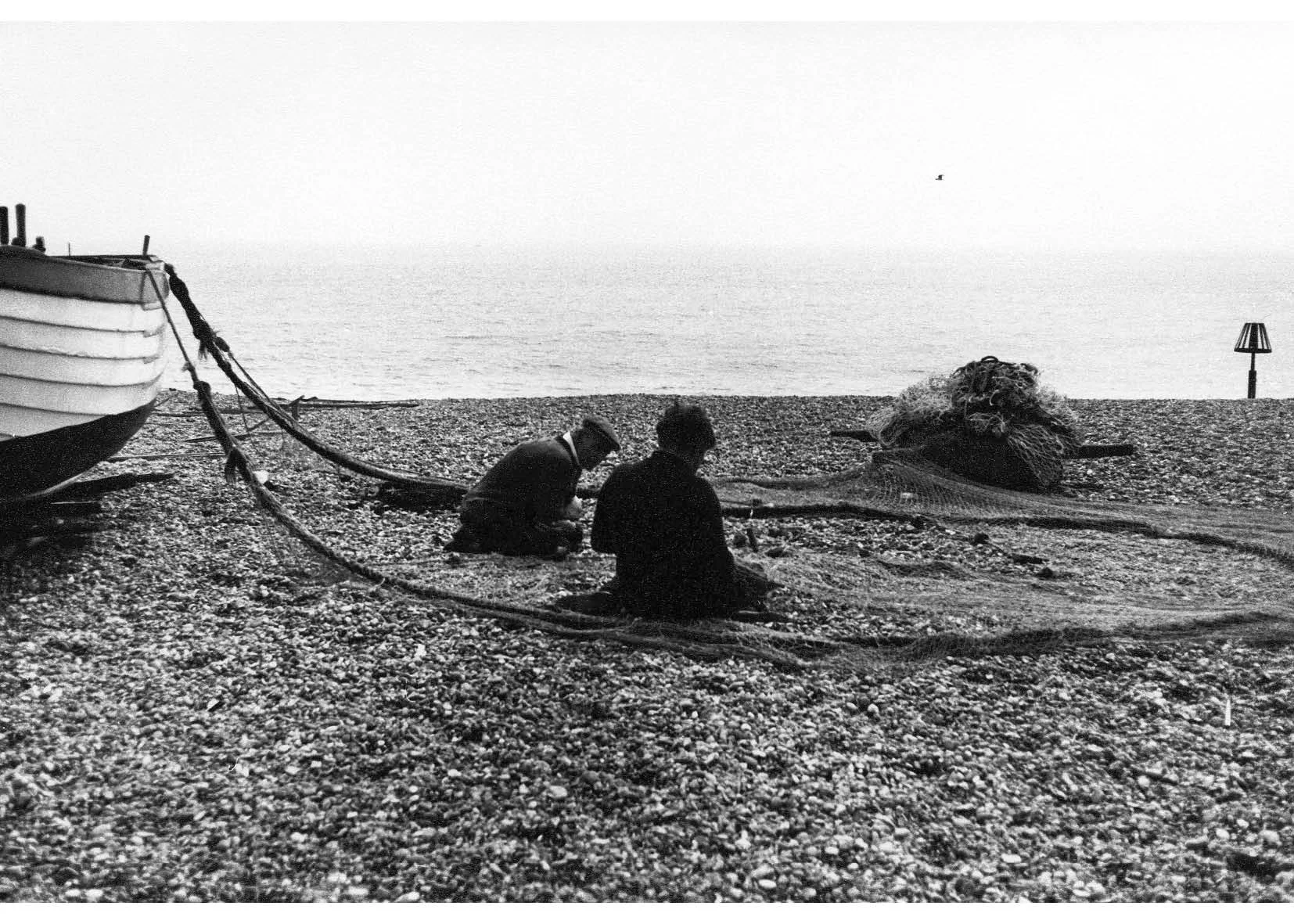 Image 14 of 19
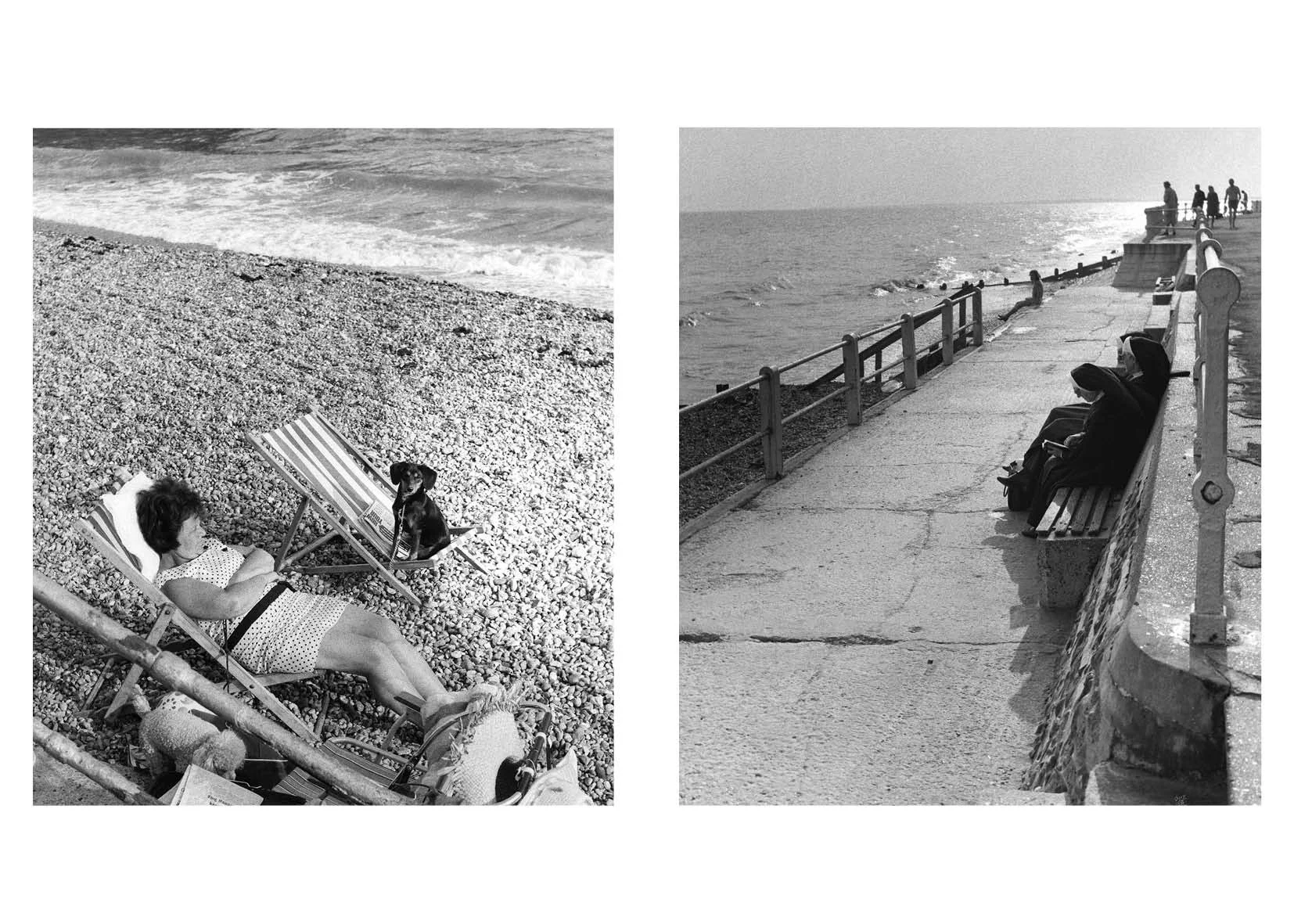 Image 15 of 19
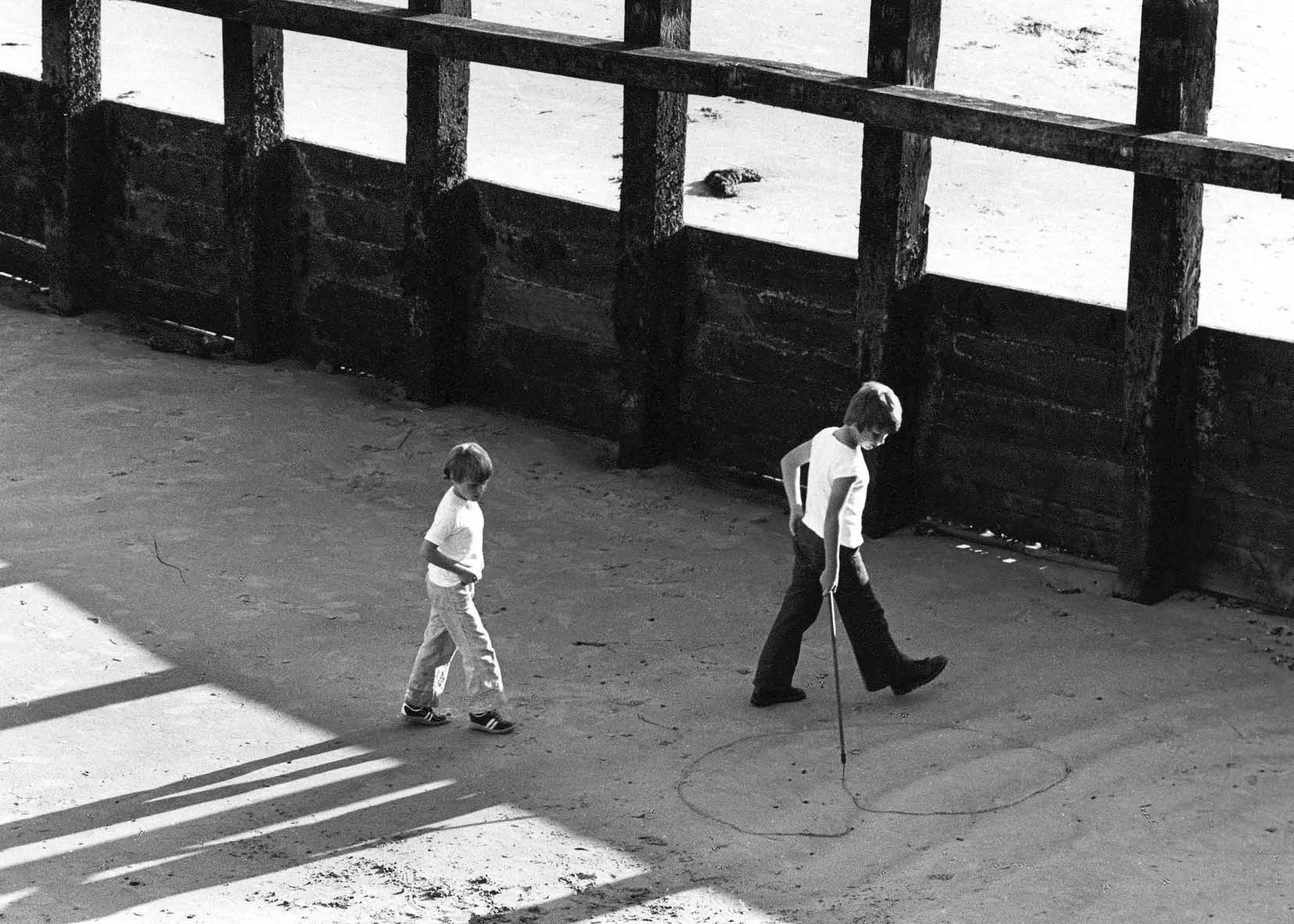 Image 16 of 19
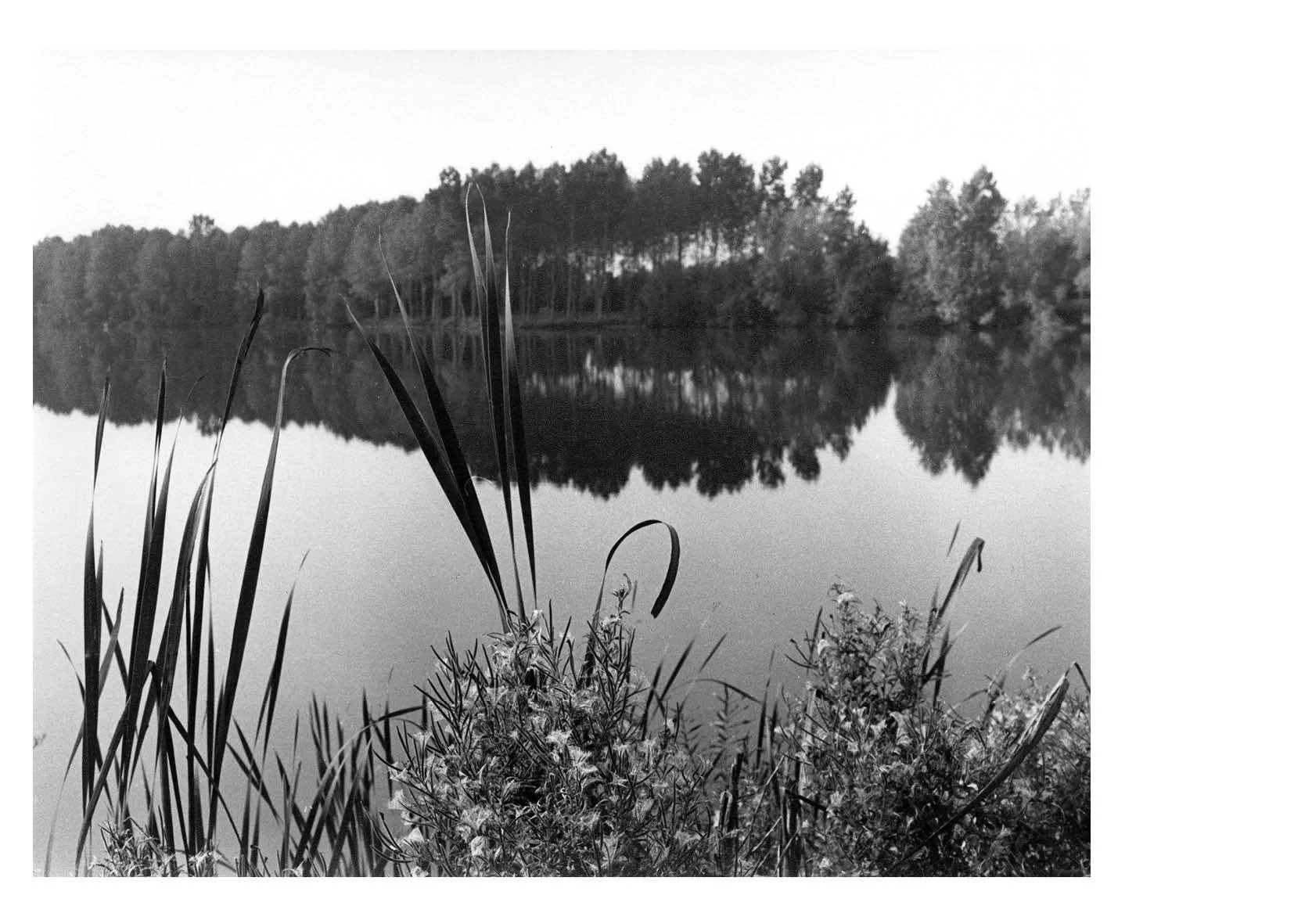 Image 17 of 19
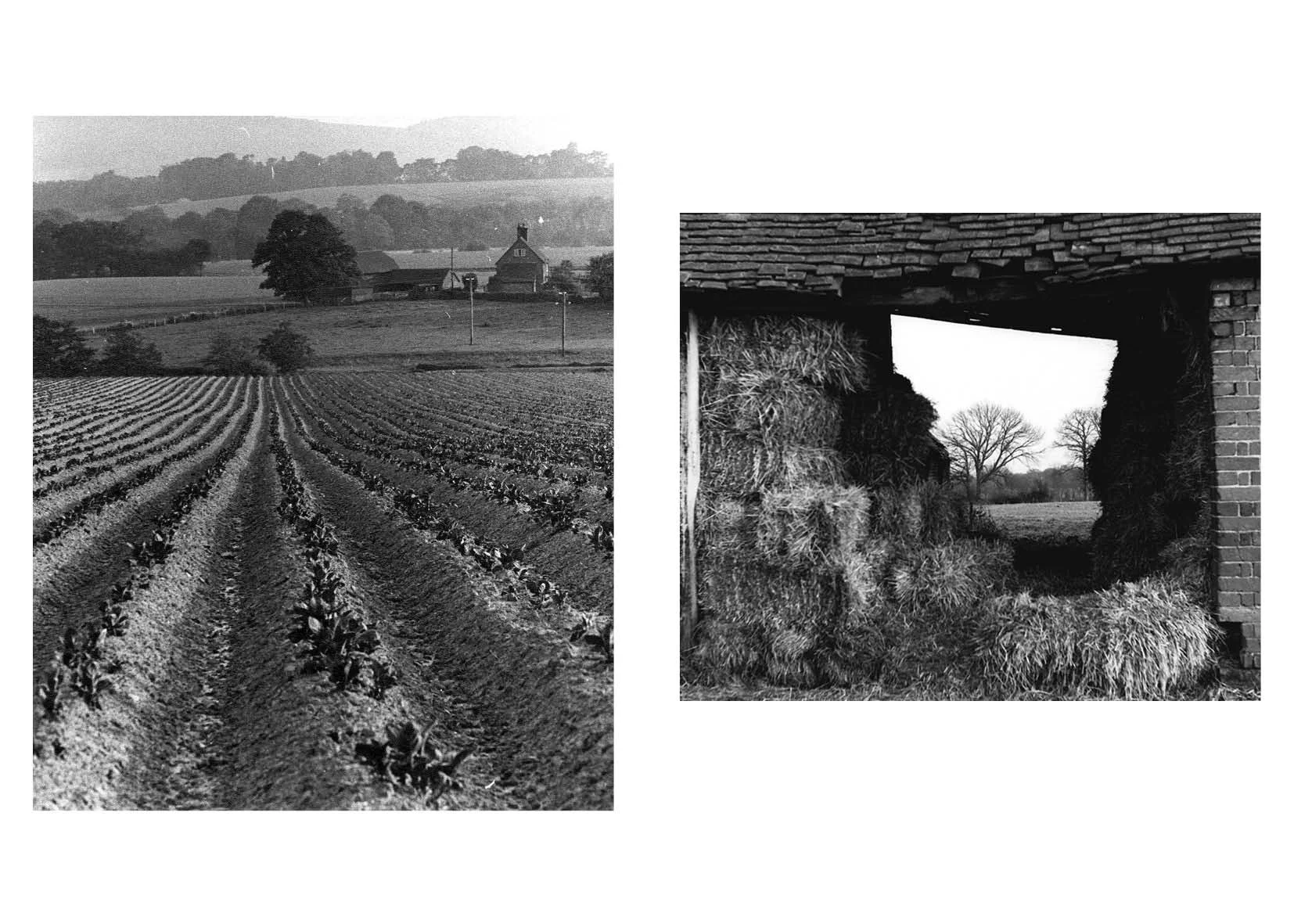 Image 18 of 19
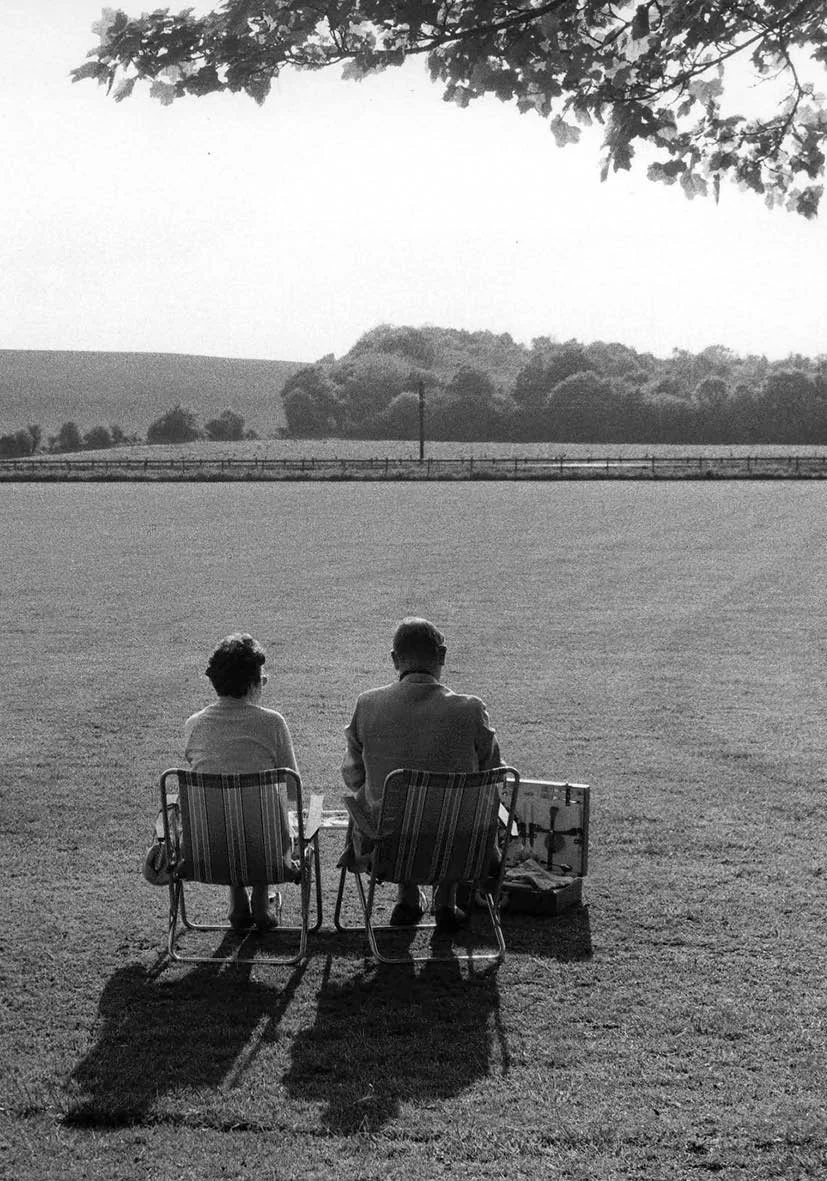 Image 19 of 19