Image 1 of 19
Image 2 of 19
Image 3 of 19
Image 4 of 19
Image 5 of 19
Image 6 of 19
Image 7 of 19
Image 8 of 19
Image 9 of 19
Image 10 of 19
Image 11 of 19
Image 12 of 19
Image 13 of 19
Image 14 of 19
Image 15 of 19
Image 16 of 19
Image 17 of 19
Image 18 of 19
Image 19 of 19
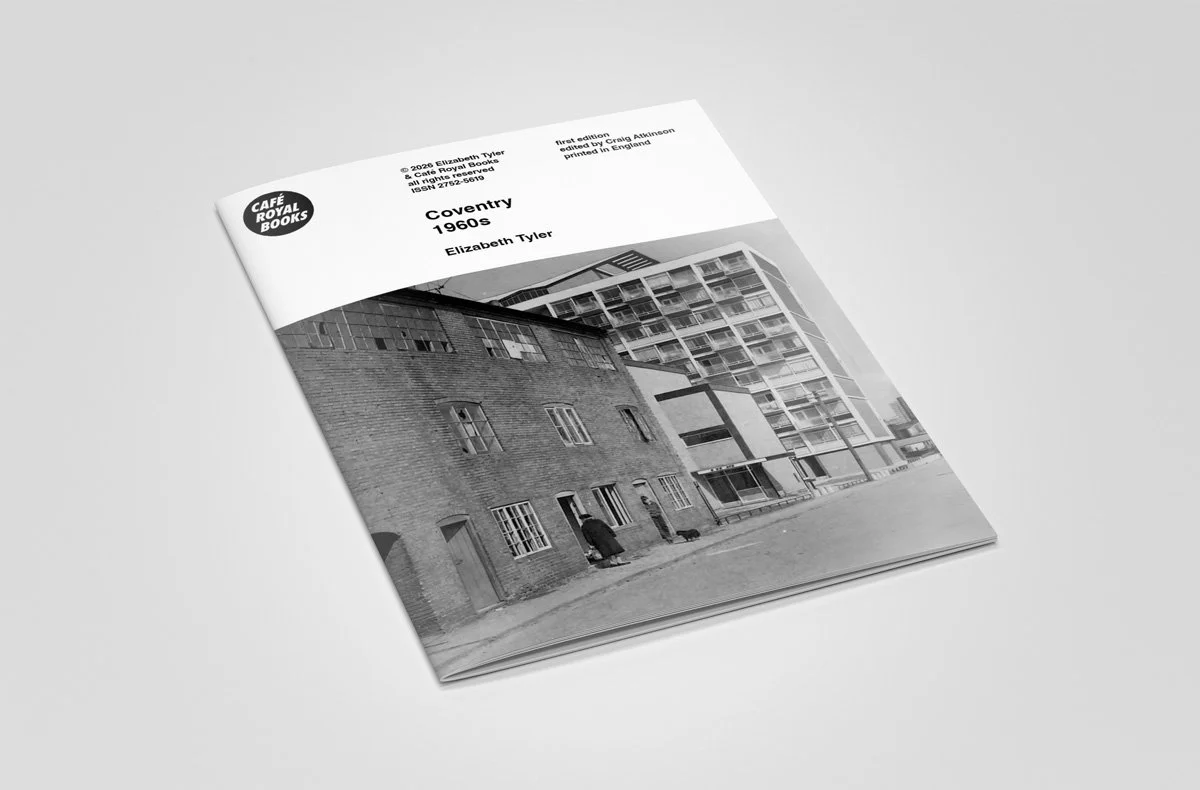
Elizabeth Tyler — Coventry 1960s
36 pages
printed in England
staple bound
14cm x 20cm
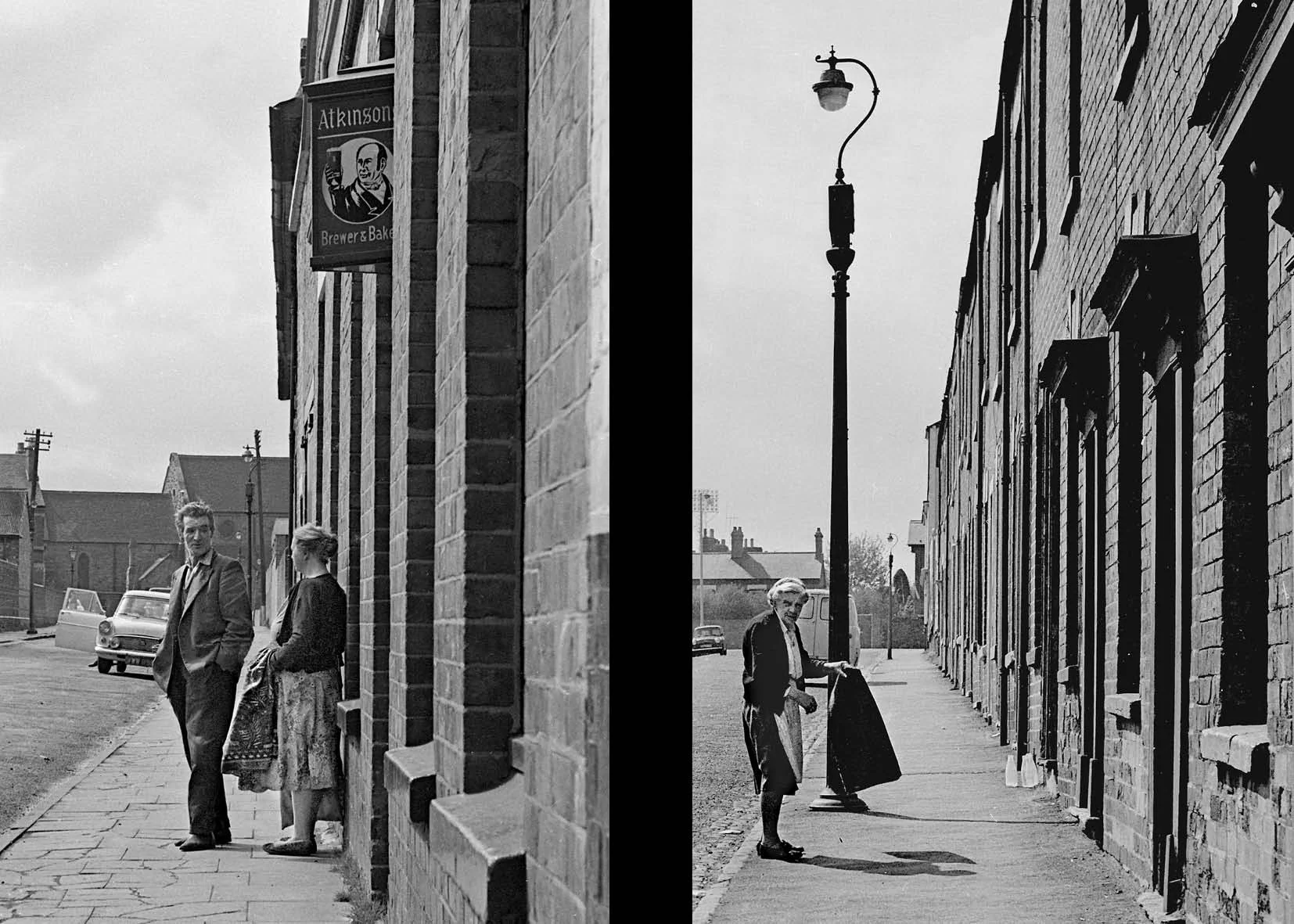
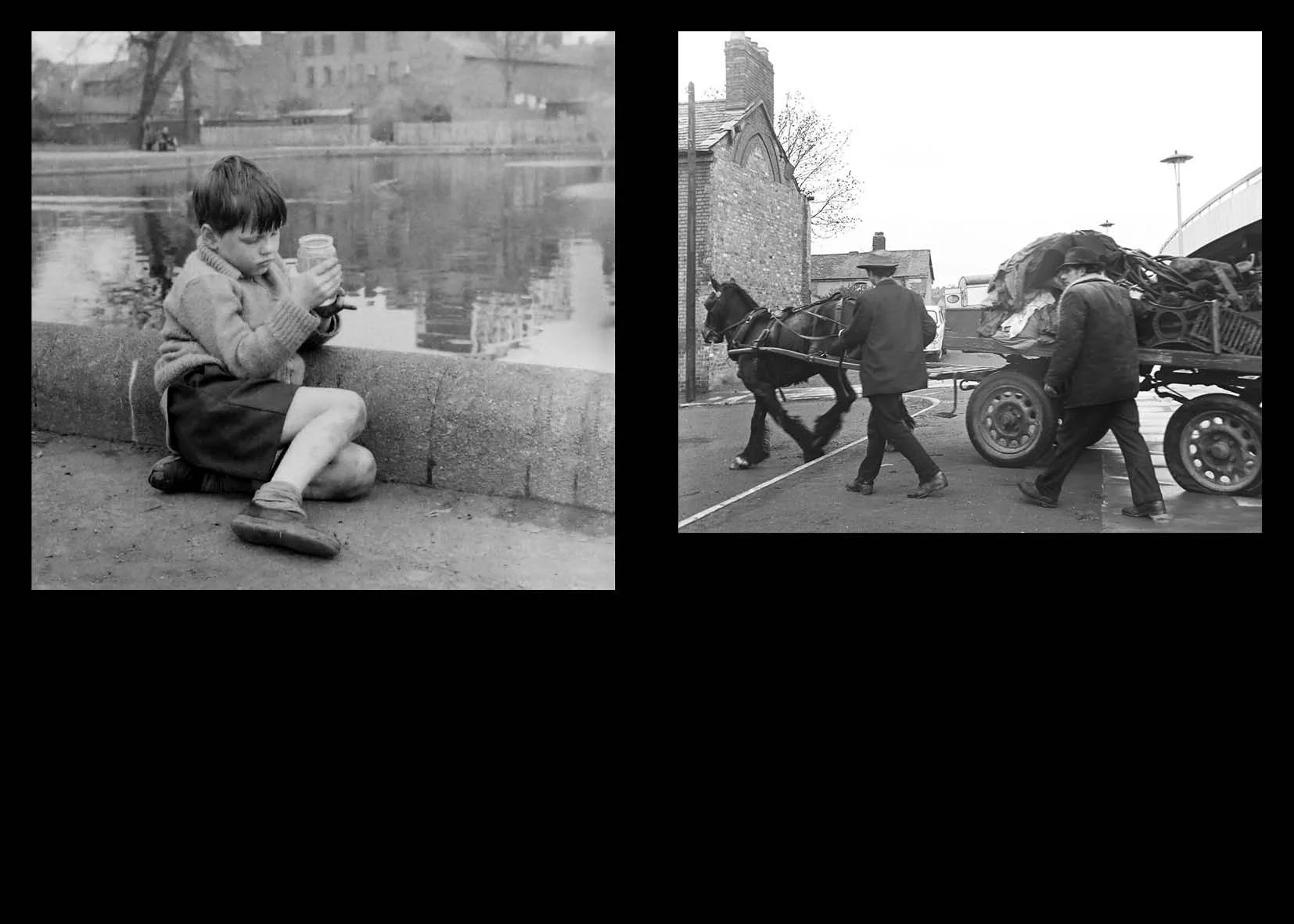
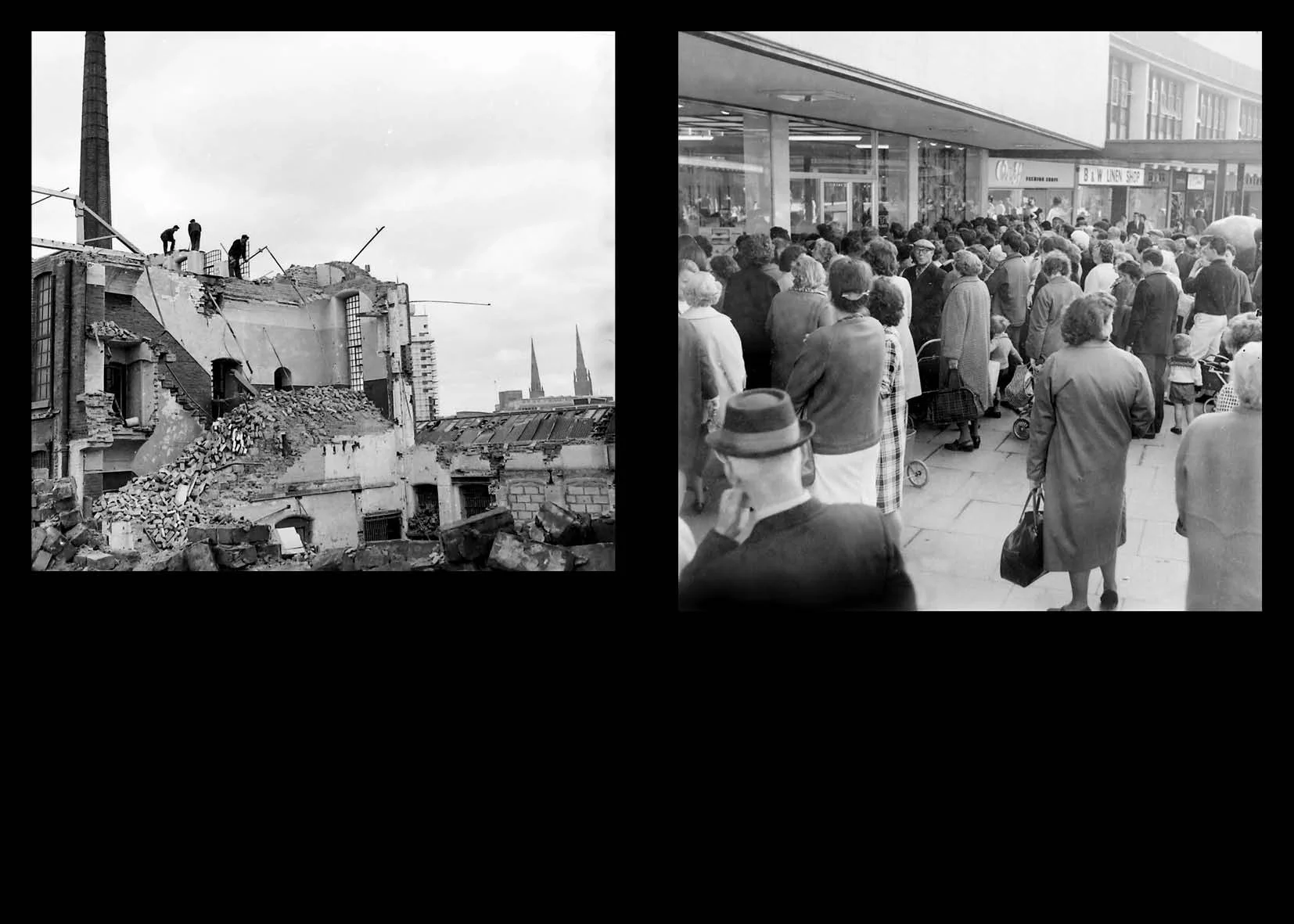
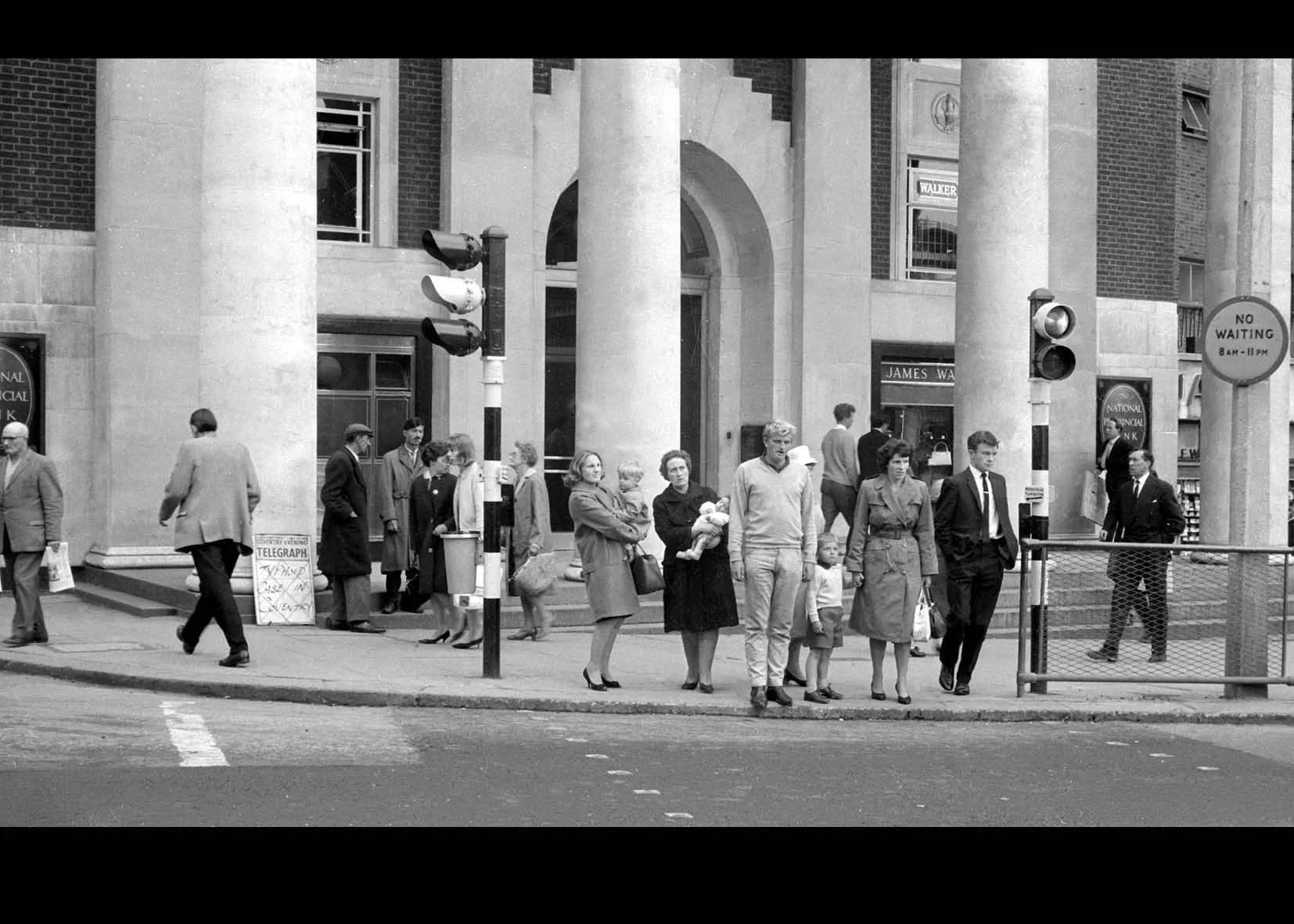
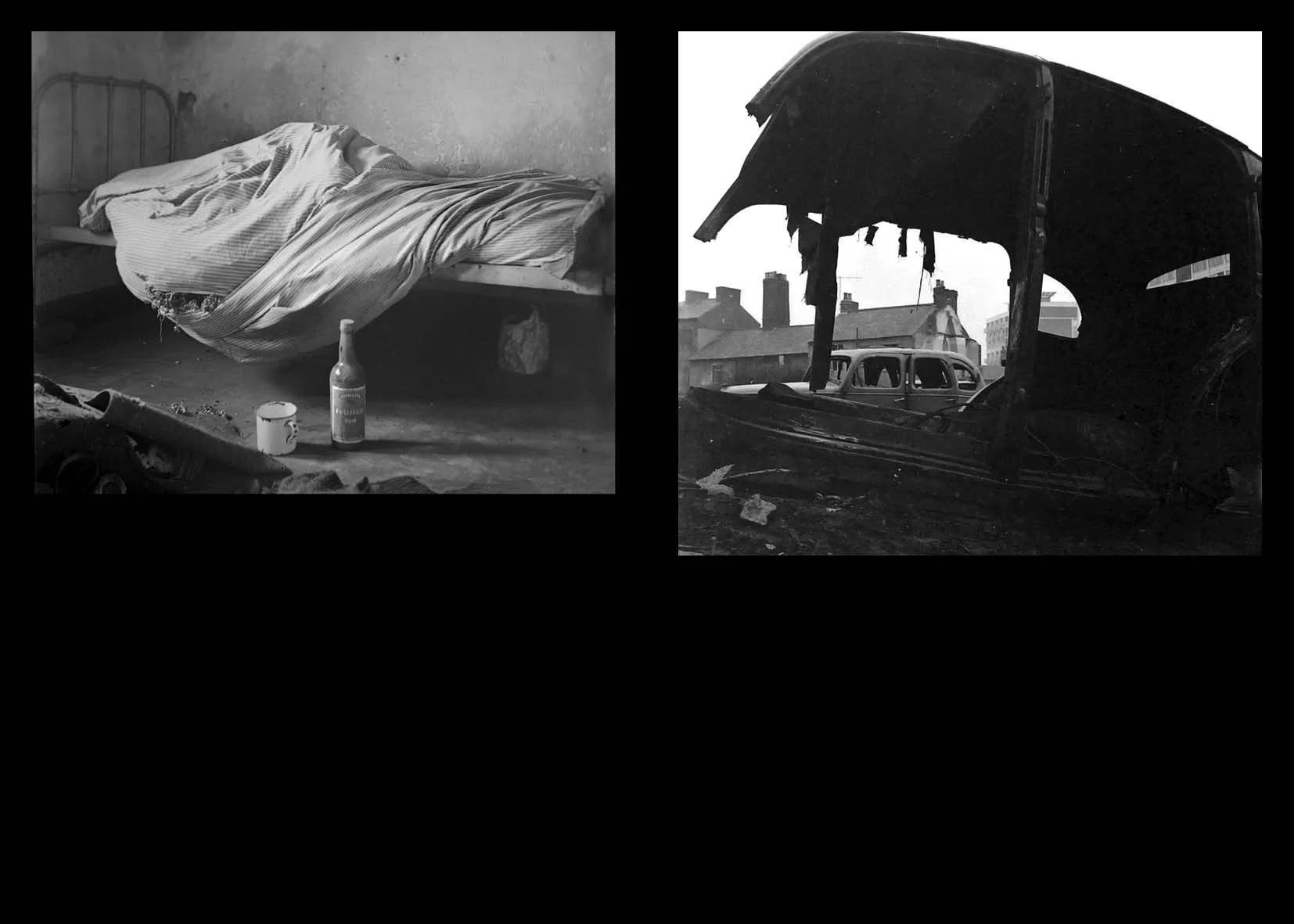
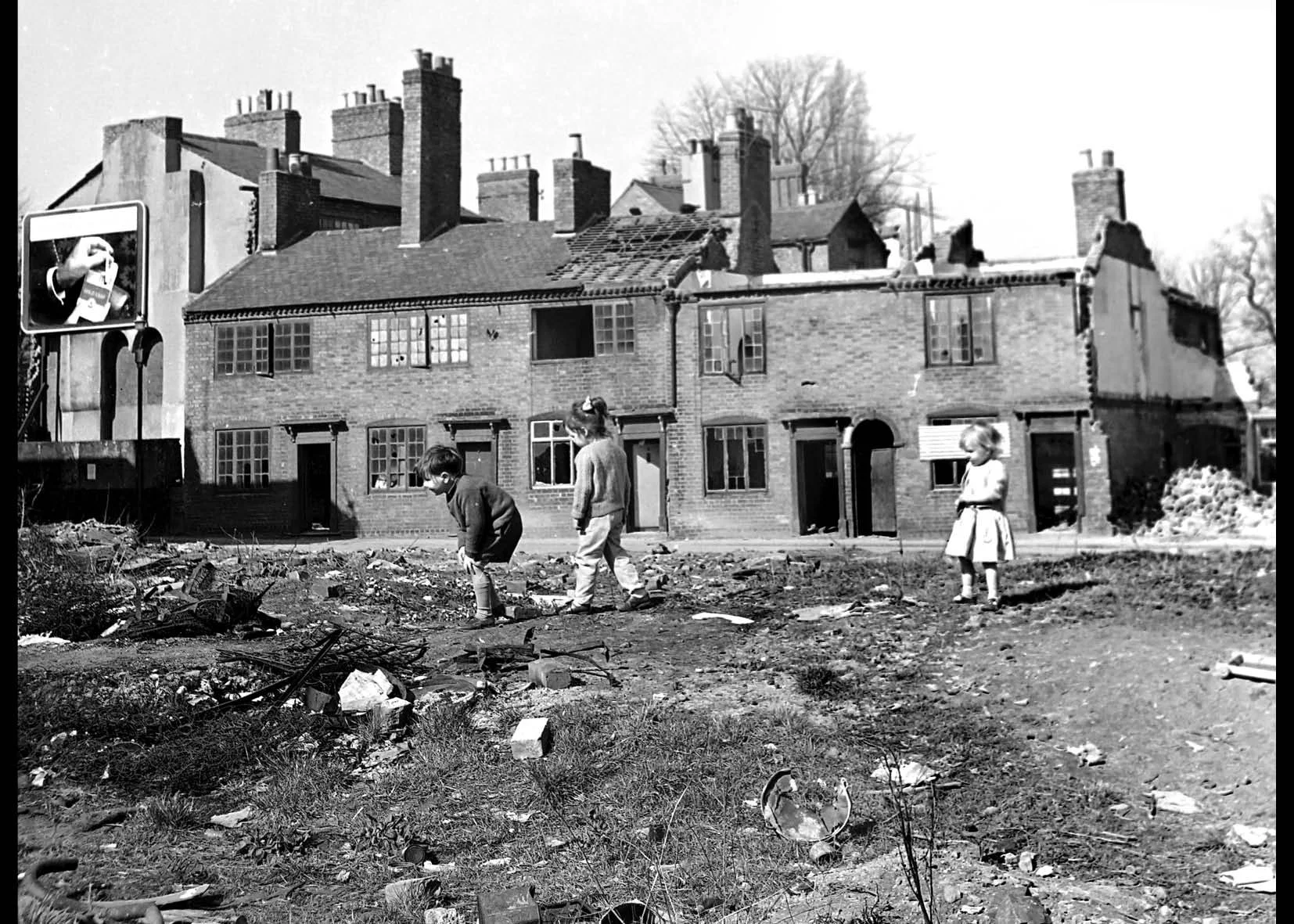
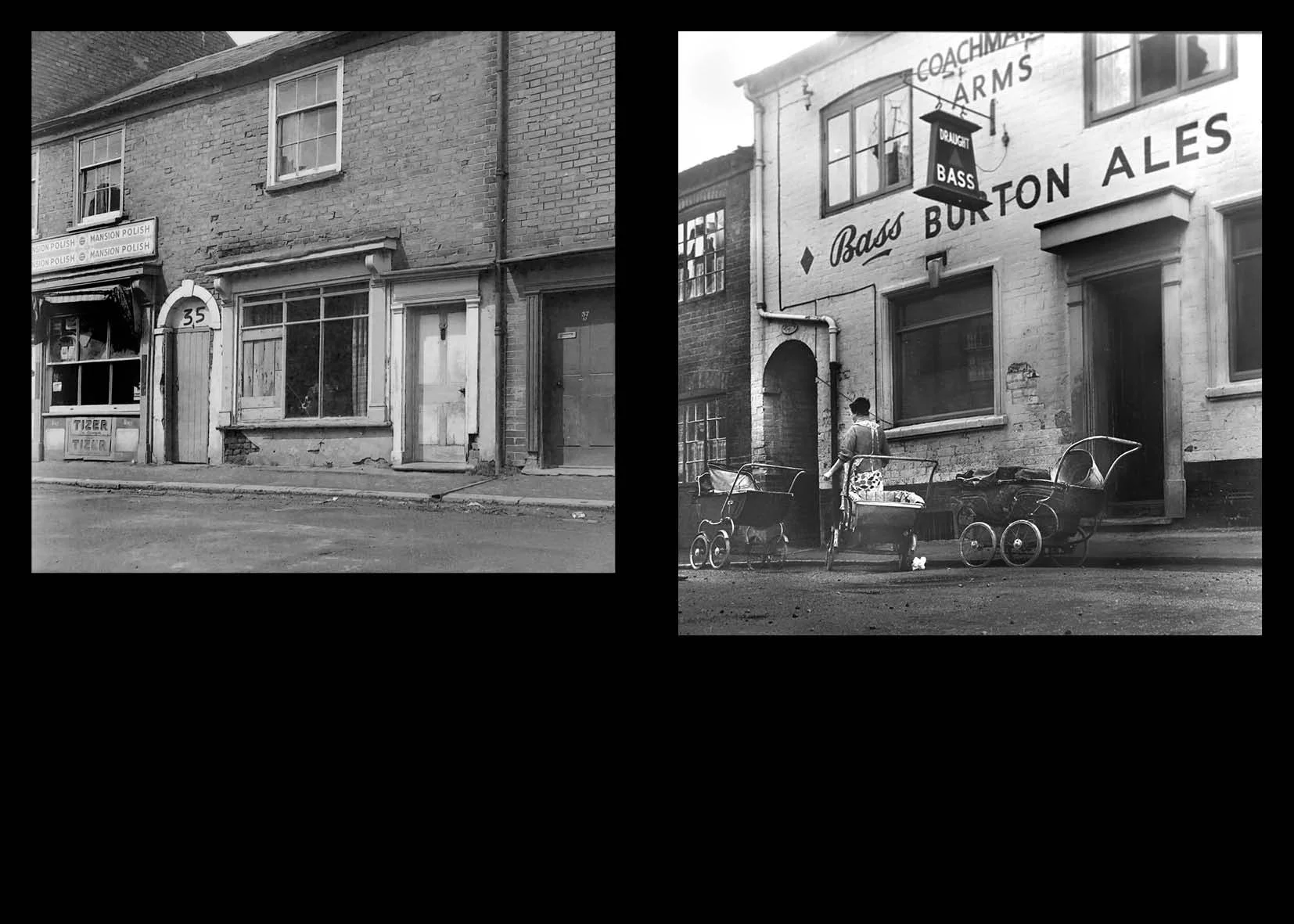
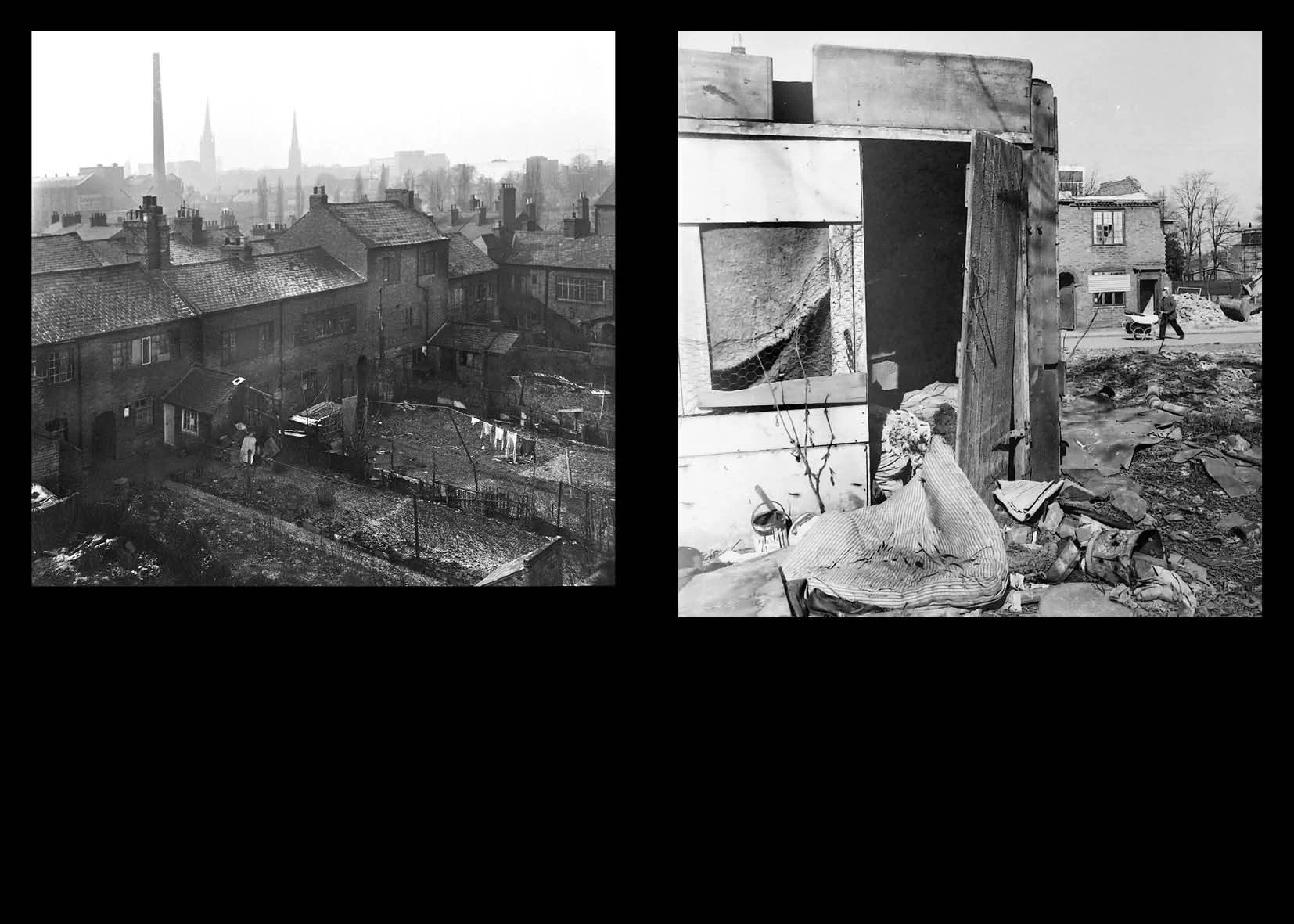
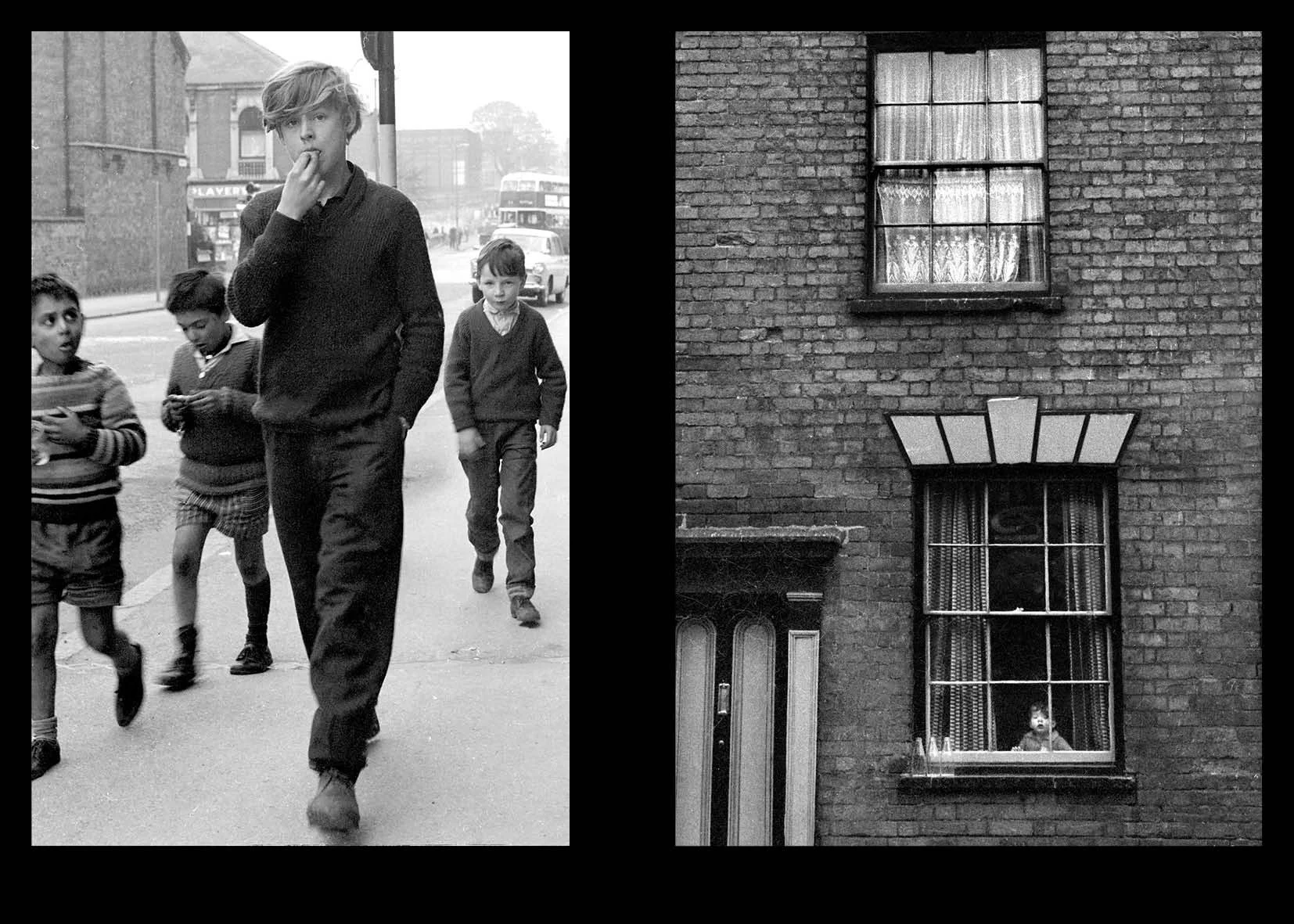
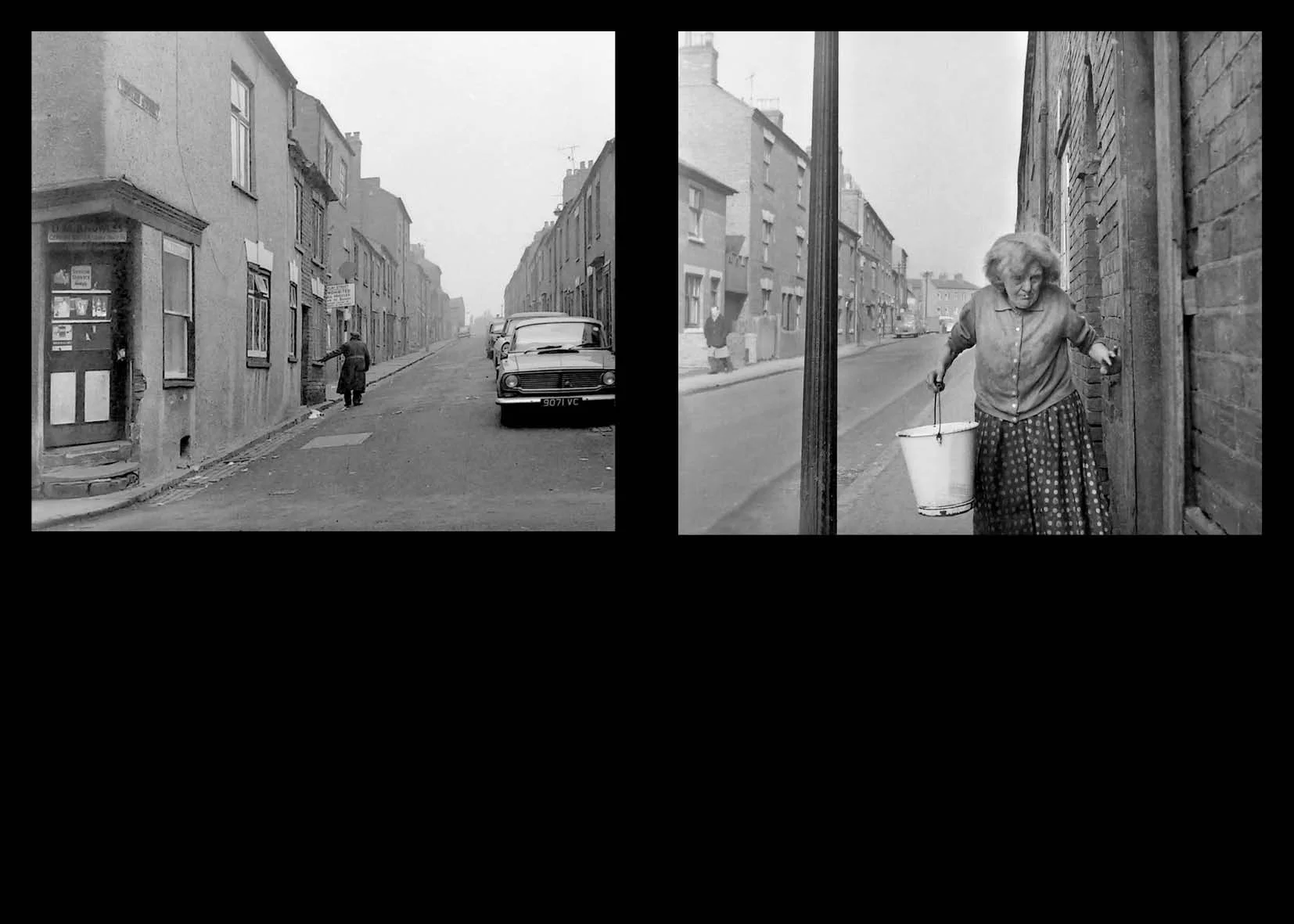
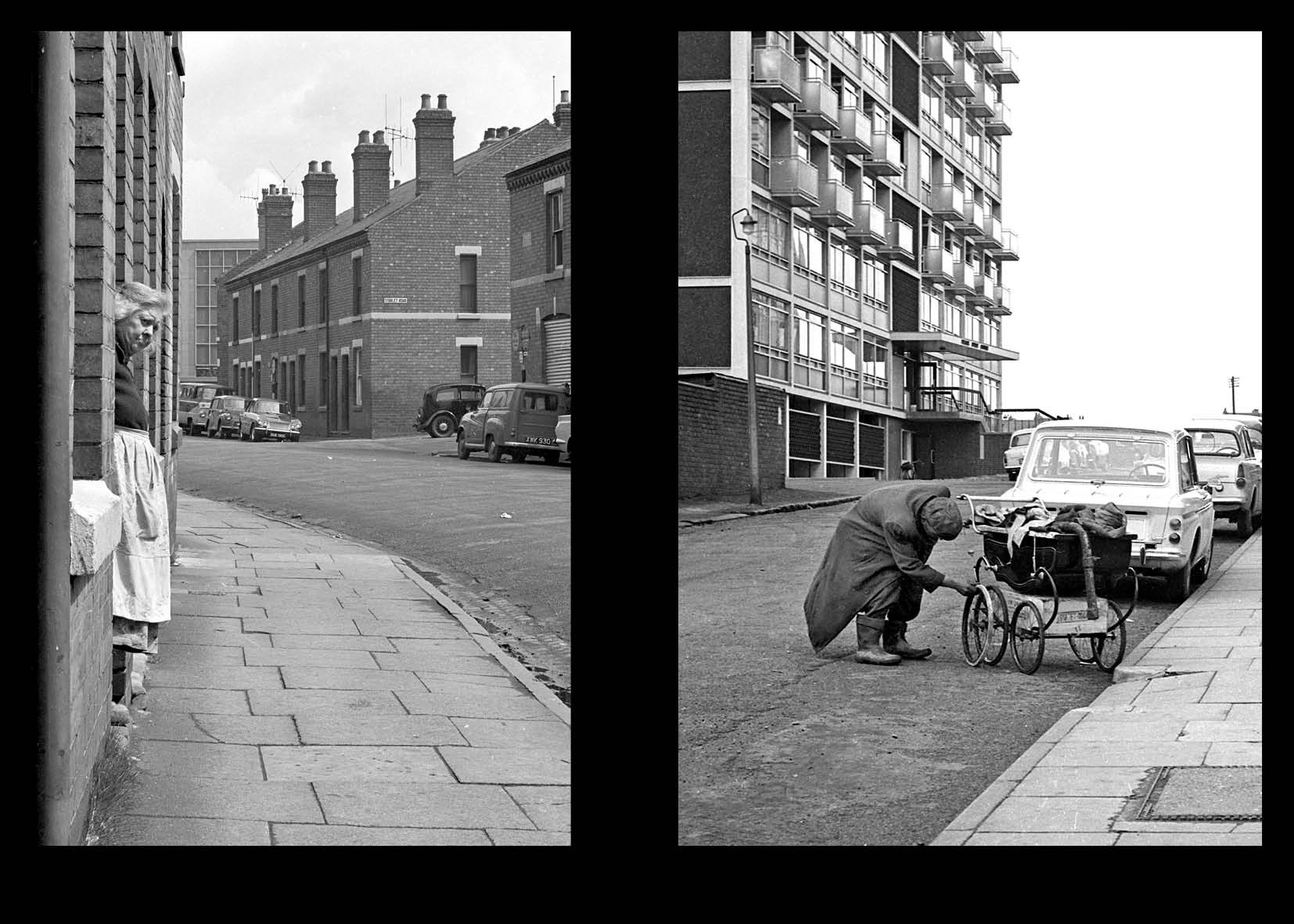
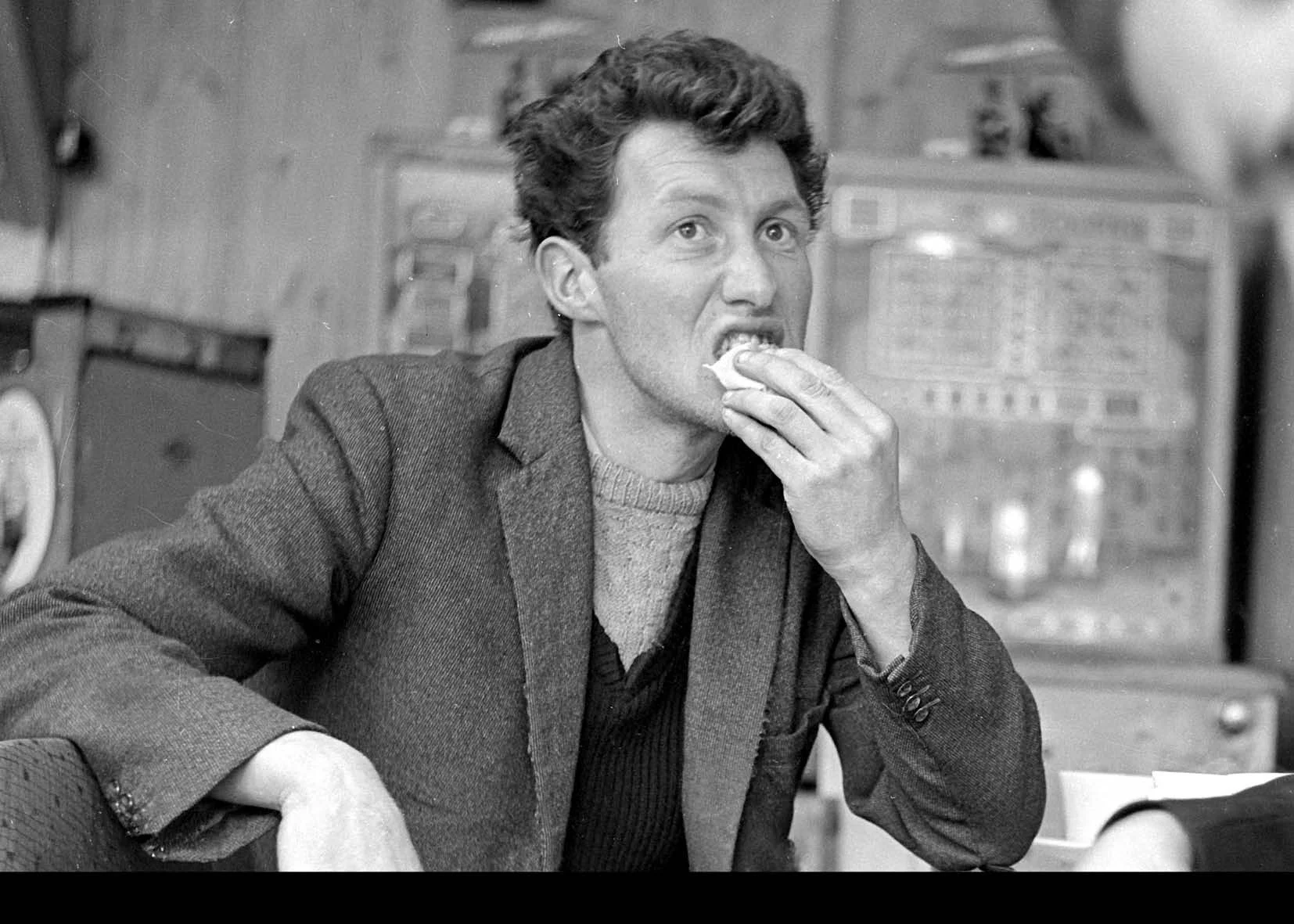
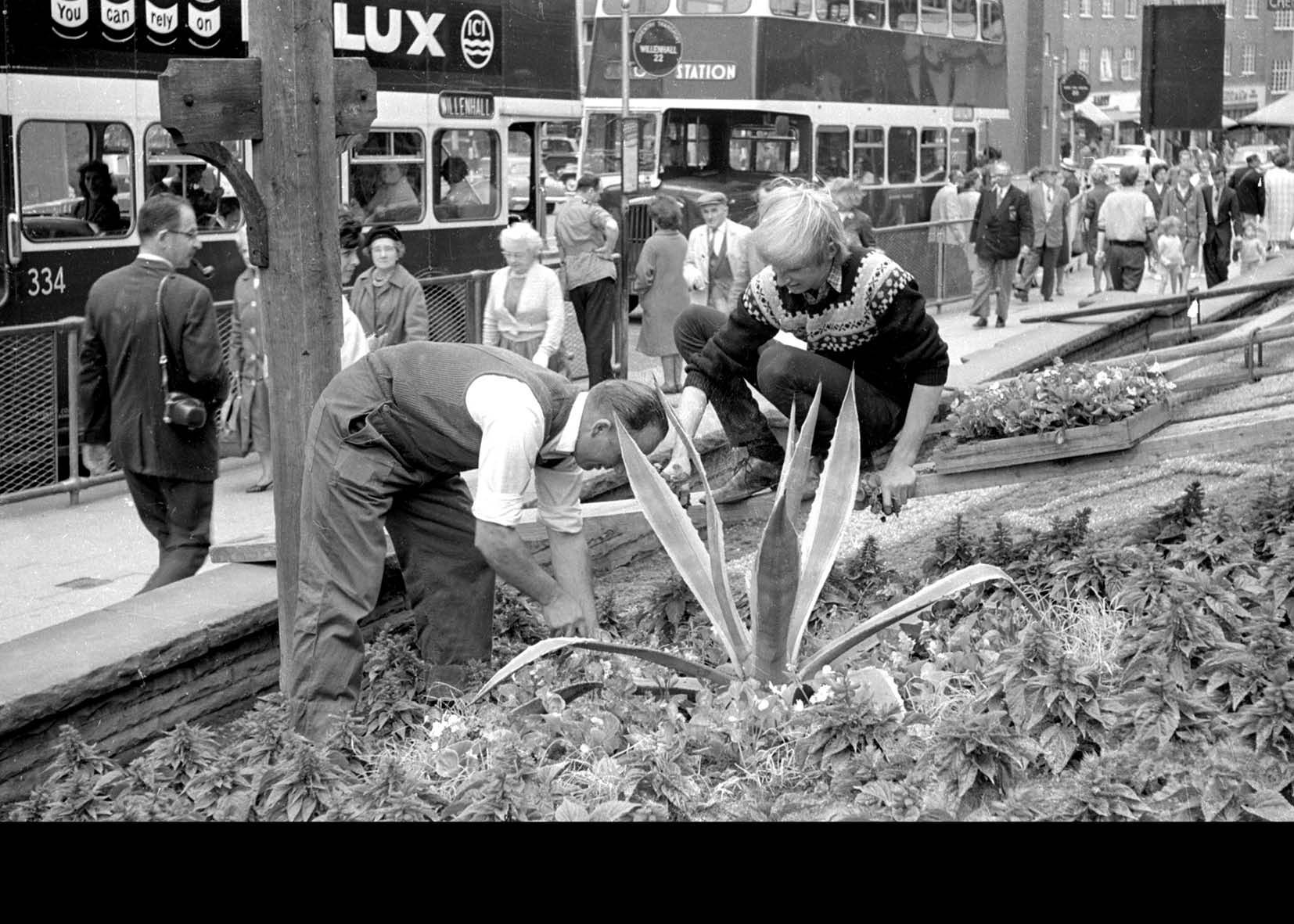
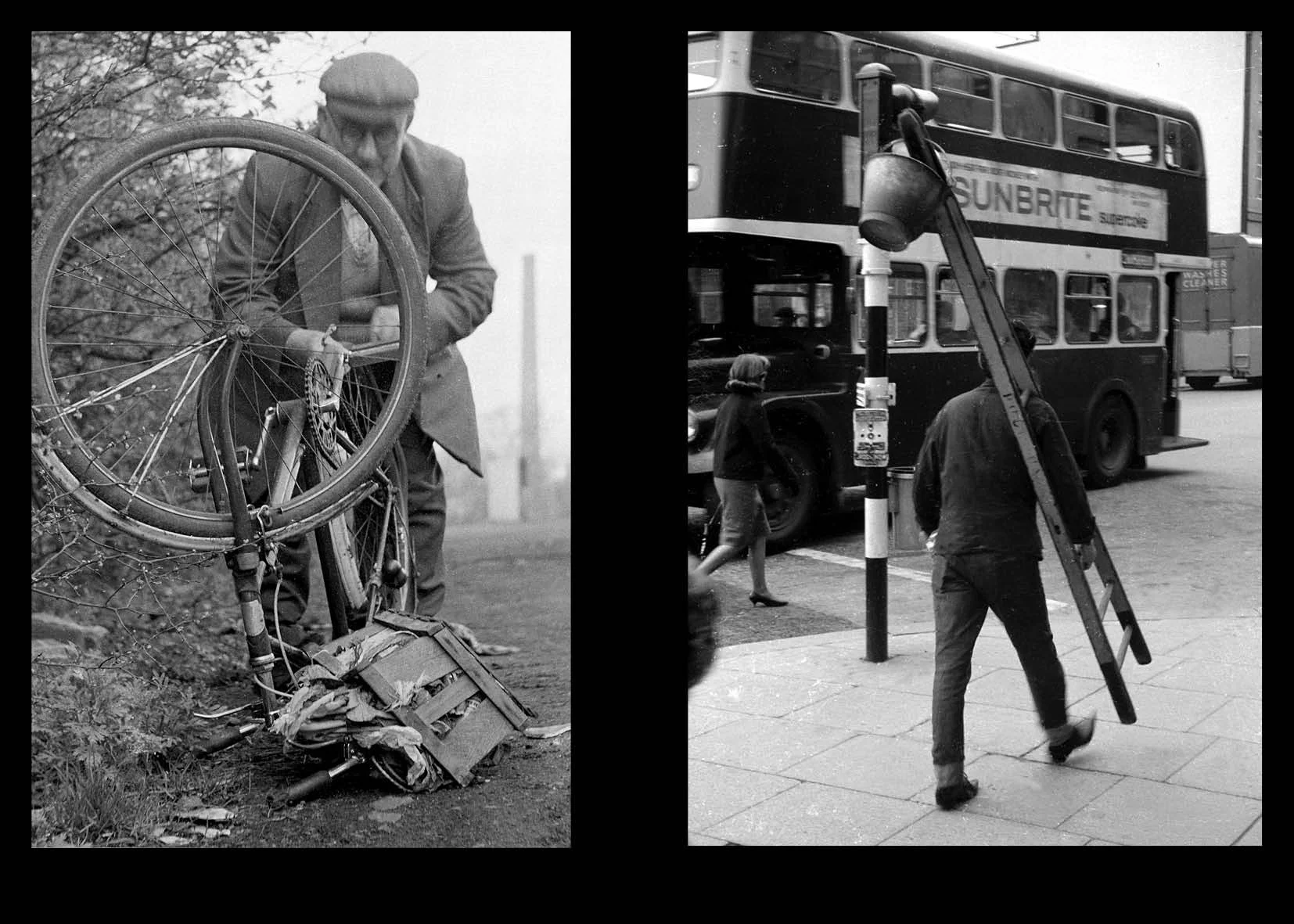
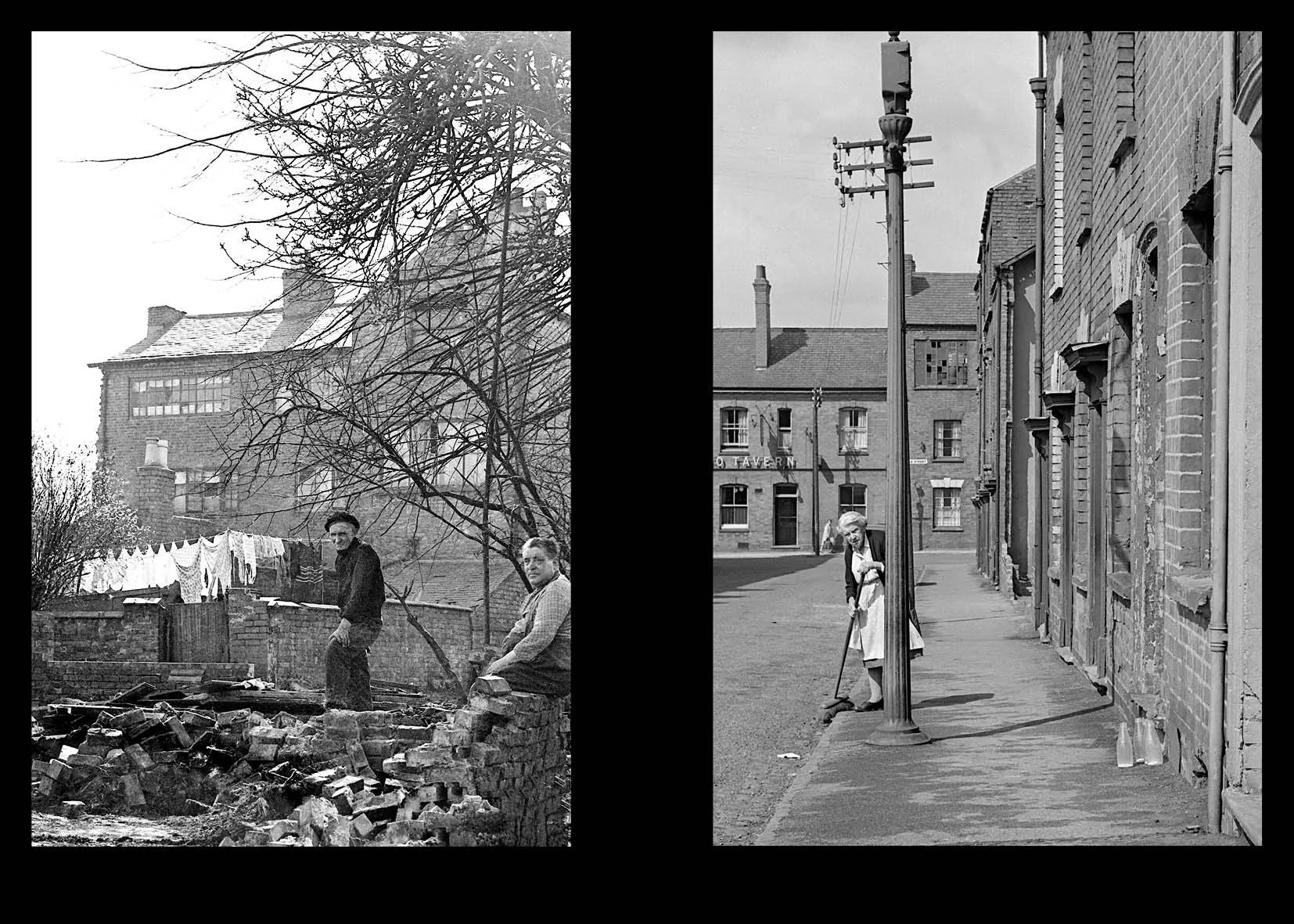
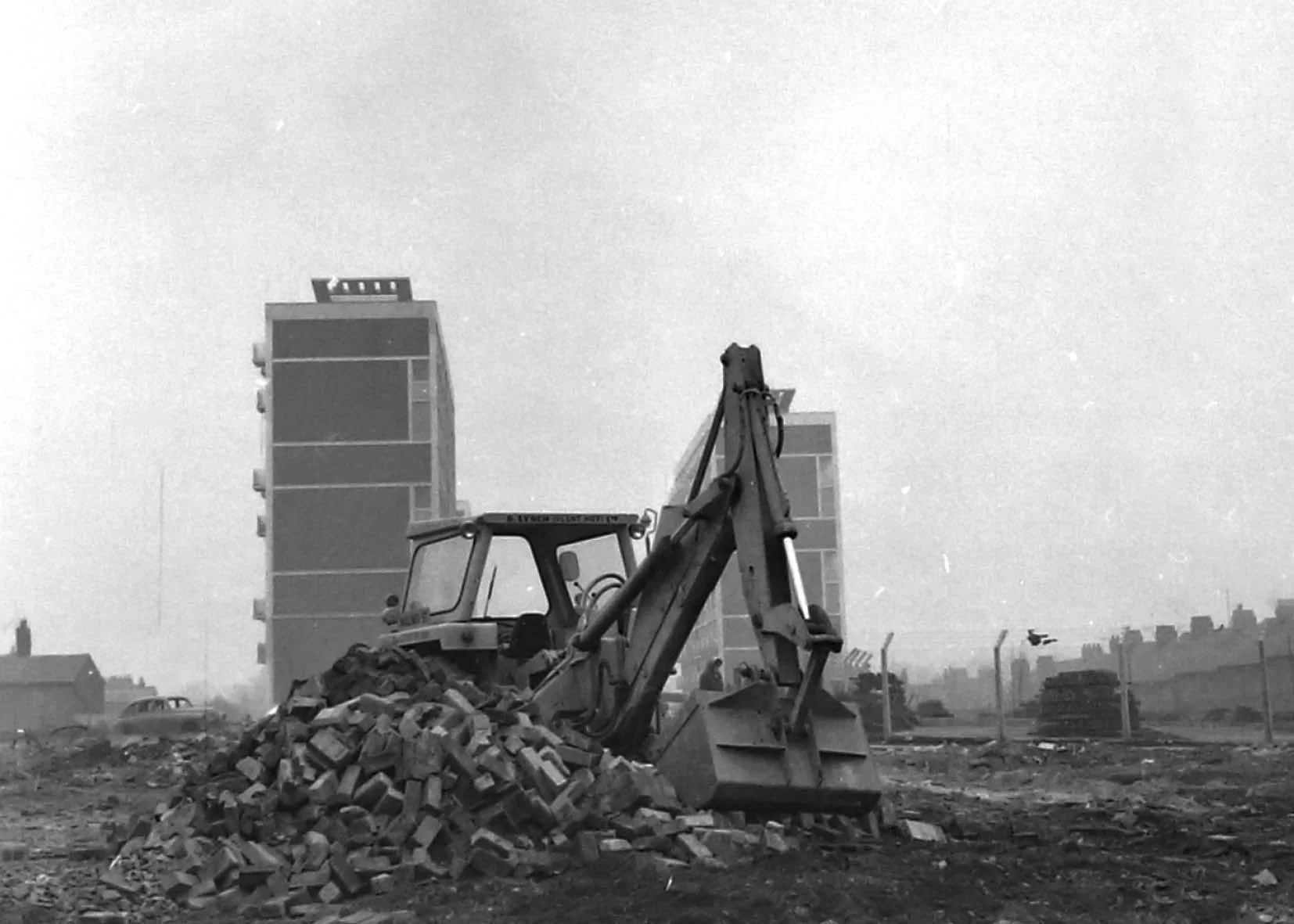
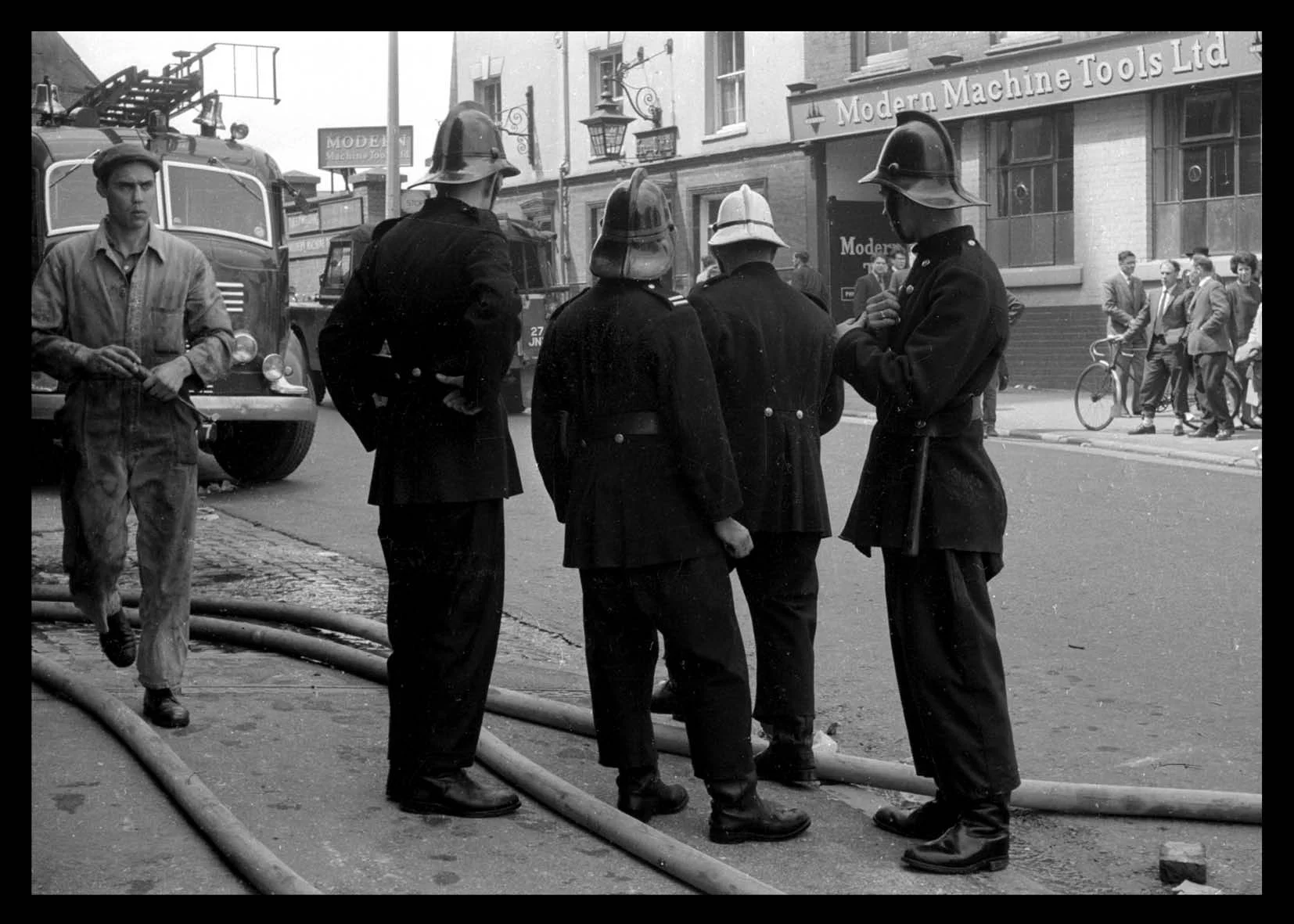
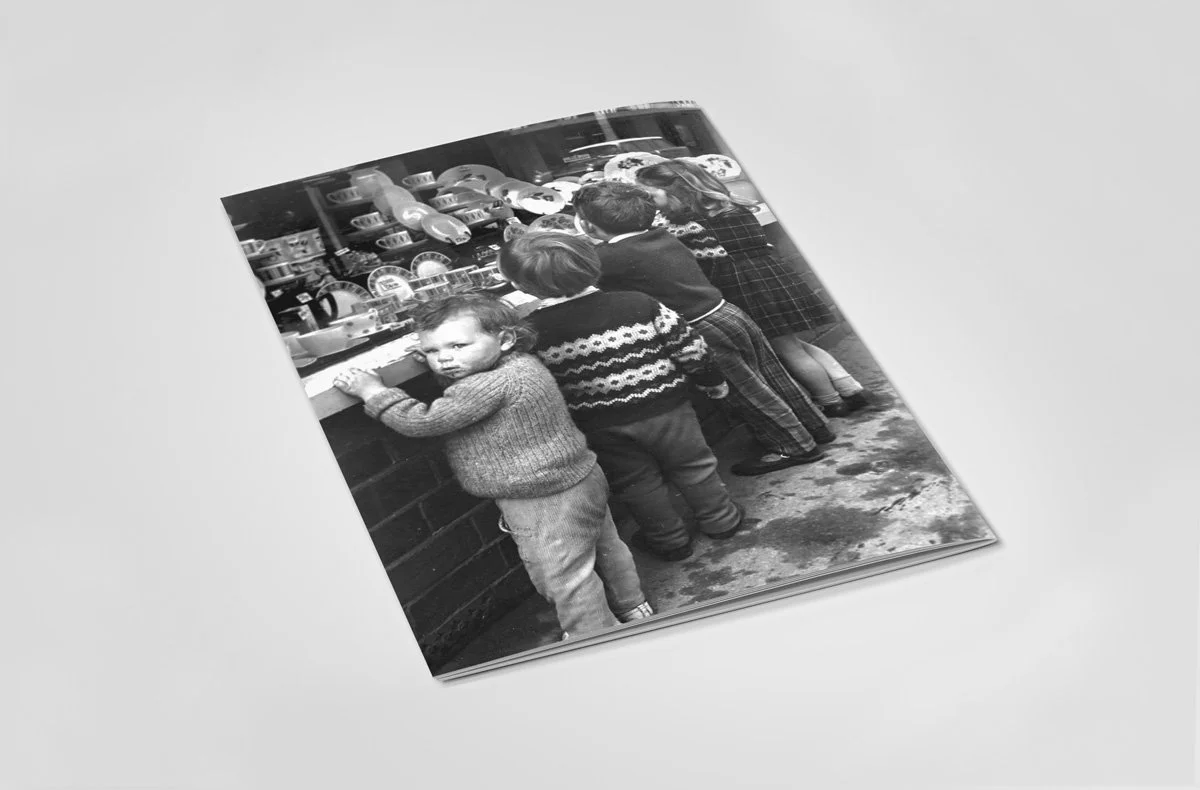
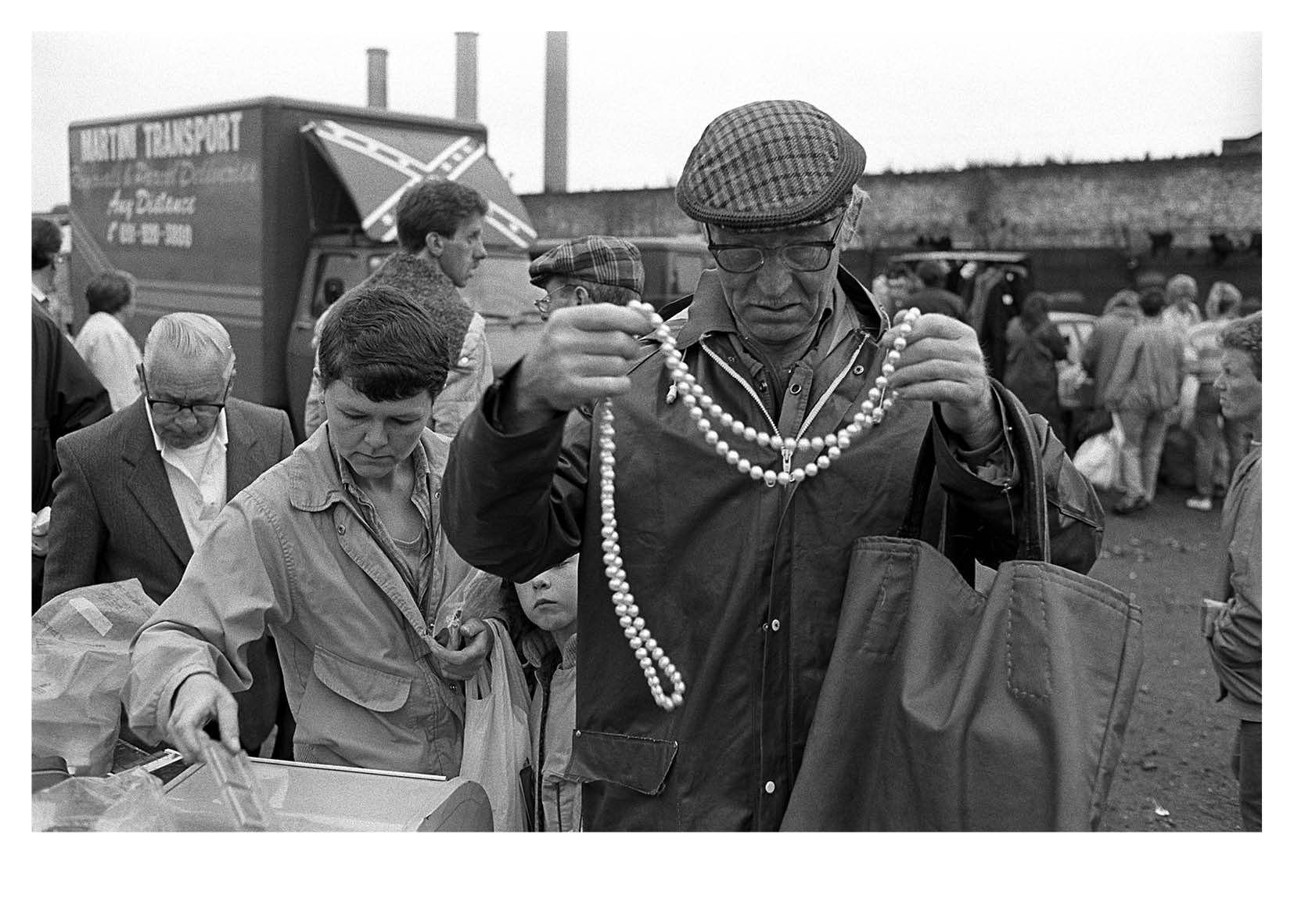
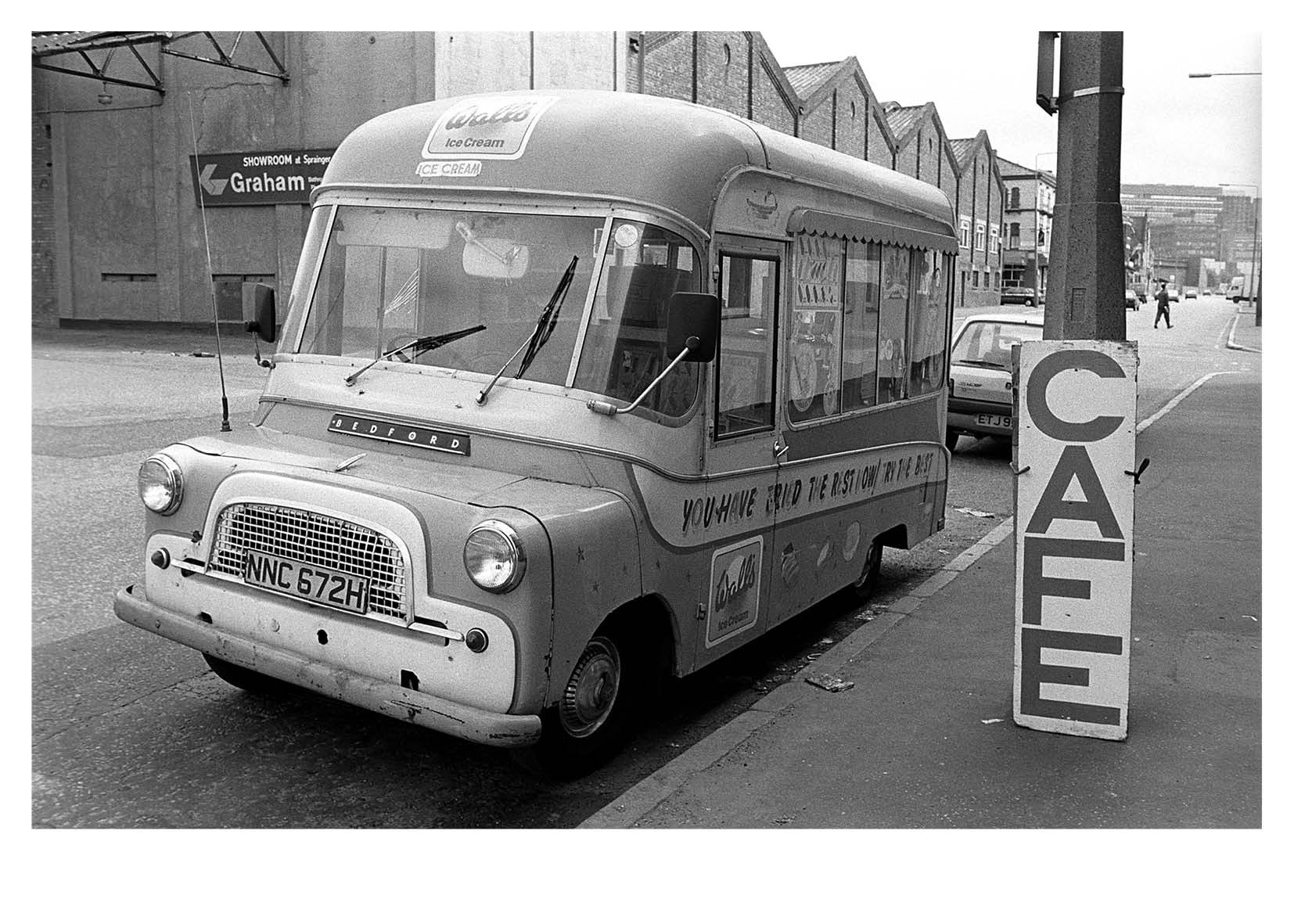
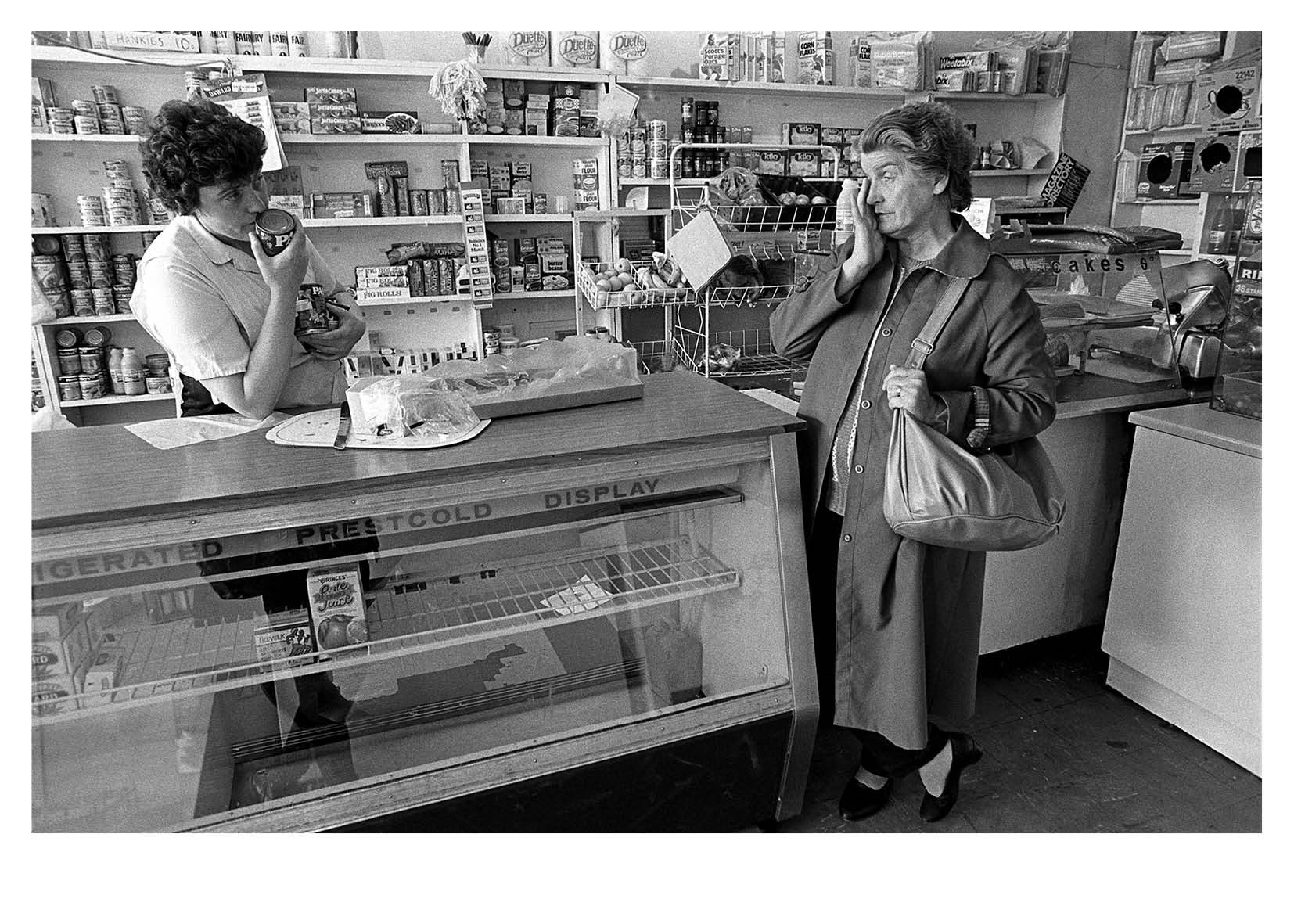
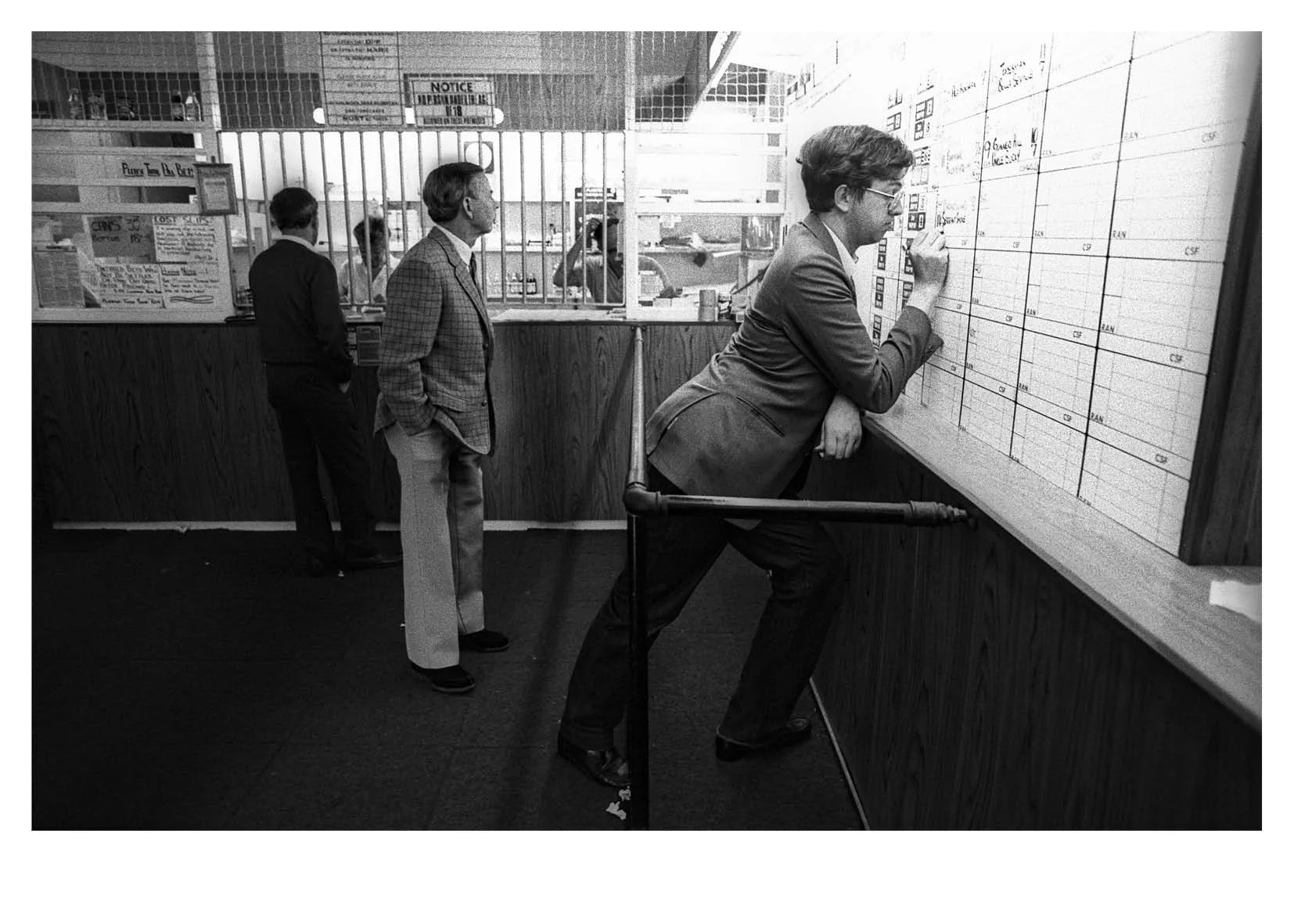
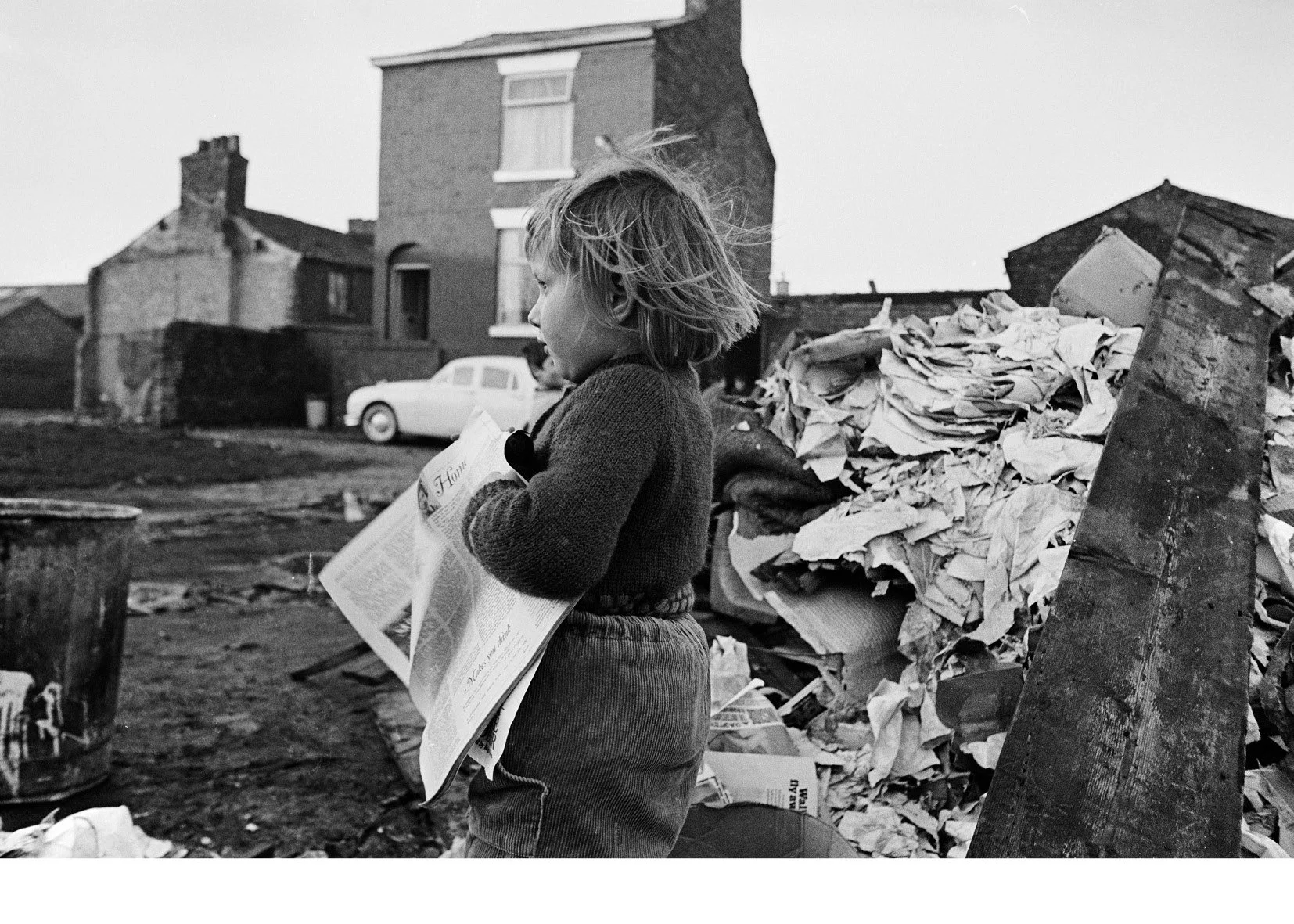
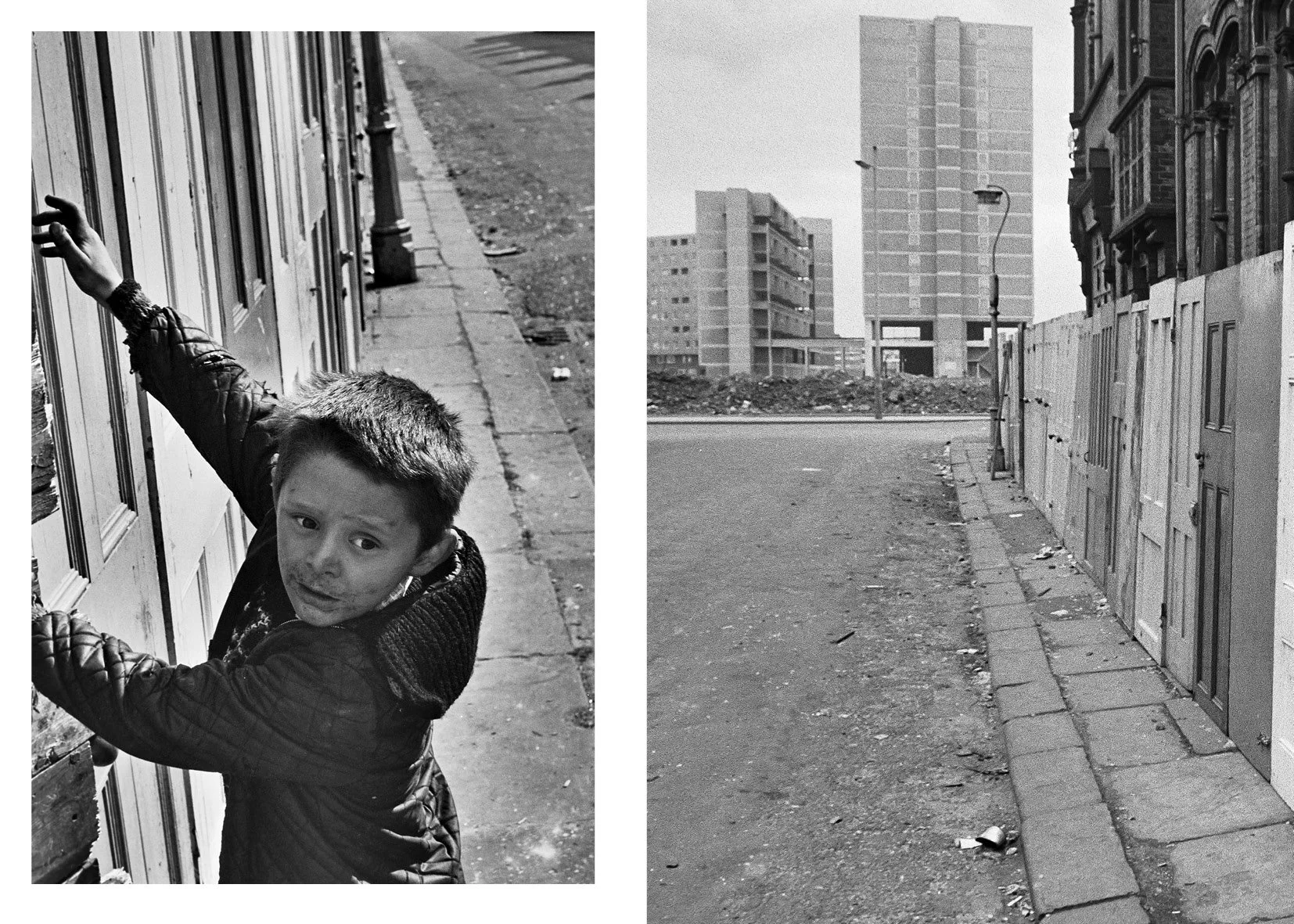
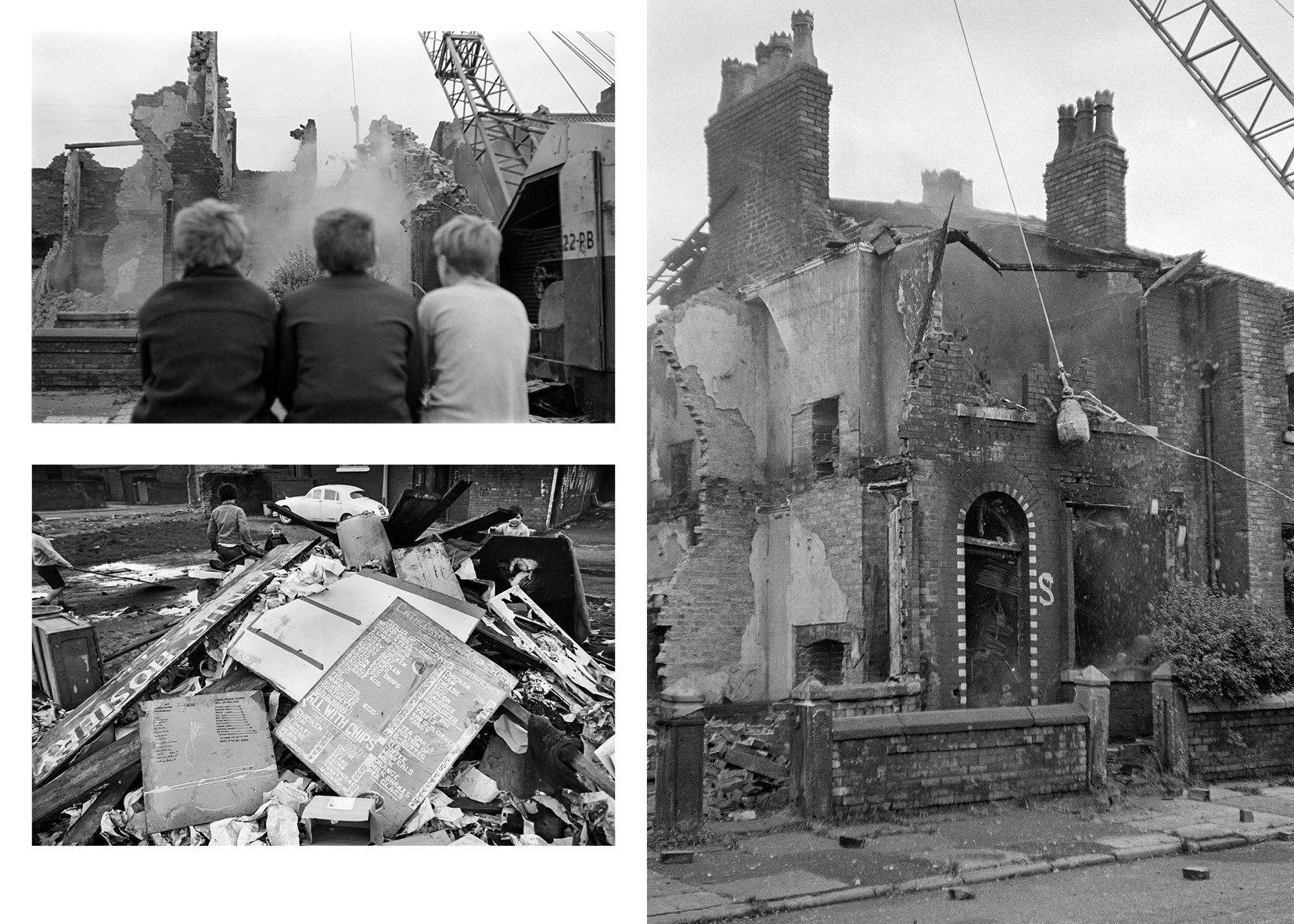
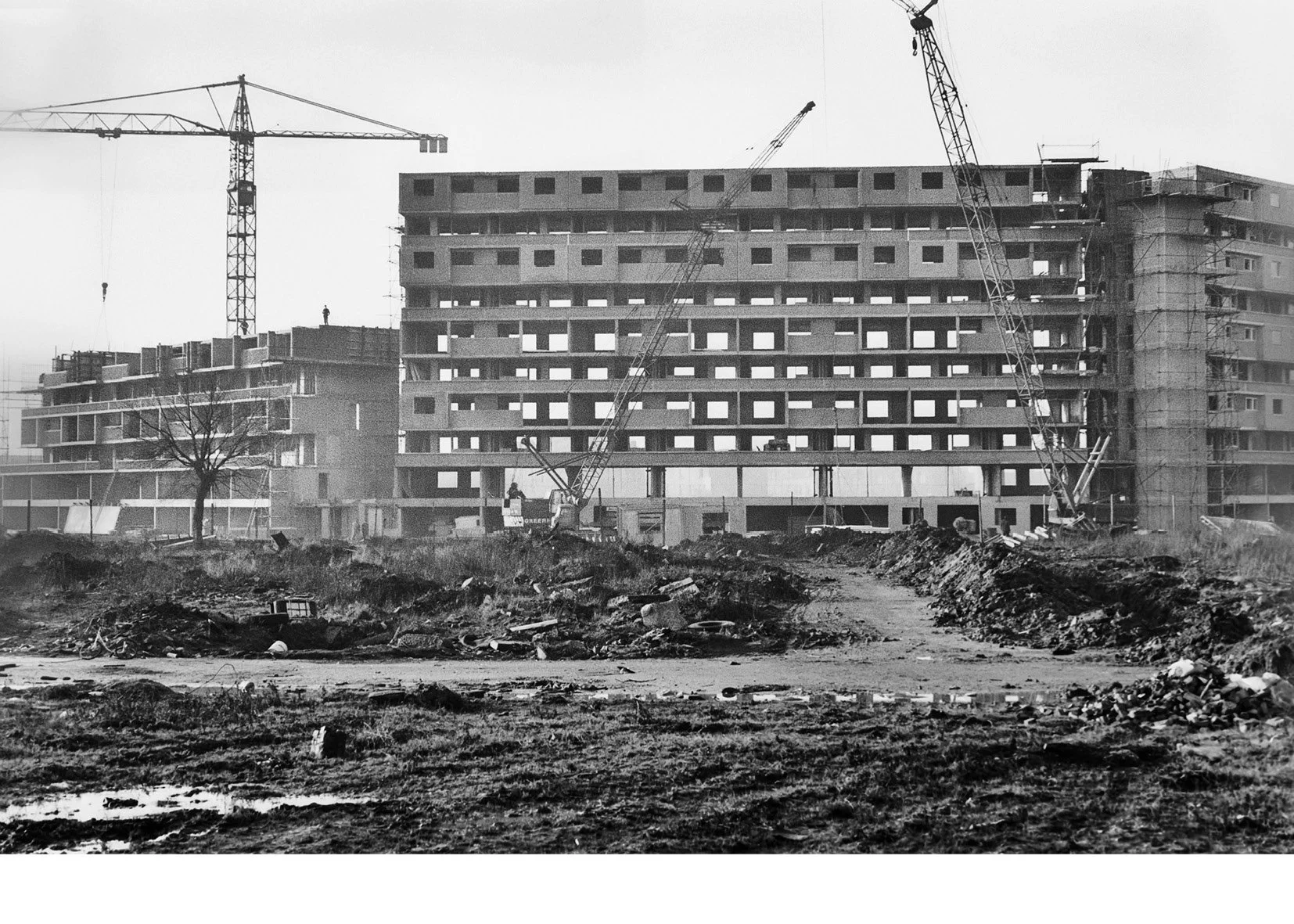
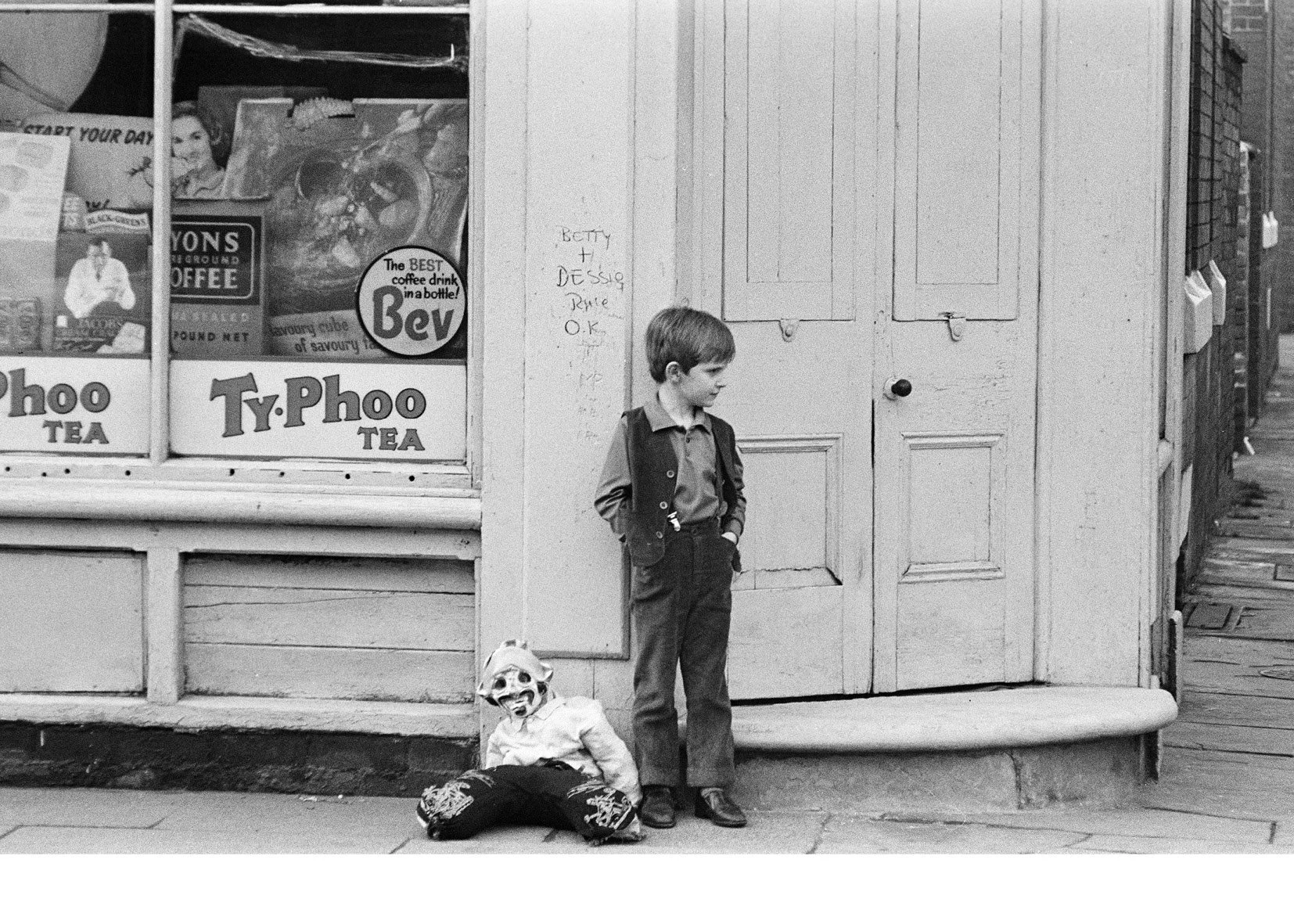
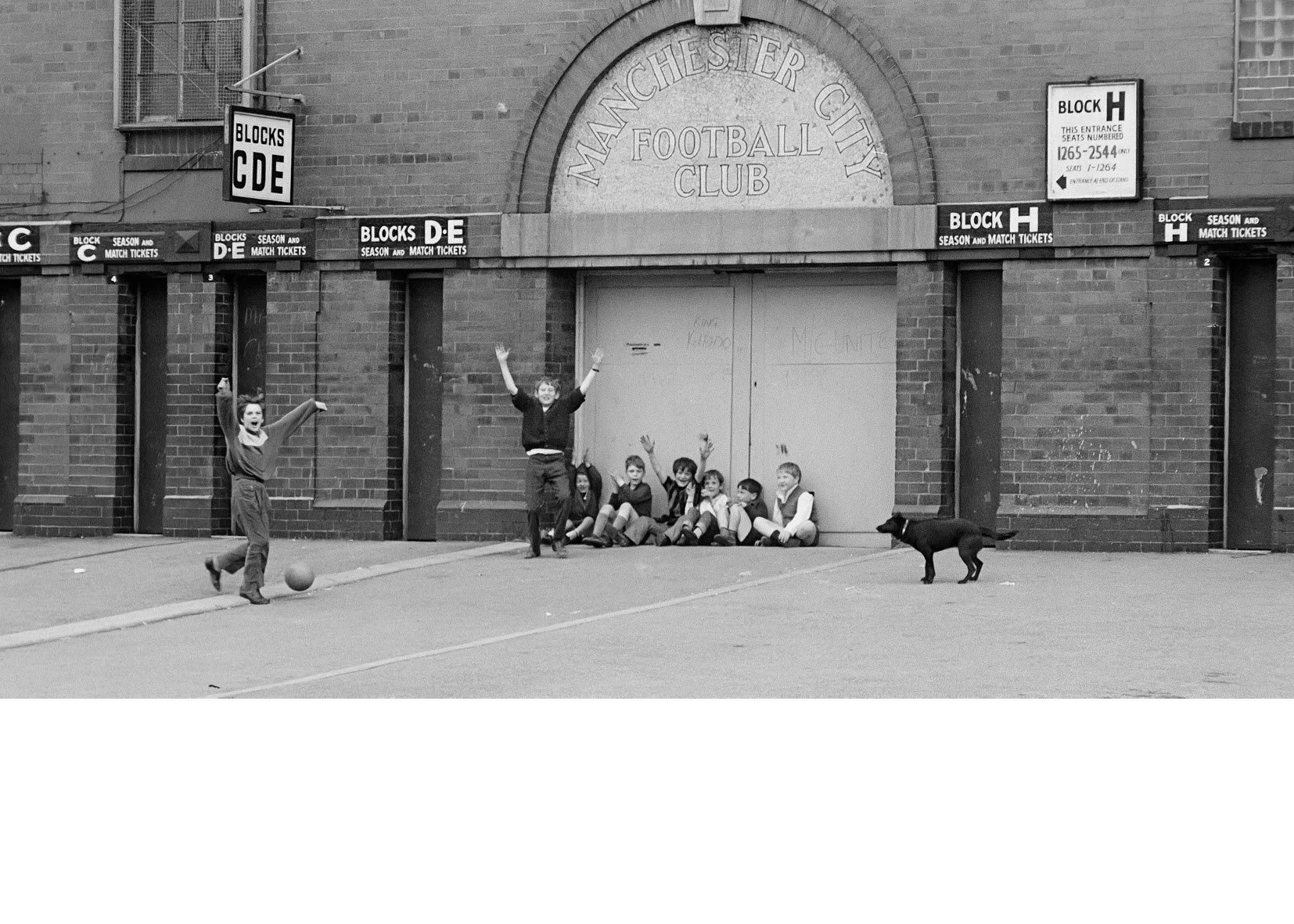
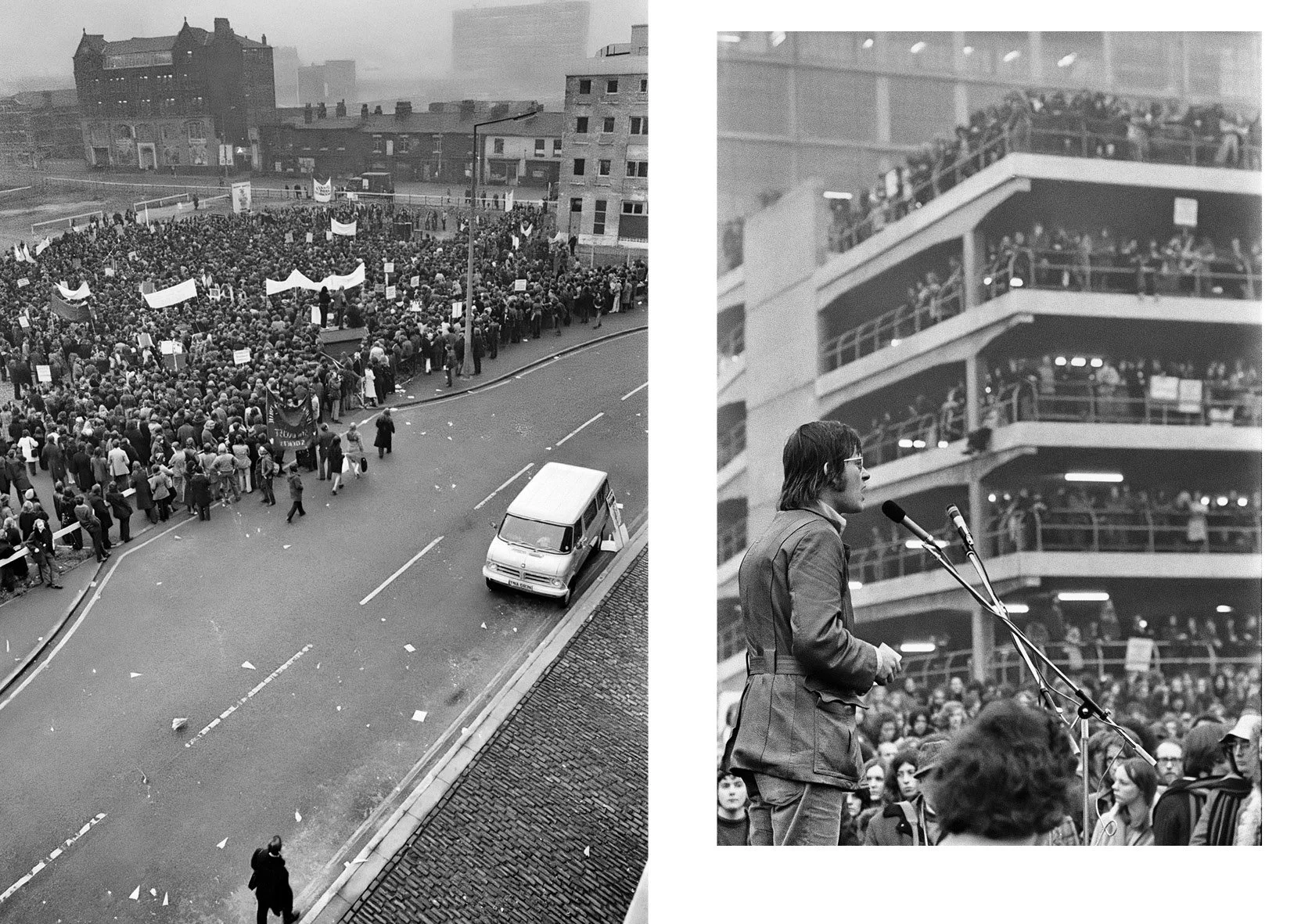
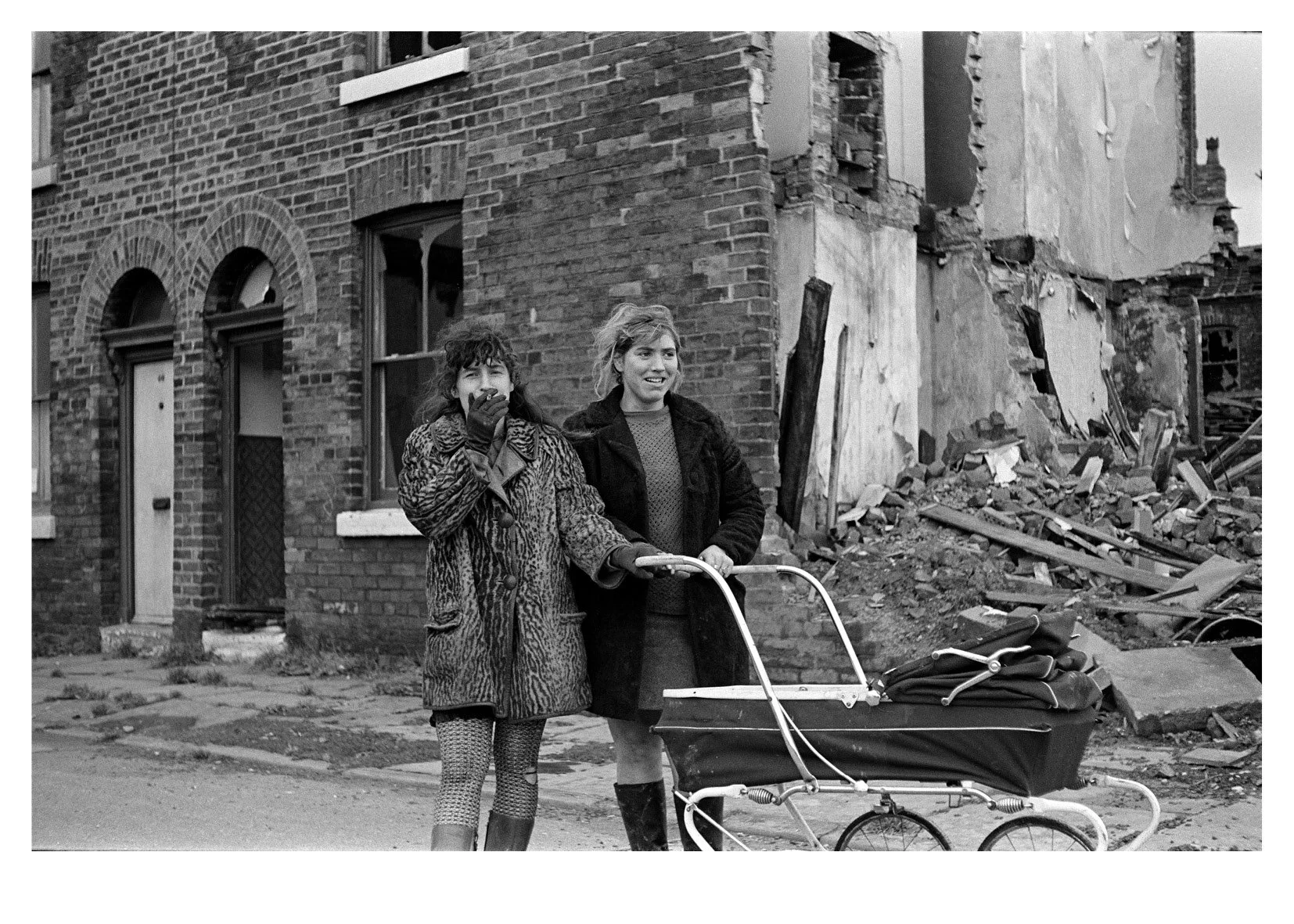
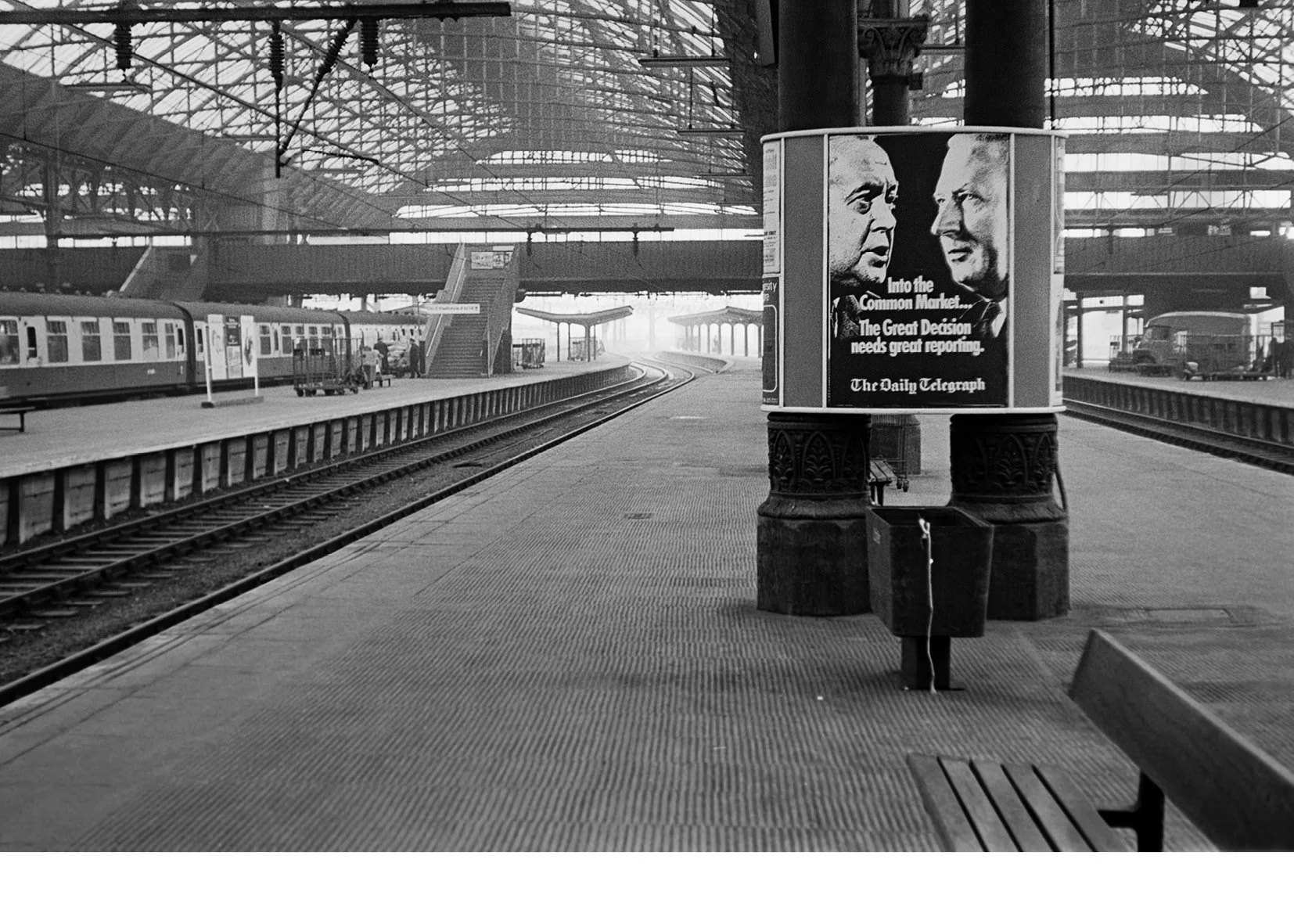
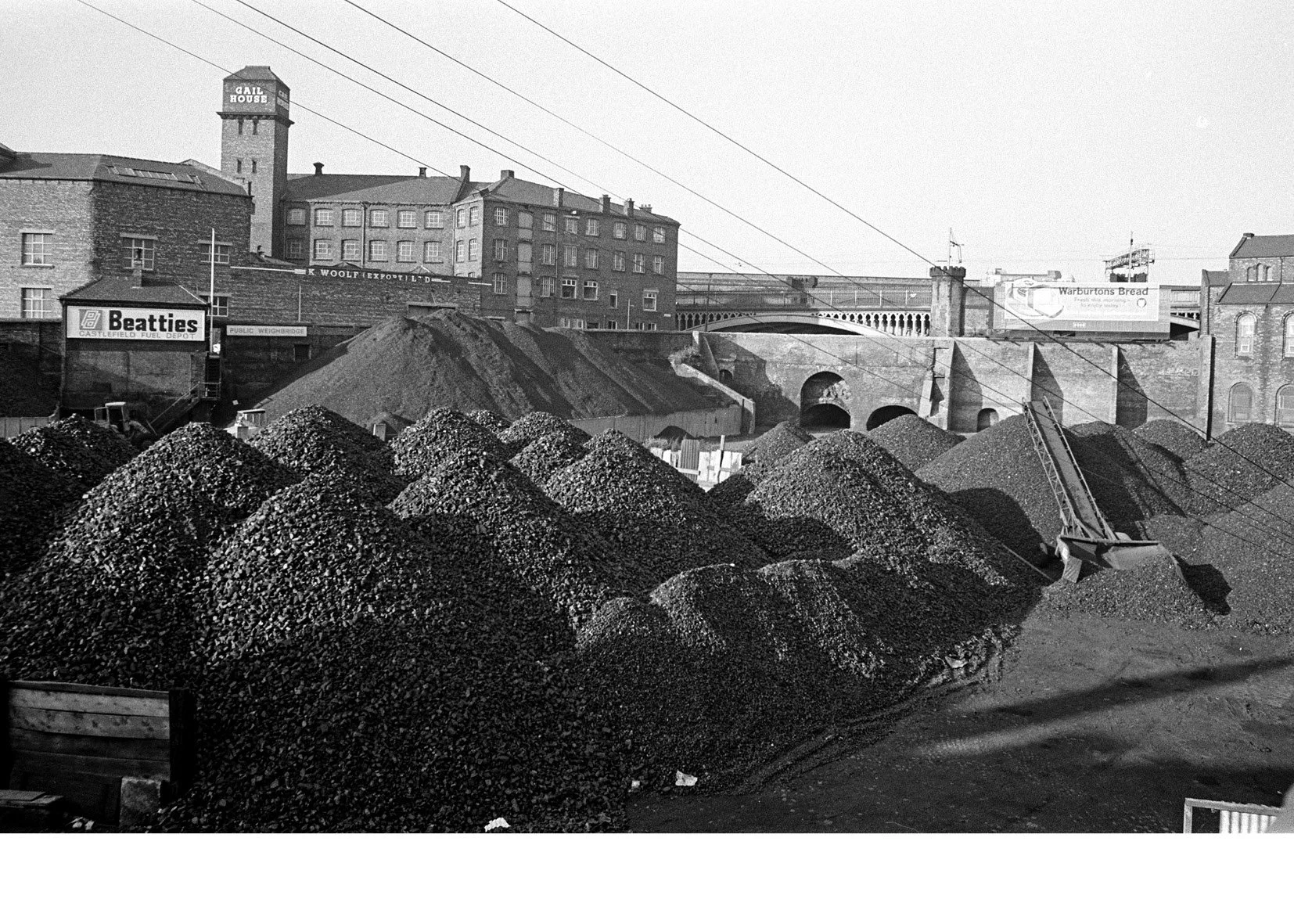
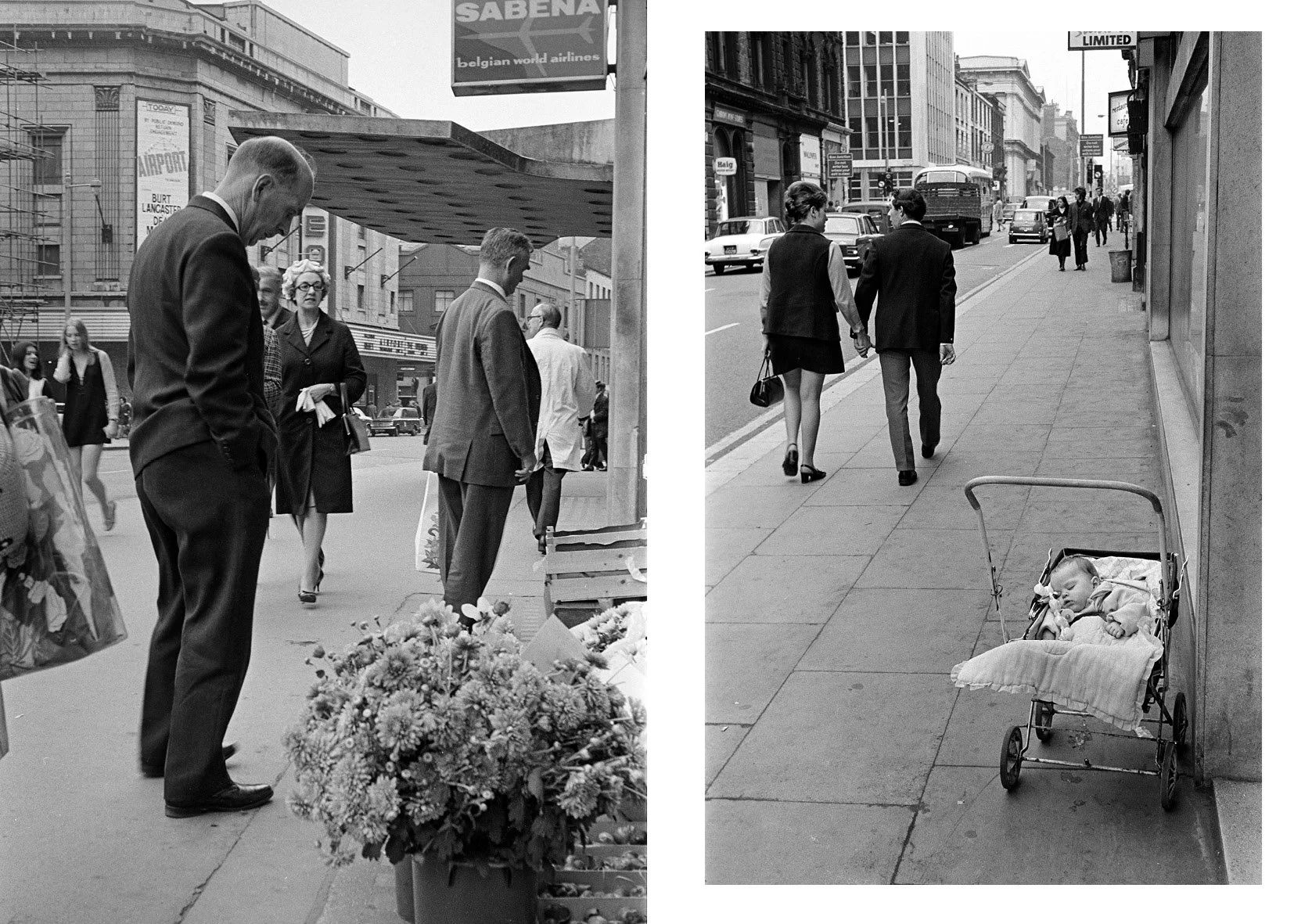
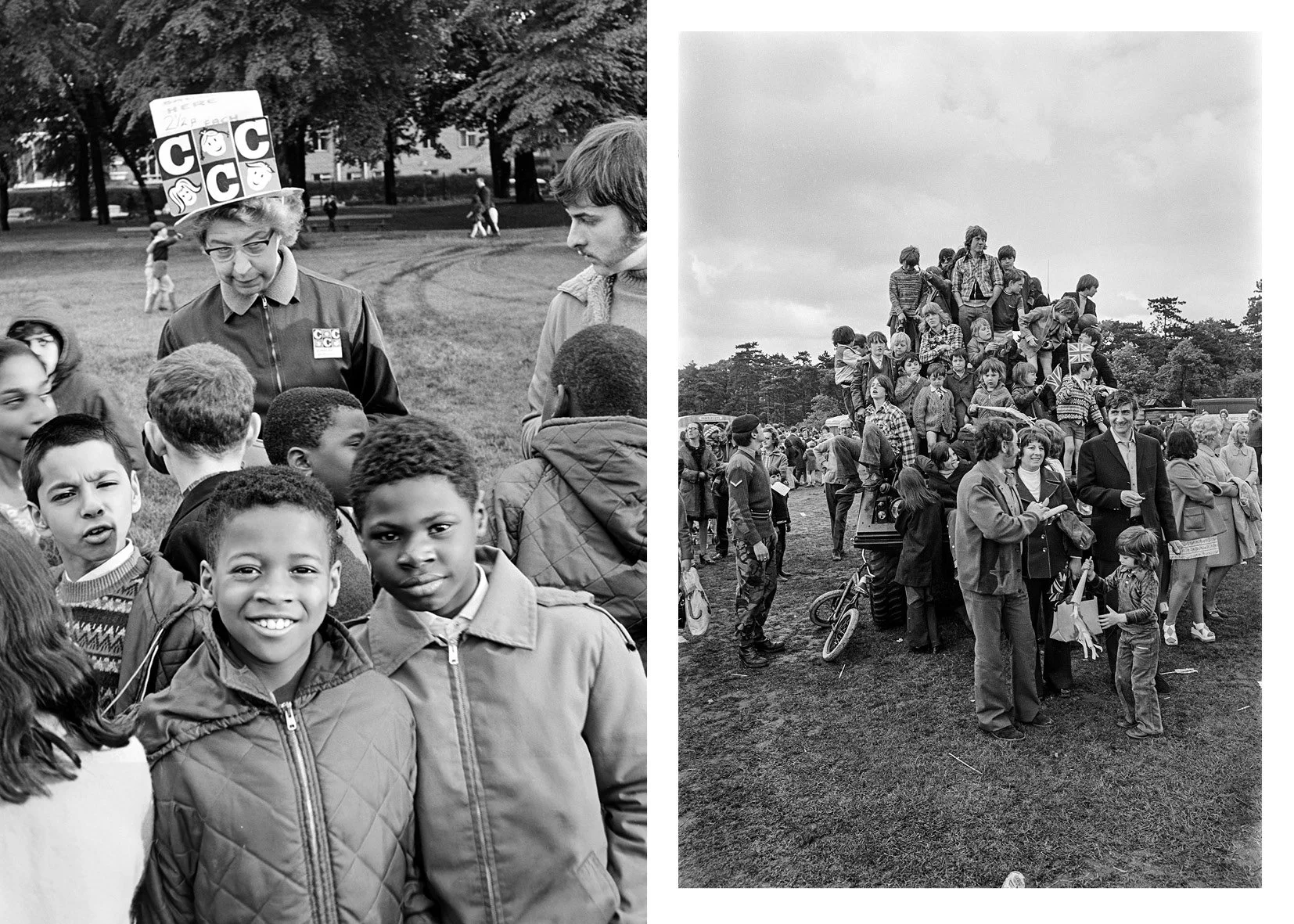
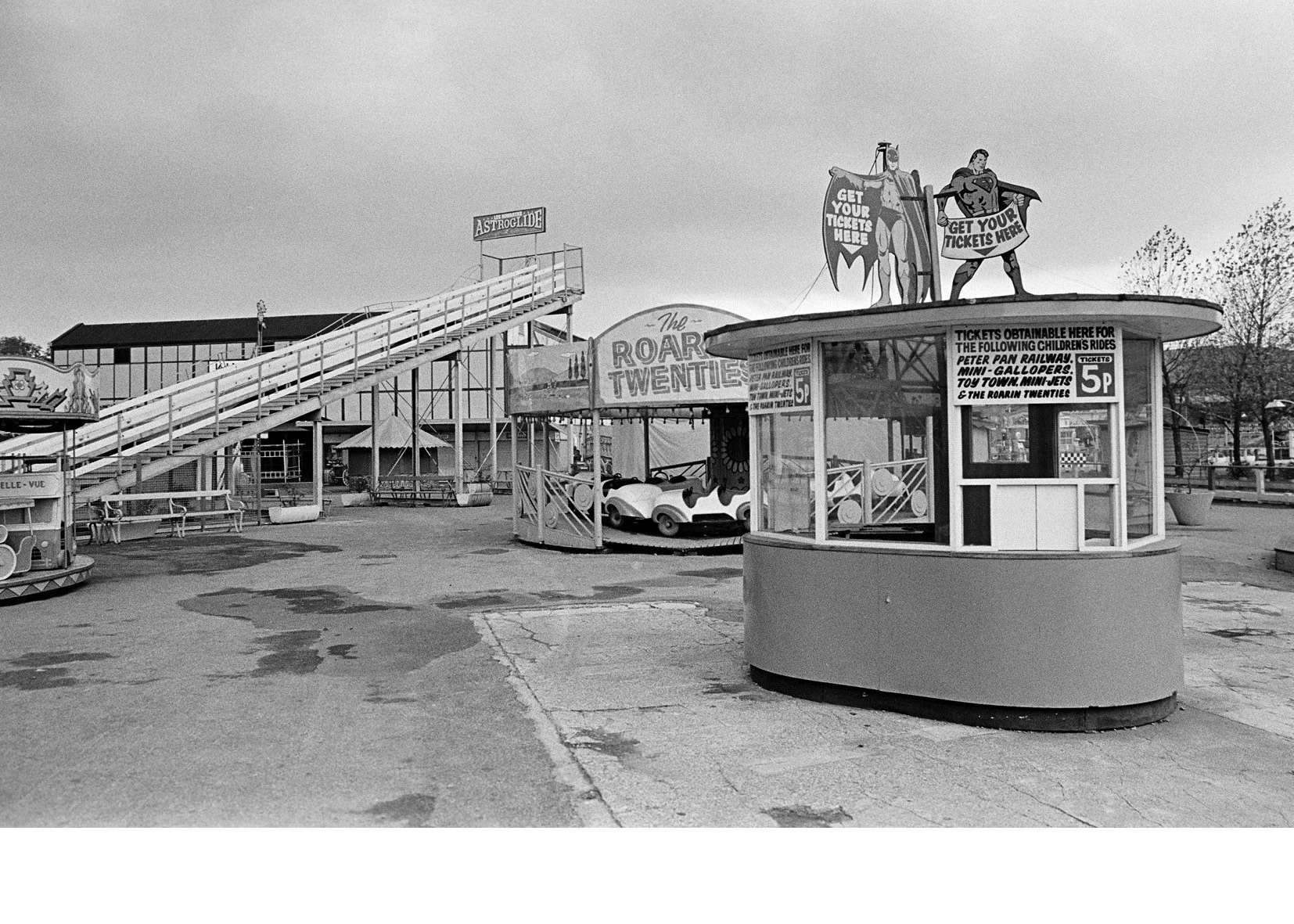
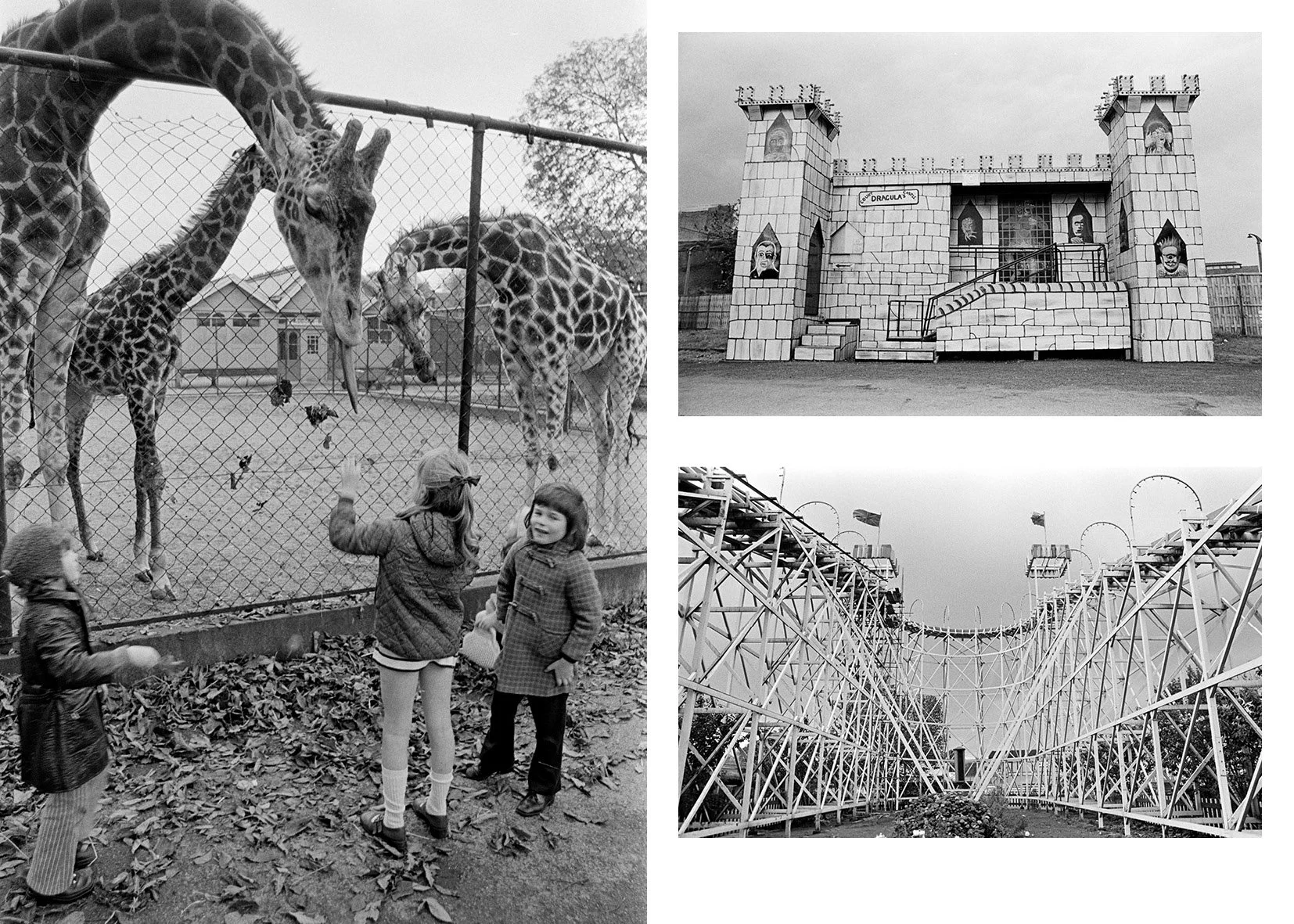
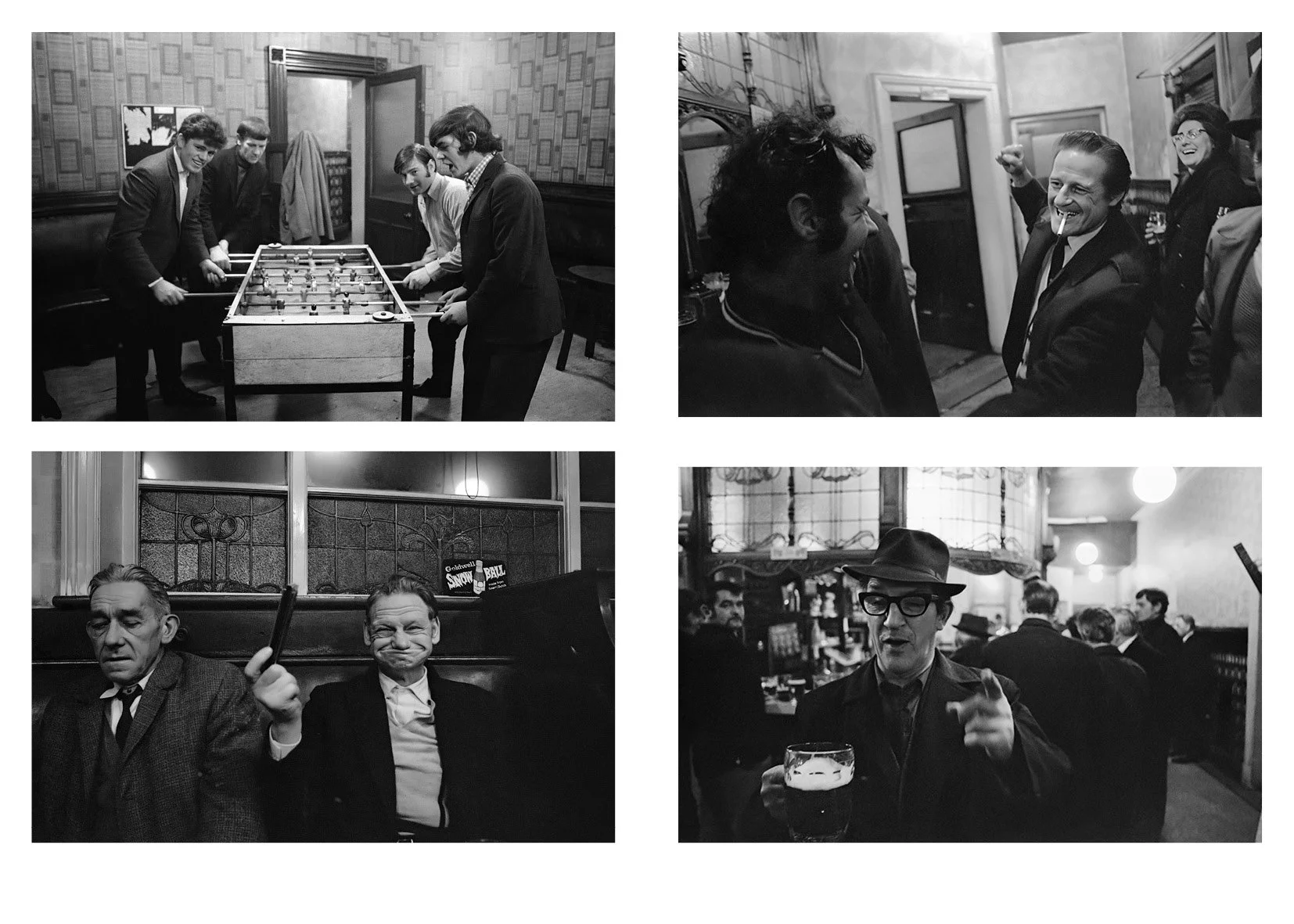
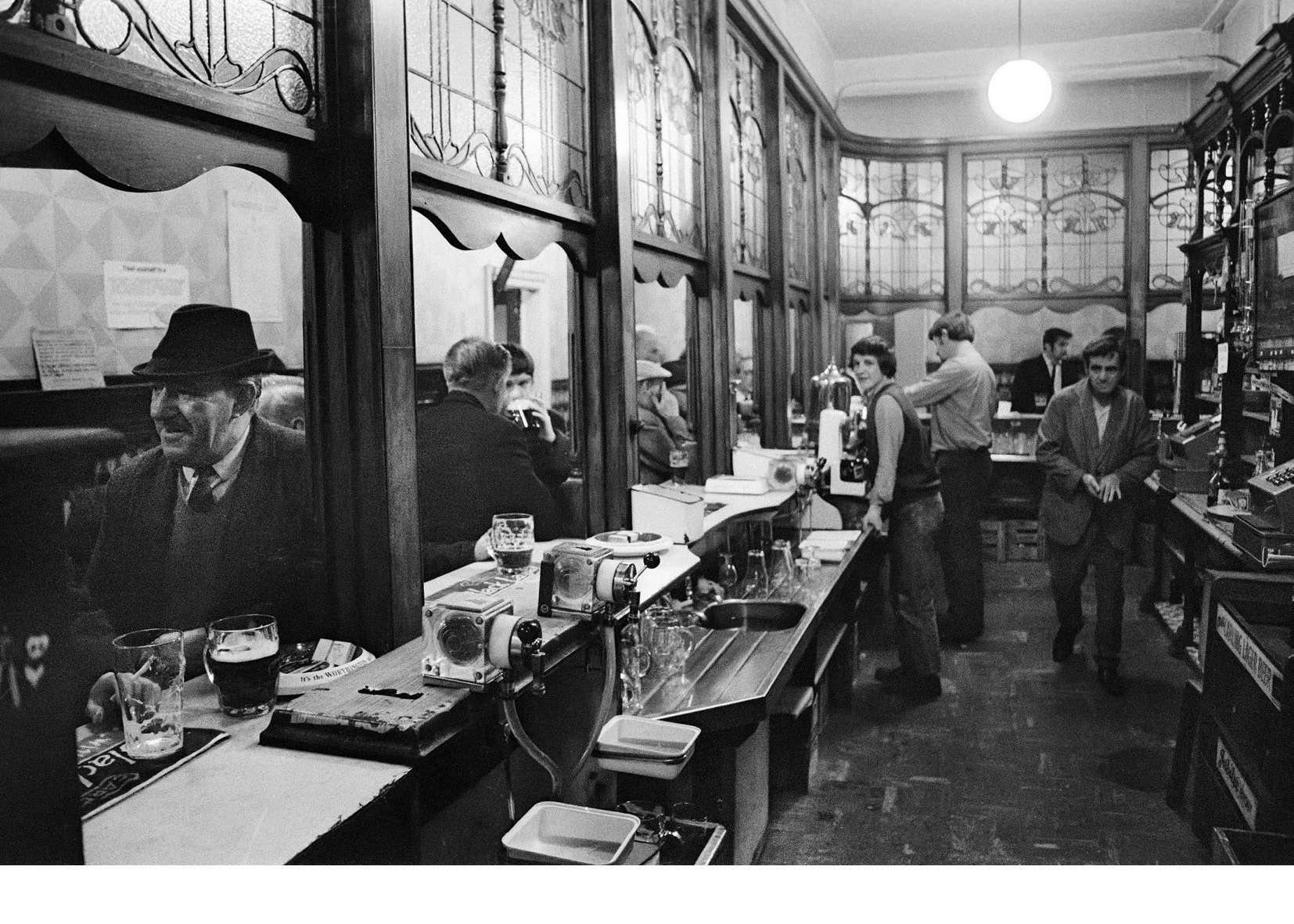
In 1963 a 17 year old homeless orphan Elizabeth Tyler from Leamington walked around the streets and old bomb sites of Coventry. She had just bought a Rolleicord camera from 1933 for her first wages from an evening job as a waitress. She was enrolled as a student at the Coventry College of Art and spent every morning looking for interesting subjects to photograph. In the afternoons she could develop the films in the college’s darkroom.
Her ambition was to become a professional photographer. All these negatives were stored in a box which she carried with her when she left England in 1965. She never became the professional photographer she wanted to be but an artist, exhibiting her paintings all over the world. She rediscovered the box in her attic in Sweden at the age of 80 and digitised the negatives in order to make them available to the general public.
36 pages
printed in England
staple bound
14cm x 20cm
In 1963 a 17 year old homeless orphan Elizabeth Tyler from Leamington walked around the streets and old bomb sites of Coventry. She had just bought a Rolleicord camera from 1933 for her first wages from an evening job as a waitress. She was enrolled as a student at the Coventry College of Art and spent every morning looking for interesting subjects to photograph. In the afternoons she could develop the films in the college’s darkroom.
Her ambition was to become a professional photographer. All these negatives were stored in a box which she carried with her when she left England in 1965. She never became the professional photographer she wanted to be but an artist, exhibiting her paintings all over the world. She rediscovered the box in her attic in Sweden at the age of 80 and digitised the negatives in order to make them available to the general public.